
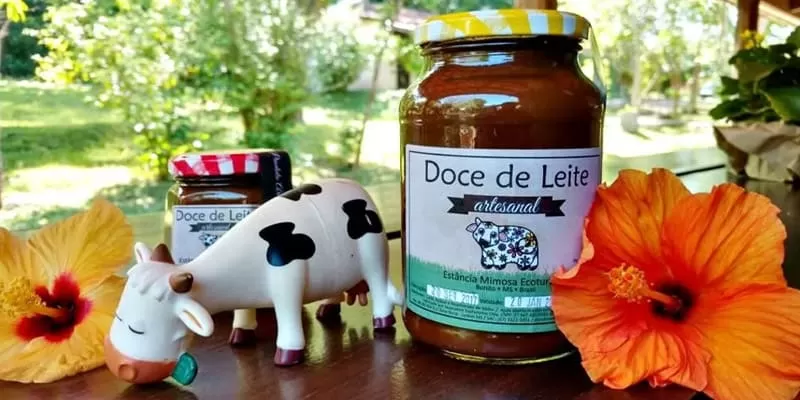
Estância Mimosa, Bonito MS: a waterfall trail at farm pace
Estância Mimosa is a farm with a trail that passes several waterfalls on the Rio Mimoso, almost all with a pool to swim in. It is the moderate-effort waterfall
A working farm that takes a few guests is a different proposition from a property built for tourism with animals on it. Both are legitimate; the booking page rarely says which one you are getting.
Rural tourism in Brazil covers a wide range: coffee estates in the south-east, cattle ranches in the centre-west, small family properties that sell what they grow and open the kitchen to visitors, and colonial-era farms that now receive guests.
Season matters here more than almost anywhere except wildlife. Harvest is the reason to visit a coffee estate and it happens once a year over a few weeks — outside it, you are looking at plants.
Working properties that receive visitors, and what the visit is:
Ask whether the property is working or built for visitors — not because one is better, but because they are different days and you should know which you booked. Then check the season: outside harvest, several of these are quiet in a way that is either the point or a disappointment.
Rural tourism is the only category where the season does not merely change your comfort: it changes what there is to see. The coffee harvest in the south-east happens once a year and lasts a few weeks — outside it the plantation is idle and the visit becomes about processing and the history of the property. The grape harvest in the south follows the same logic, concentrated in summer.
In the Pantanal, water is what governs. In flood the ranch works around cattle on higher ground and movement is often by boat; in the dry season the country opens up, the tracks work and the routine is different. In both cases the visitor sees a working property, and the work is not the same.
On small family holdings the season decides what is being harvested and therefore what will be on the table and for sale. That is the reason to ask in advance rather than find out on arrival.
On a working property the food is not an added service: it is the product, served where it was produced. What usually appears:
Estância Mimosa is a farm with a trail that passes several waterfalls on the Rio Mimoso, almost all with a pool to swim in. It is the moderate-effort waterfall
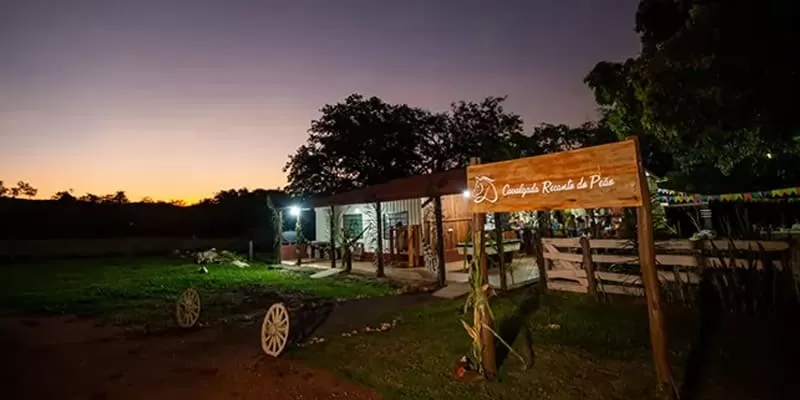
The ride at Recanto do Peão crosses the fields and woods of the property at walking pace, with a guide and horses used to beginners. It is the quietest outing i