
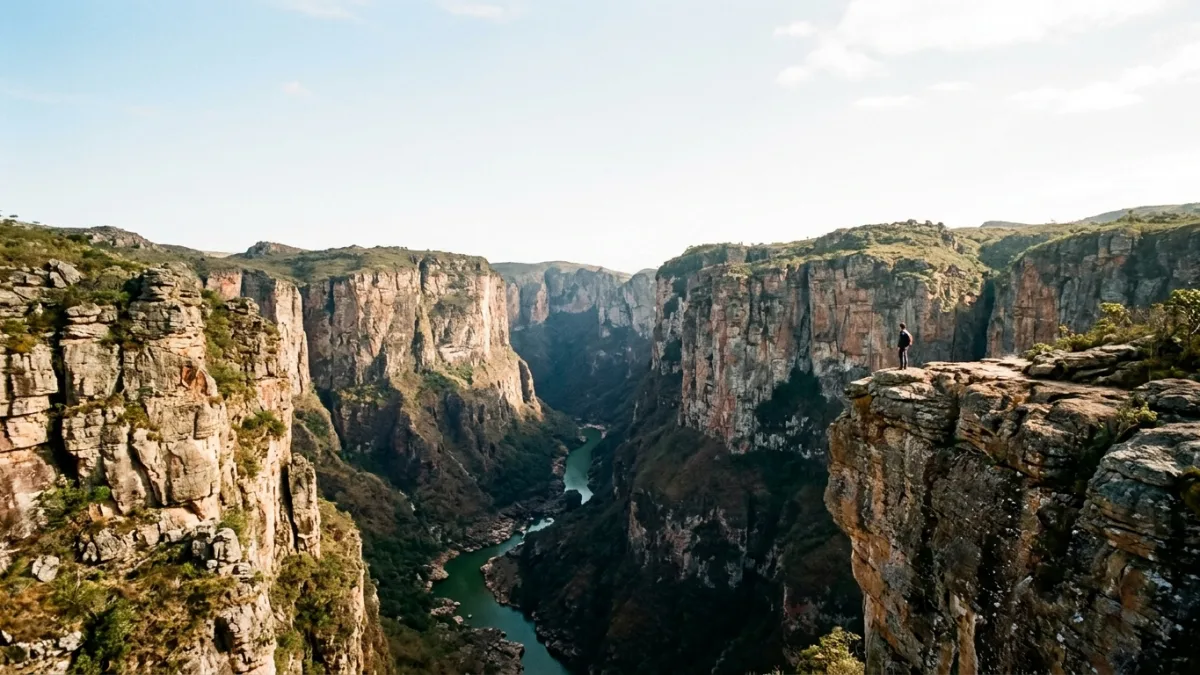
Adventure travel in Brazil: where the terrain allows it
Adventure activities in Brazil follow the terrain rather than the map. Rafting needs gradient, abseiling needs a wall, caving needs limestone — and the rainy se
Most itineraries are built around place names. Building one around activities works better in a country this size, because each kind of experience has its own geography and its own season — and some of them cannot be combined in the same month.
Choosing by place name leads to itineraries that look good on a map and fail on the ground: three famous destinations that turn out to be a flight apart, in a month that suits only one of them.
Choosing by activity works the other way round. Decide that you want clear water and wildlife, and the map narrows to two regions that happen to sit next to each other and share a season. Decide that you want coast and culture, and it narrows to a different pair.
Some combinations pull in opposite directions, and knowing which ones saves a ruined week. Clear water wants a dry month; full waterfalls want a wet one. Wildlife in the floodplain is easiest to see when the water has receded; the same floodplain is most spectacular when it is flooded.
Rather than trying to win both, it is better to pick the one that matters most to you and treat the other as a bonus if the weather cooperates.
Alternate demanding days with light ones. A full-day trail followed by another full-day trail produces a tired group by the third day, and tired groups enjoy less. Alternating a trail with a river beach, or a cave with a rest day, keeps the trip standing.
Put the activities with daily quotas early in each region, so that a weather cancellation can still be rebooked before you move on. And keep at least one indoor or weather-independent option per destination, because rain will eventually cancel something.
Adventure activities in Brazil follow the terrain rather than the map. Rafting needs gradient, abseiling needs a wall, caving needs limestone — and the rainy se
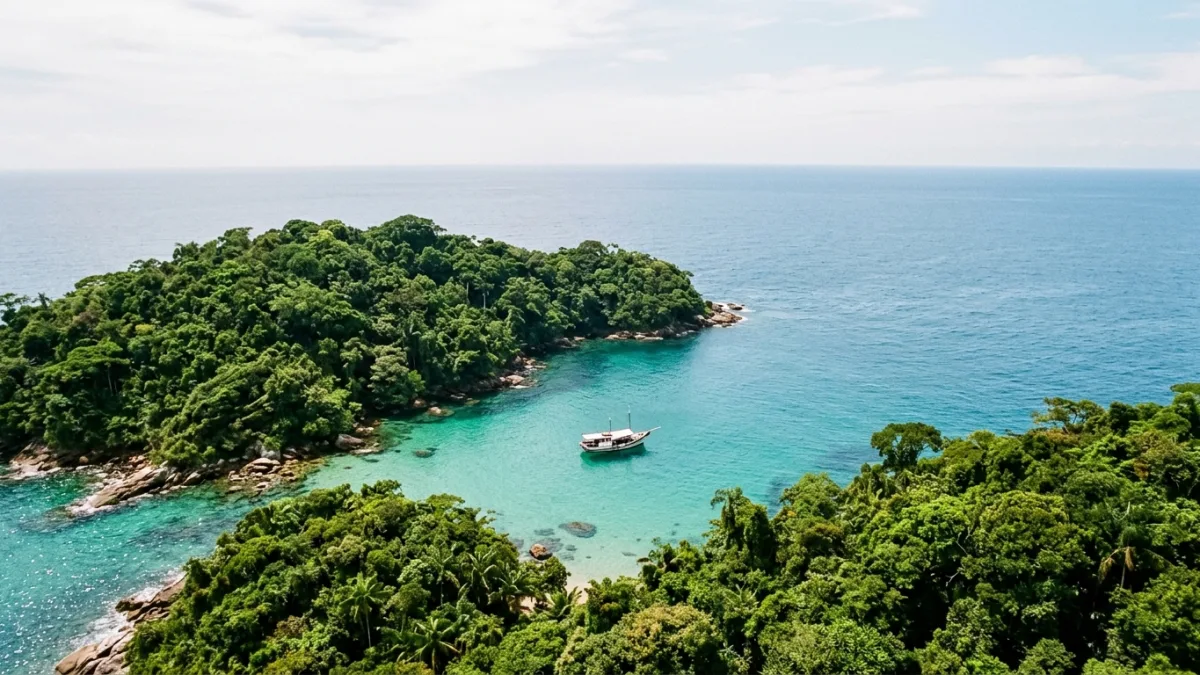
Brazil has thousands of kilometres of coast, and treating it as one destination is the commonest mistake. The sea is warm all year in one half of the country an
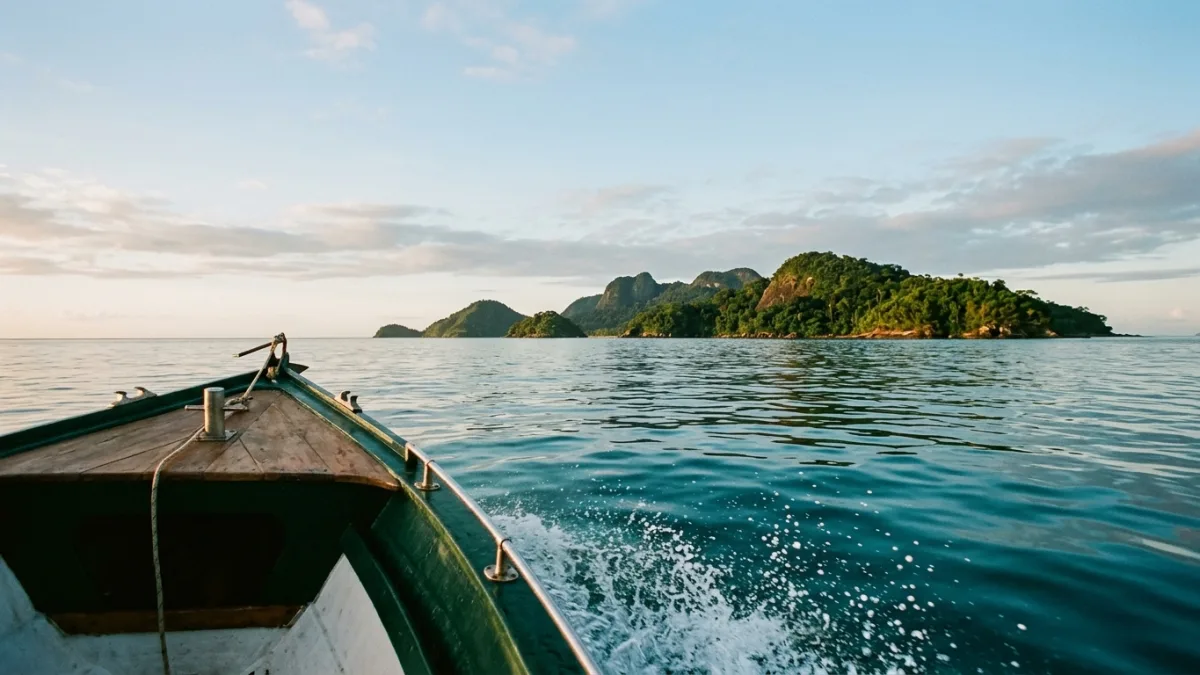
Water is the main reason most people travel in Brazil, and it comes in forms that have almost nothing in common: a schooner between islands, a drift down a spri
Culture is the only part of a Brazilian itinerary that rain never cancels, and it is also the part most travellers leave to chance. The country changes so much
There is no single Brazilian cuisine. What people eat changes with the region as sharply as the landscape does, and the most interesting food is usually the eve
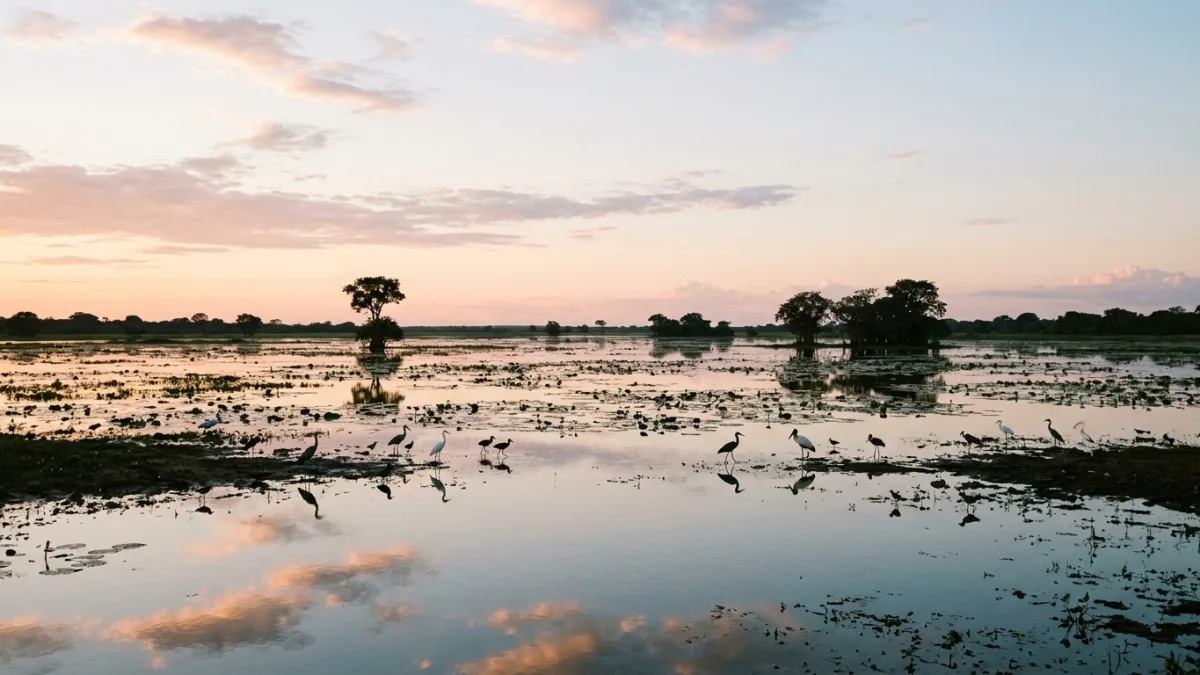
Brazil has extraordinary wildlife and it is not evenly visible. The single most useful thing a visitor can know is that the forest hides animals and the open fl
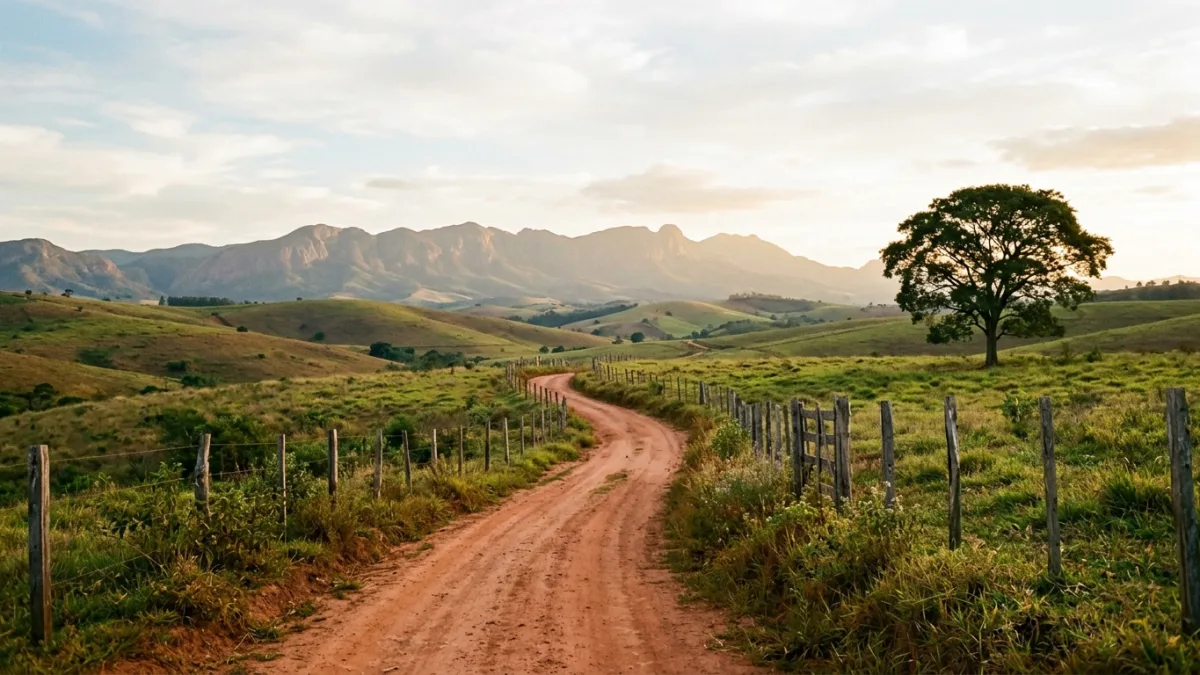
A large part of Brazilian rural tourism happens on properties that are still producing. That is the difference between a farm stay here and a themed hotel: the