
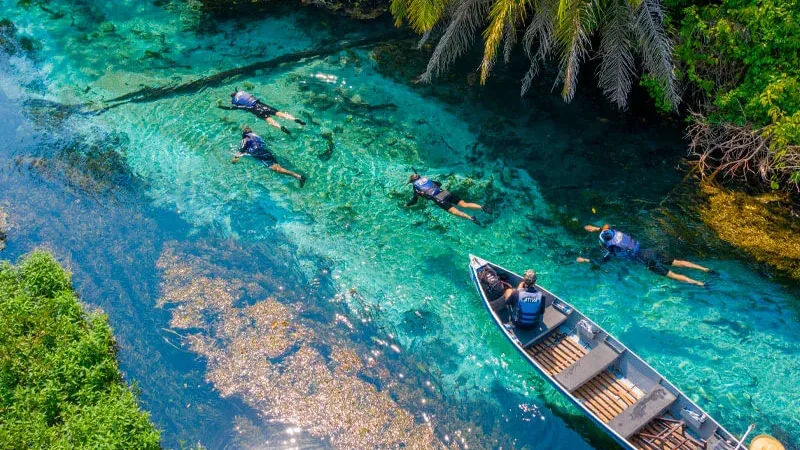
Bonito, MS travel guide
Bonito, in Mato Grosso do Sul, is the one destination in Brazil where you cannot improvise. Every attraction runs on a booking system with a daily cap, and the
Much of what people call "Bonito" actually happens in Jardim, the neighbouring municipality: the Rio da Prata, the Buraco das Araras and the Lagoa Misteriosa are all here. Knowing that changes how you build an itinerary.
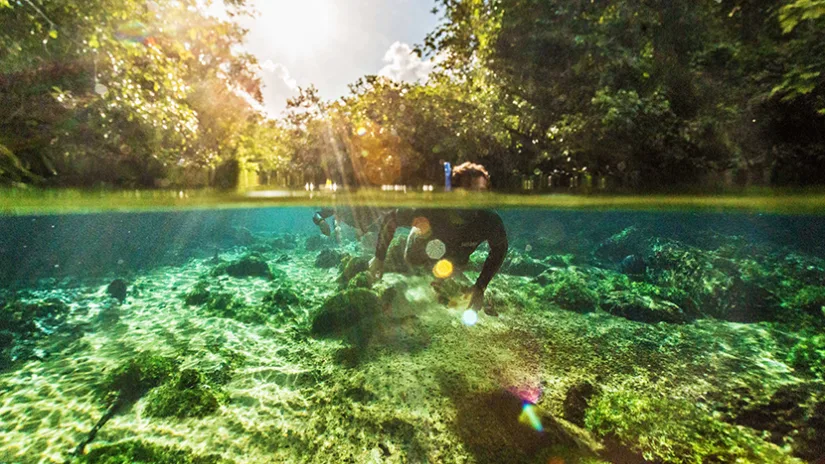
Jardim is a municipality in south-western Mato Grosso do Sul, next to Bonito, in the same Serra da Bodoquena. The confusion over names has a practical cause: the hotels and tour desks are in Bonito, but several of the most sought-after attractions are in Jardim — and visitors, who buy everything in Bonito, do not always notice they crossed the boundary.
For anyone planning, that information is gold. The Jardim attractions lie in the same direction and can be grouped into one day, saving hours of driving that would otherwise be spent going back and forth to Bonito between them.

Jardim sits on the same limestone system of the Serra da Bodoquena that supplies Bonito, and so repeats the same phenomena: clear spring-fed rivers and dolines — the ground collapses that form pits and craters.
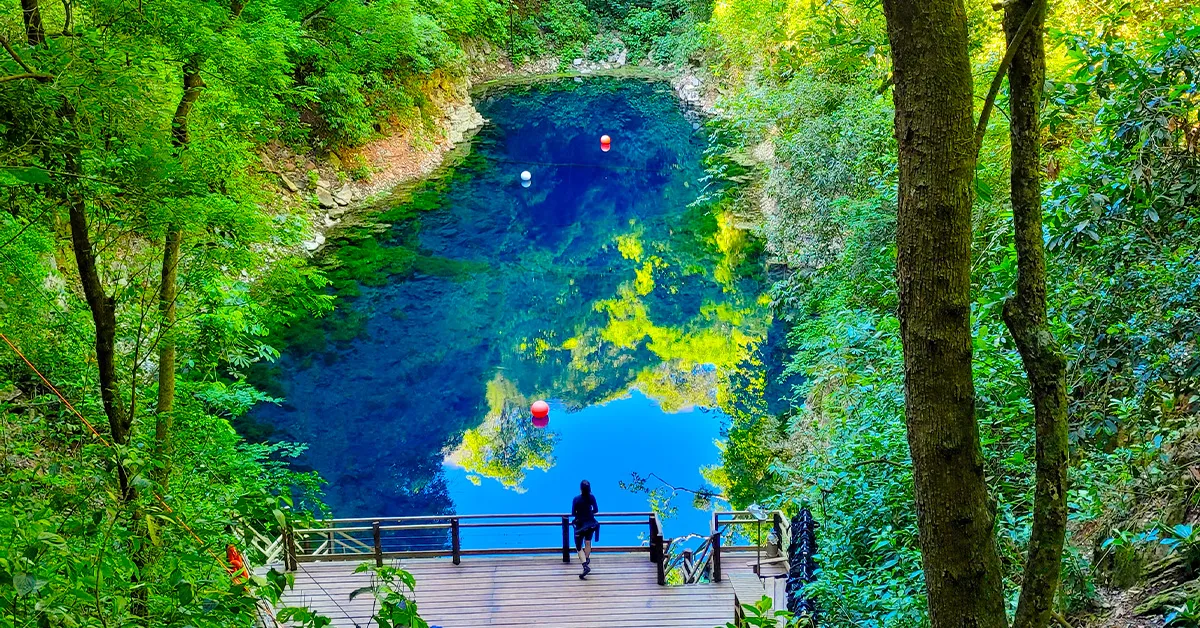
The difference is that here the dolines are spectacular. The Buraco das Araras is a dry crater with a bird colony; the Lagoa Misteriosa is a doline that filled with water and whose depth has never been fully measured. Two outcomes of the same geological process, a few kilometres apart.
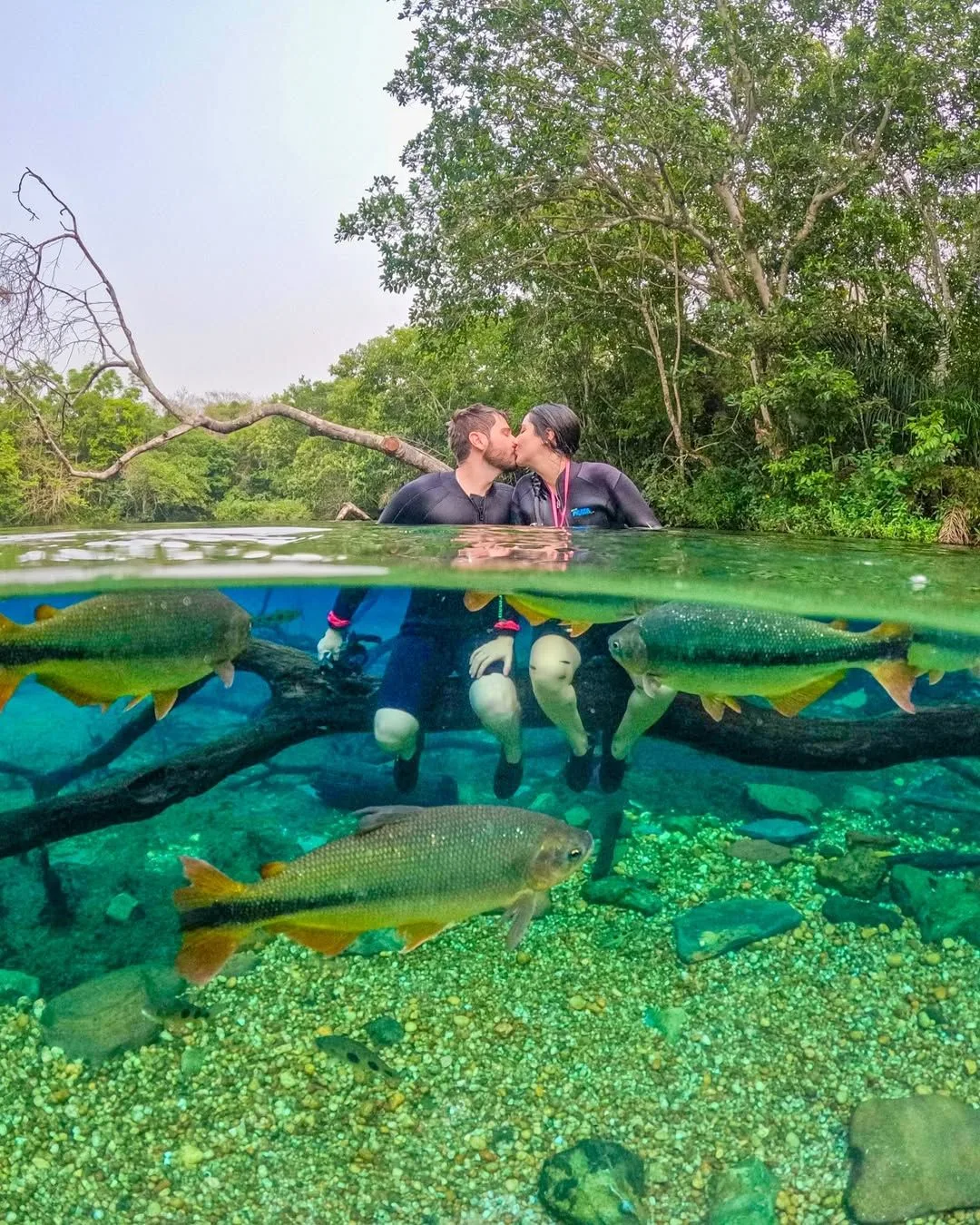
Order matters. Floats have fixed times and the water is clearest early, before many groups have entered; macaw watching is best at the start of the morning and the end of the afternoon. A well-built day usually runs: float at the first slot, lunch on the route, and the Buraco das Araras late in the afternoon when the birds return.
The classic mistake is leaving the Buraco das Araras for the middle of the day, as a quick stop between two bookings. The sinkhole is still impressive, but the macaws are in the shade and the visit delivers half of what it could.
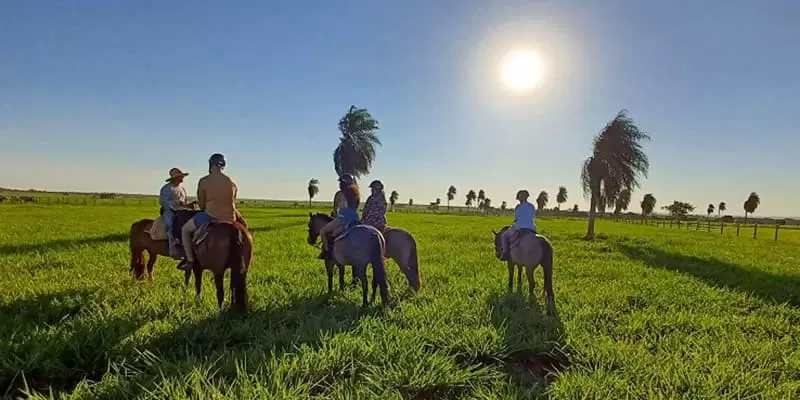
The attractions lie on rural roads, at distances ranging from a few to a few dozen kilometres from one another. Travelling between them takes longer than the map suggests, because much of it is on dirt.
So a realistic itinerary is two attractions a day with room to spare — not three. Anyone trying three usually arrives late at the last one and misses exactly the hour that mattered.

From May to September, in the dry season, the water is clearer and the dirt roads firmer — the most predictable period for floats. From December to March it rains more, the heat favours swimming and the forest is greener, with a higher risk of a cloudy river. The Buraco das Araras works all year and does not depend on rain.
Hotels, restaurants and tour desks are concentrated in Bonito, and most itineraries run from there. Jardim works well as a day trip.
The attractions are rural, on roads outside town. Without your own car, transport depends on what you arrange with the activity.
Bonito, in Mato Grosso do Sul, is the one destination in Brazil where you cannot improvise. Every attraction runs on a booking system with a daily cap, and the
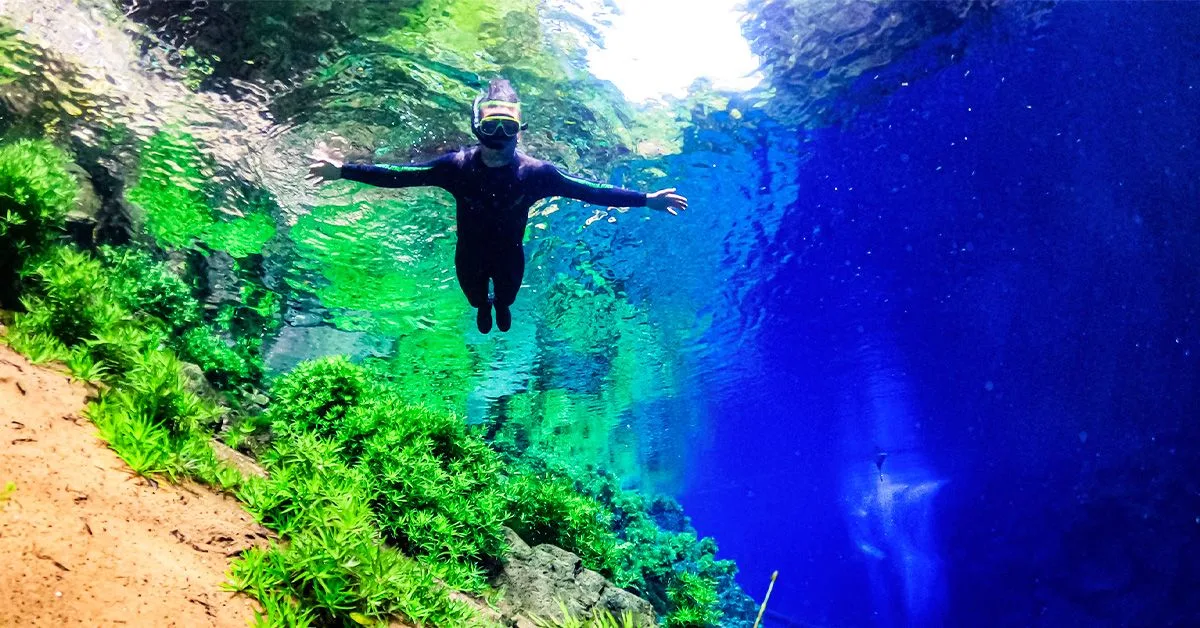
The Rio da Prata is the longest and most cinematic float in the Bonito region of Brazil. It starts with a forest trail, enters a spring-fed river and ends in a
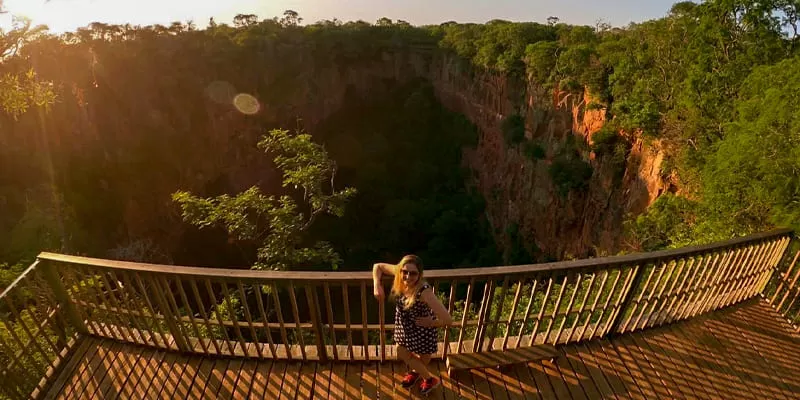
The Buraco das Araras is a vast sinkhole in the municipality of Jardim, on the road to the Rio da Prata, inhabited by red-and-green macaws. The visit is a short

The Lagoa Misteriosa is a flooded sinkhole in the municipality of Jardim whose depth has never been fully measured. It takes snorkellers, a zipline and certifie