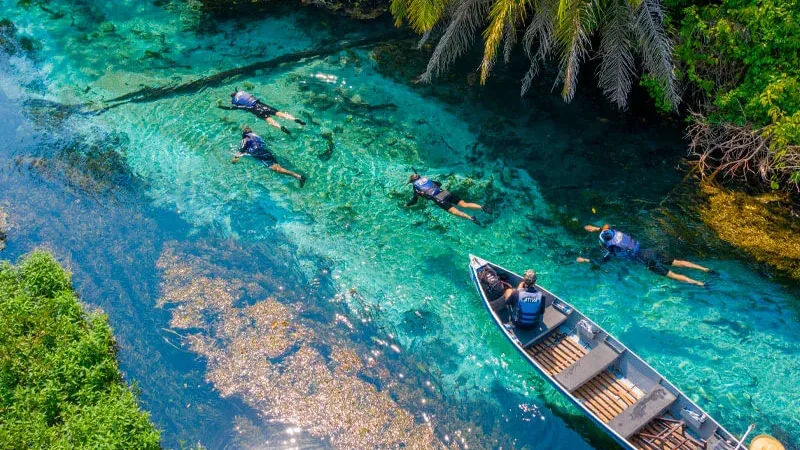
Bonito, MS travel guide
Bonito, in Mato Grosso do Sul, is the one destination in Brazil where you cannot improvise. Every attraction runs on a booking system with a daily cap, and the

This article has not been translated into Français yet. Go to the Français home page
This article has not been translated into Deutsch yet. Go to the Deutsch home page
This article has not been translated into Italiano yet. Go to the Italiano home page
This article has not been translated into Português yet. Go to the Português home page
This article has not been translated into Português yet. Go to the Português home page
Bonito works well with children, but not every attraction does. Minimum ages and swimming requirements are checked on arrival, and a voucher bought for a child who does not meet them is simply not honoured.
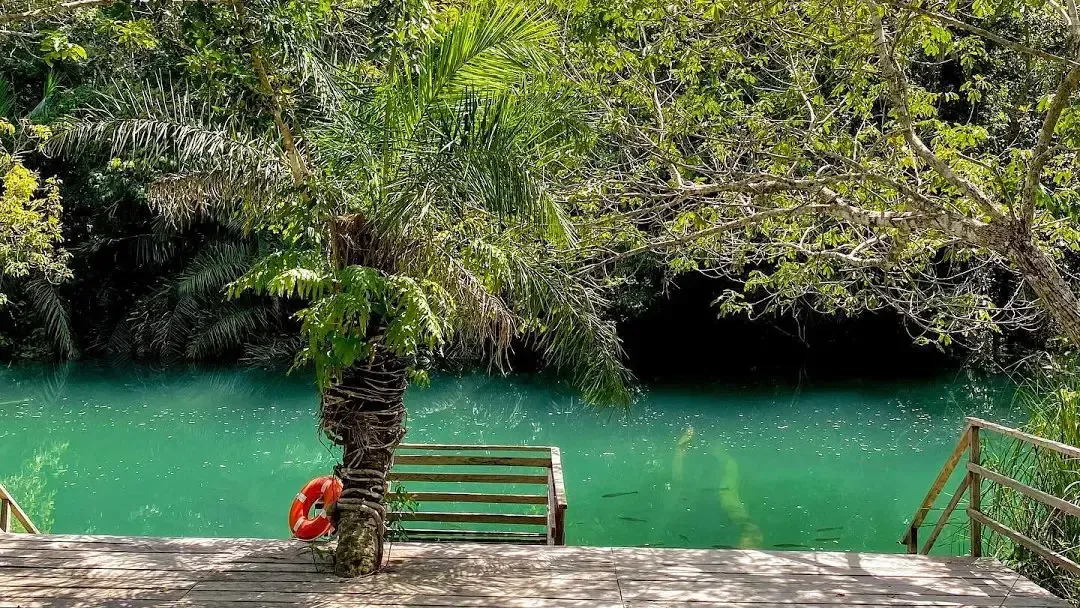
The region divides neatly for families. River beaches, water parks, the wildlife attractions and the shorter waterfall trails take children comfortably. The floats, the caves and the abseiling attractions set conditions, and those conditions are checked at the gate rather than negotiated.
Because every attraction is booked in advance on a named voucher, this is a question to resolve before paying, not on the morning. Agencies know the current rules for each property, which change and are set by the property itself.
The balneários — river parks with natural pools, shallow edges and facilities — are built for exactly this. There is somewhere to sit, somewhere to eat, and water a child can stand up in. A whole day there is a legitimate day of the trip, not a compromise.
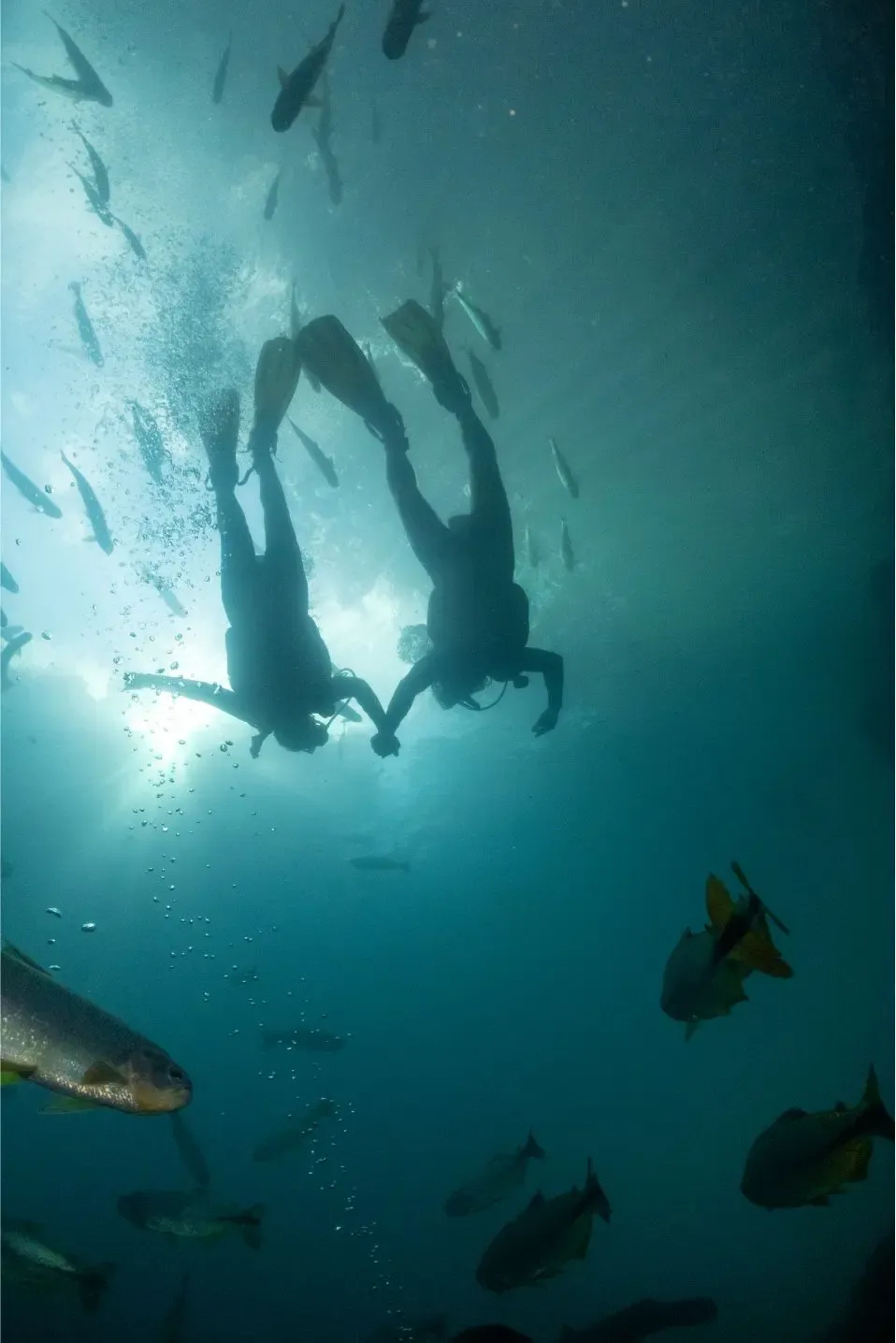
The wildlife attractions work too, and they tend to hold a child’s attention better than scenery does. The short waterfall trails are walkable by children used to walking, with the usual caveat that the distance on a sign is one-way.
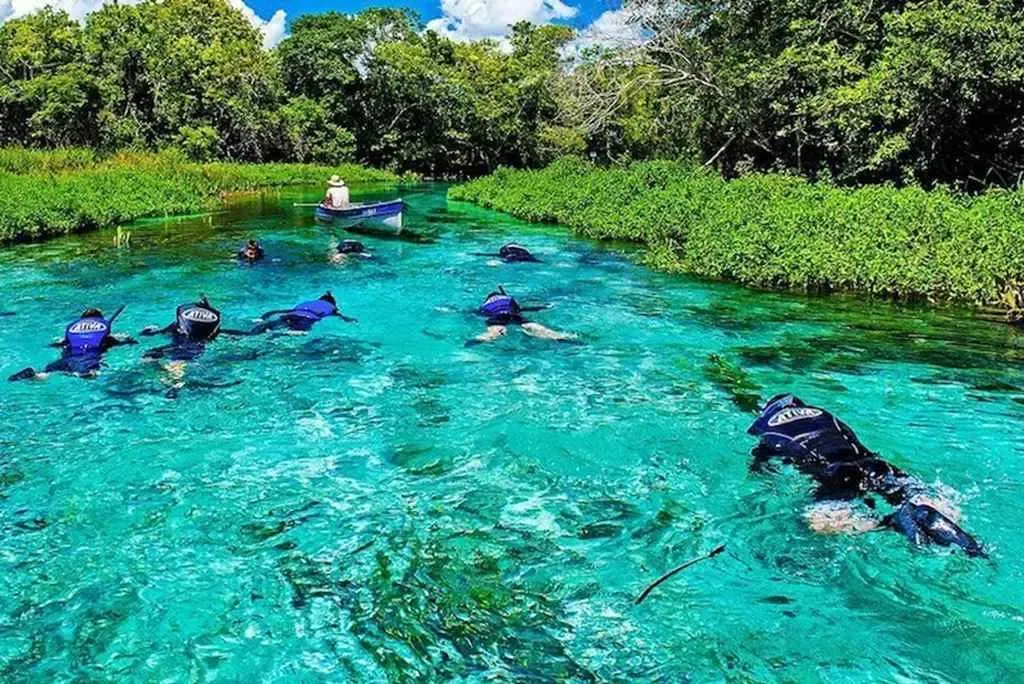
The requirement that catches families out is not age but swimming. A float is not a boat trip: the participant is in the river, in a wetsuit, for a long stretch. A child who is nervous in water will not enjoy it, whatever the voucher says.
The shape that works is one attraction in the morning and the afternoon free, rather than the two-a-day maximum adults can manage. Mornings are cooler, the attractions are quieter, and a free afternoon at the accommodation or a river beach is what makes the next morning possible.
It is also worth splitting the group on one day. One parent on a float with an older child while the other is at a river beach with a younger one is a better day than a compromise that suits neither.
It is set per attraction, not by the region, and it changes. Rather than planning around a number published anywhere, give the children’s ages to the agency when you book and let them tell you which properties accept them on your dates.
For the floats, being comfortable in water matters more than technique: participants wear a wetsuit and a life jacket and drift face-down with a mask. A child who is uneasy with their face in water will not enjoy it even where the rules allow them in.
The river parks with natural pools and facilities, the wildlife attractions, and the shorter waterfall trails. They have shade, somewhere to eat and water a child can stand in, and none of them depend on a child behaving in a particular way for several hours.
The conditions are checked on arrival and the property has the final say. This is why the ages go to the agency at the time of booking: a voucher issued for someone who does not meet the condition is not a guarantee of entry, and you will have travelled to the property for nothing.
Bonito, in Mato Grosso do Sul, is the one destination in Brazil where you cannot improvise. Every attraction runs on a booking system with a daily cap, and the
Bonito runs a system that catches almost every first-time visitor out: you cannot turn up at an attraction and pay to go in. Access is sold in advance, through
The honest answer is four nights, and the reason is structural: each attraction takes most of a day, they are spread over a wide area, and two in one day is the