
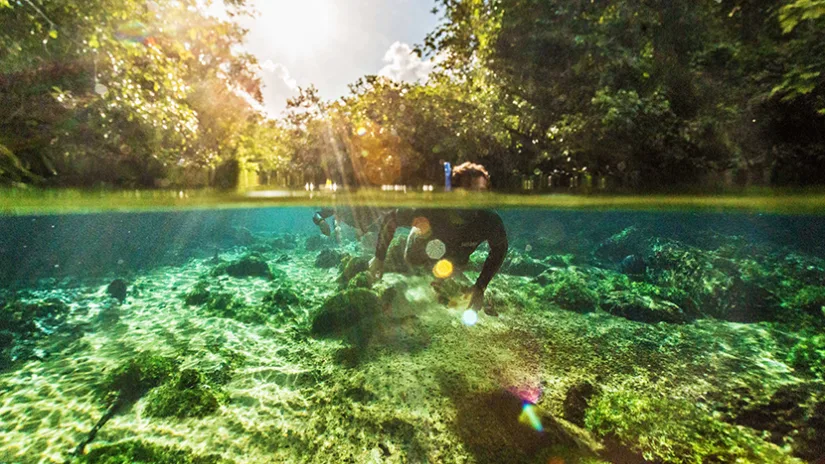
Jardim, MS: the town where the Rio da Prata and the macaw sinkhole are
Much of what people call "Bonito" actually happens in Jardim, the neighbouring municipality: the Rio da Prata, the Buraco das Araras and the Lagoa Misteriosa ar
Ecotourism in Brazil is mostly about access rules. The places worth visiting are protected, and being protected is exactly why they are still worth visiting.
Brazil holds more biodiversity than any other country, and the parts of it that survive intact do so because somebody put a limit on them. Ecotourism here means visiting inside those limits: capped numbers, accredited guides, fixed routes and seasons when an area simply closes.
Read those rules as the product rather than as an obstacle. The clarity of a river in Bonito, the macaws still nesting in a sinkhole, the forest reaching the sand on the São Paulo coast — each of them exists because access is controlled, and each would stop existing if it were not.
Articles about places where the natural environment is the reason to go and where its protection shapes the visit:
Start from the season rather than the destination. The same protected area is a different place in the dry months and the wet ones, and in several of them one of the two is simply closed. Then check whether a guide is compulsory — where it is, it is a condition of entry and not a service you can decline.
Amazonia is forest and river, visited by boat or from a lodge, with travel measured in hours of navigation. The Cerrado, the second largest, is highland savanna, springs and waterfalls — it is the source of the clear rivers of the country centre. The Pantanal is seasonally flooded plain, and because it is open it is where seeing large fauna is most likely anywhere in Brazil.
The Atlantic Forest, surviving in fragments along the coast, holds most of the country population and still keeps dense forest running down to the sand. The Caatinga, semi-arid, is the only exclusively Brazilian biome and changes face completely after rain. The Pampa, in the far south, is open rolling grassland and proposes something else again: wide landscape and quiet.
Choosing the biome decides more of the trip than choosing the state. Two destinations in the same biome tend to repeat each other; two different biomes produce two different trips.
In much of the Brazilian protected-area system the guide is not an optional service: it is a condition of entry. It is worth understanding what the job actually is:
Much of what people call "Bonito" actually happens in Jardim, the neighbouring municipality: the Rio da Prata, the Buraco das Araras and the Lagoa Misteriosa ar
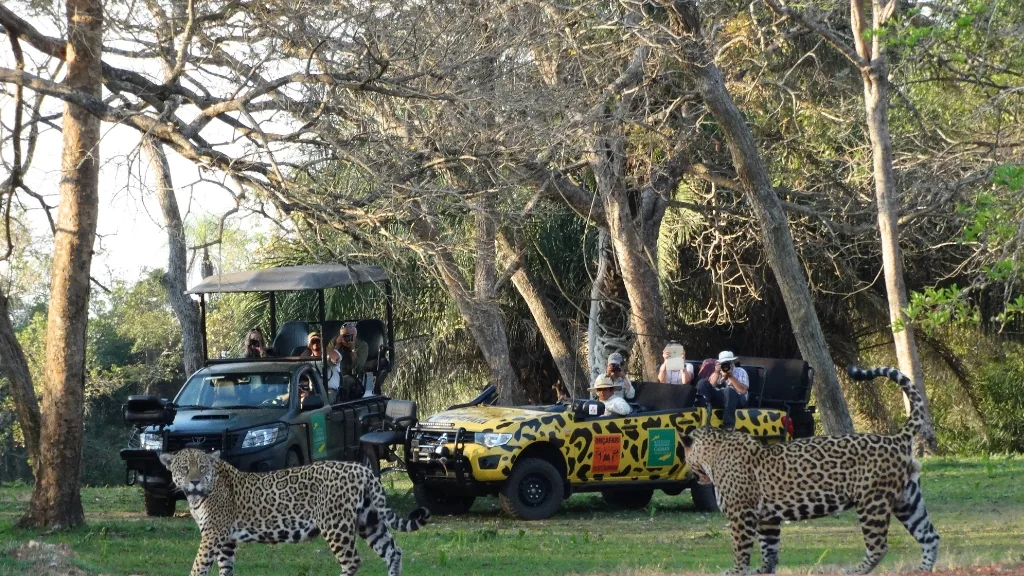
Miranda is where the Serra da Bodoquena ends and the Pantanal floodplain begins. It is the municipality that makes the Pantanal reachable from Bonito, whether a
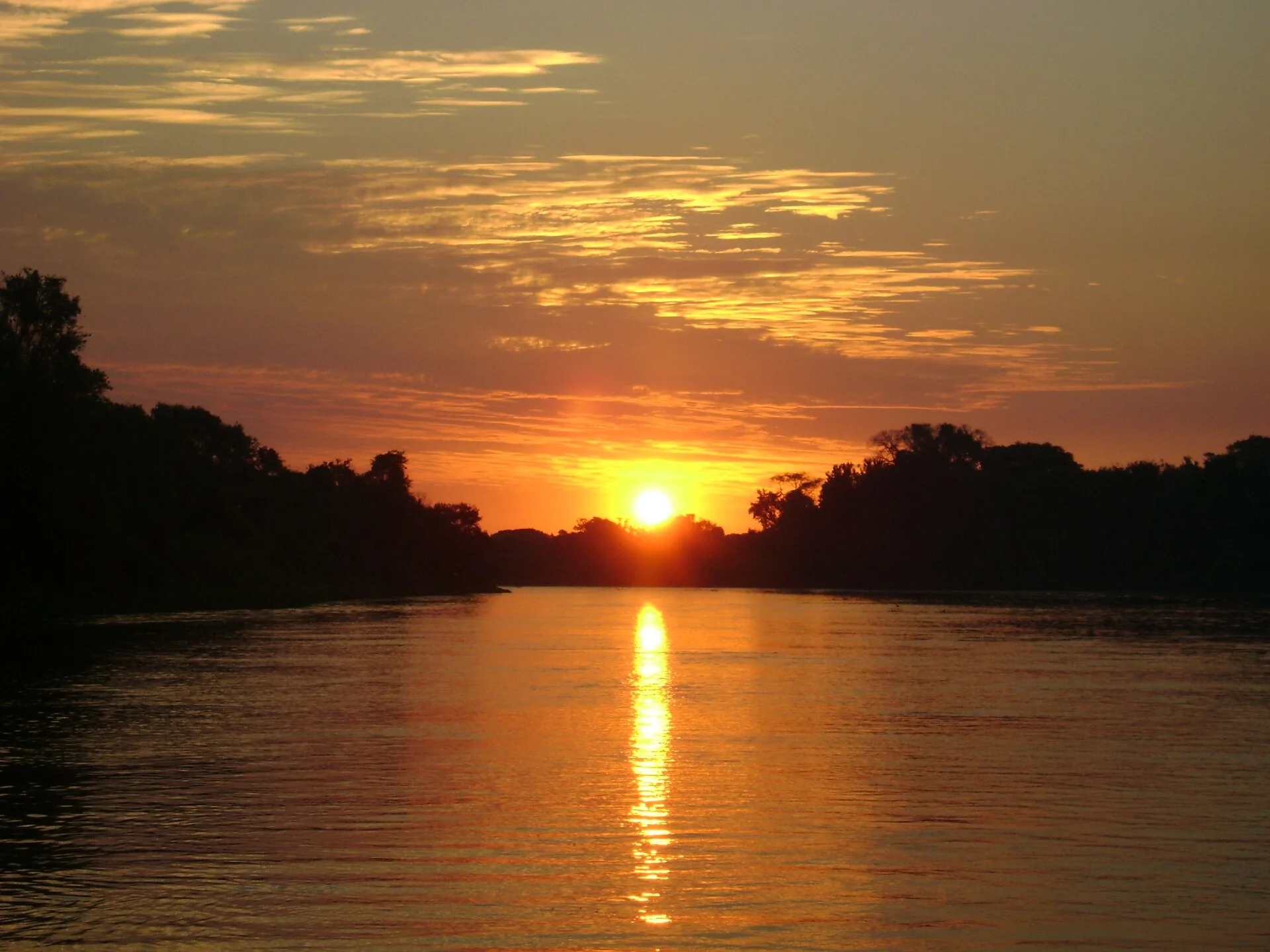
The Pantanal of Mato Grosso do Sul is the largest flooded plain in the world, and it works the opposite way to what most people expect: the best time to see wil
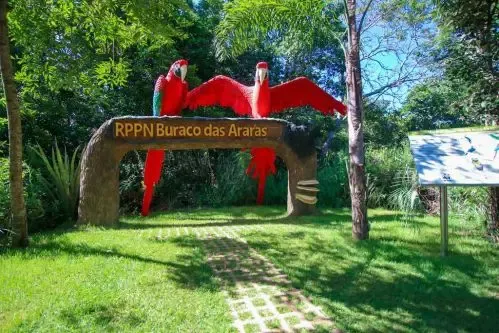
Bonito, in Mato Grosso do Sul, sits between two ecosystems, and the wildlife is the part of the trip most often left out of the plan. Nothing is guaranteed, but
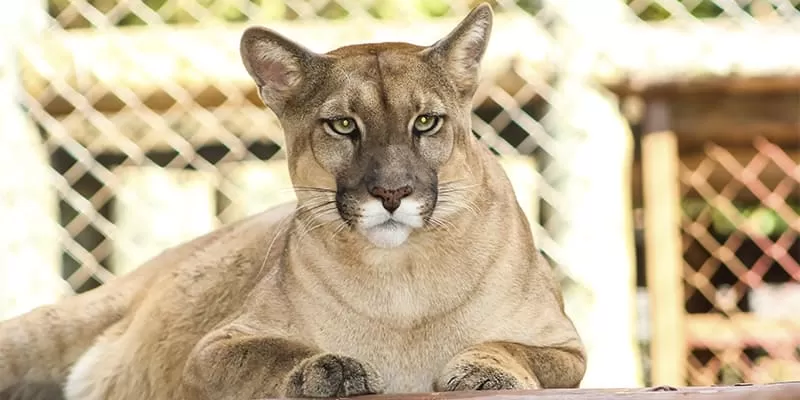
The Bio Park brings together, in a controlled setting, the aquatic and terrestrial wildlife of the Bonito region and the Pantanal. It is a short, largely covere
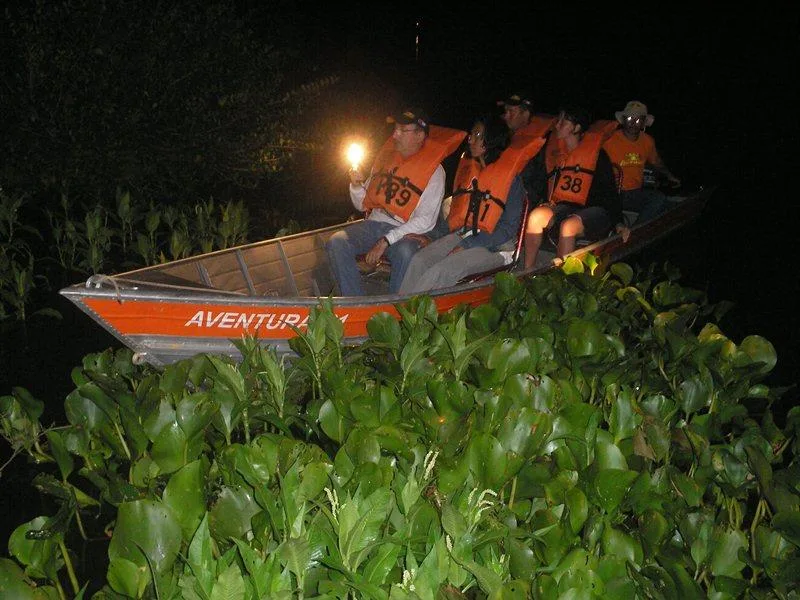
Lodges in the Pantanal of Mato Grosso do Sul exist for a practical reason: wildlife moves at dawn and dusk, and anyone who arrives by day and leaves by day miss
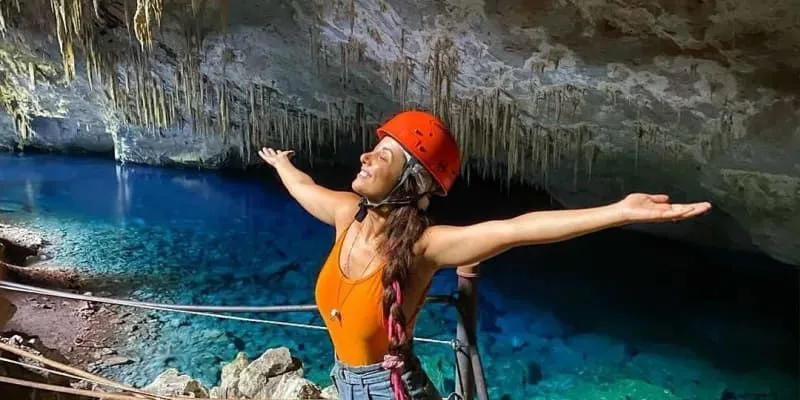
Projeto Jiboia is an environmental education project in Bonito that presents snakes to the public with a talk and guided contact. It is short, covered, works on
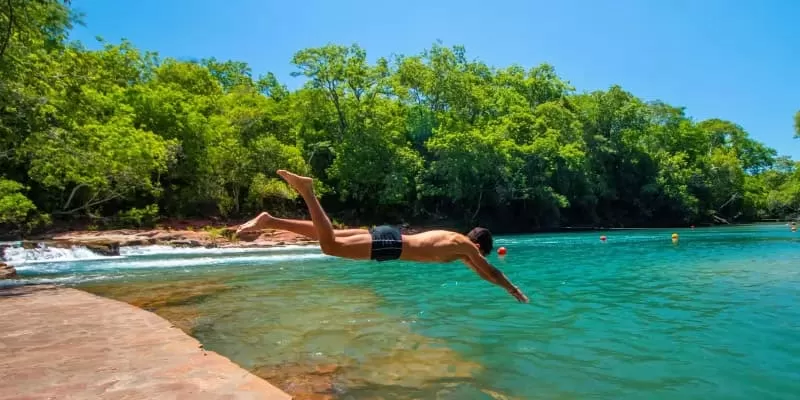
Jardim Ecopark sits in the municipality of Jardim, on the same road as the Rio da Prata and the Buraco das Araras. It is the swimming stop that rounds off a ful
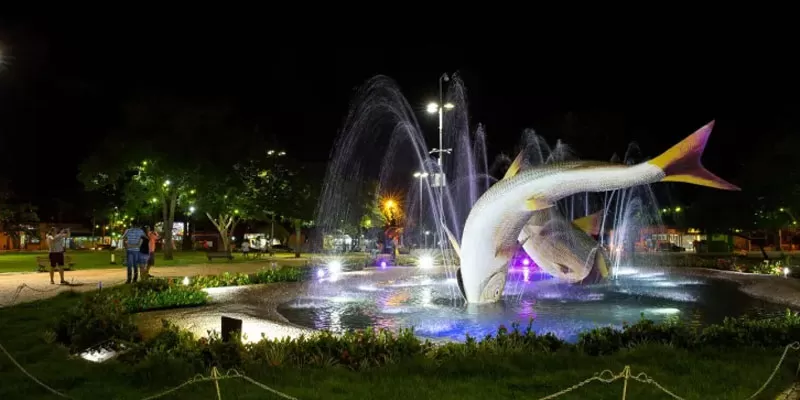
The night outing in Bonito shows the part of the day a conventional itinerary ignores: the wildlife that only moves after dark and a sky with almost no light po