
Bonito, MS travel guide
Bonito, in Mato Grosso do Sul, is the one destination in Brazil where you cannot improvise. Every attraction runs on a booking system with a daily cap, and the
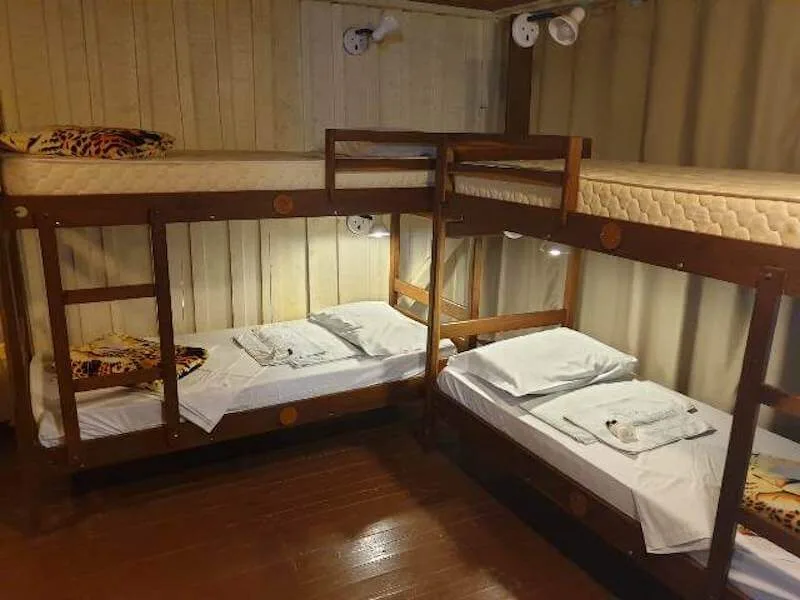
Lodges in the Pantanal of Mato Grosso do Sul exist for a practical reason: wildlife moves at dawn and dusk, and anyone who arrives by day and leaves by day misses both windows. Sleeping inside is what changes the result.
A Pantanal lodge is accommodation inside the floodplain, usually on a ranch, with a wildlife-watching programme included in the stay. The model differs from a day visit: instead of one day out, you get several field sessions spread across days — and that is what changes the experience.
The reason is behavioural, not commercial. Pantanal wildlife is most active in the first and last hours of daylight. Anyone arriving at ten in the morning and leaving at four in the afternoon spends the entire day in the quietest window.
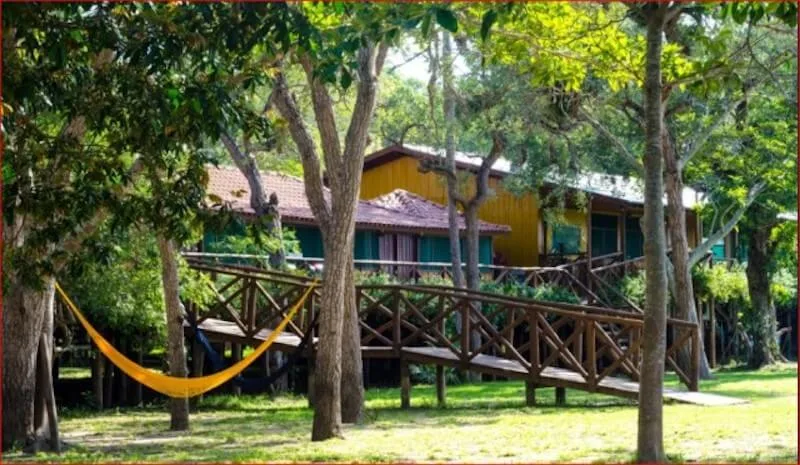
The day starts before the sun. The first outing is at dawn, when the temperature is still low and animals move to drink and feed. You return for breakfast, and the middle of the day — the worst hour for wildlife and the worst for heat — is for rest, a hammock and shade.
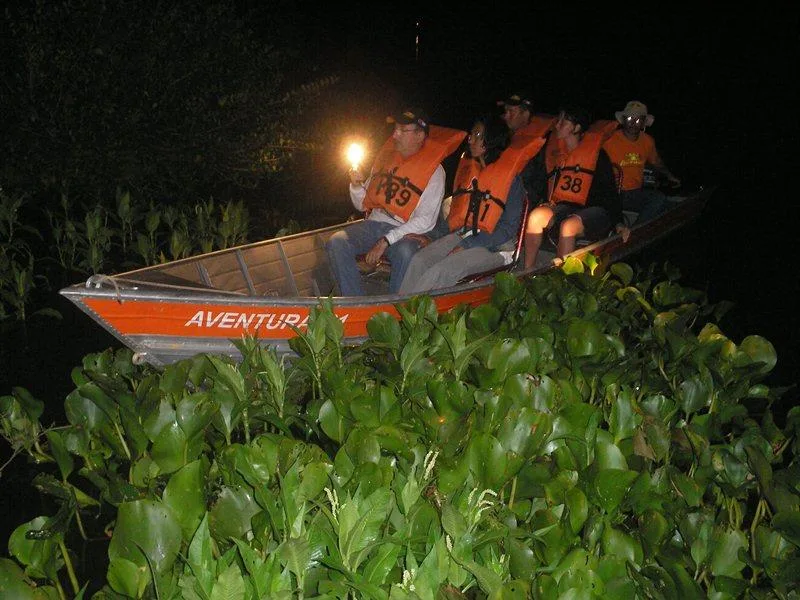
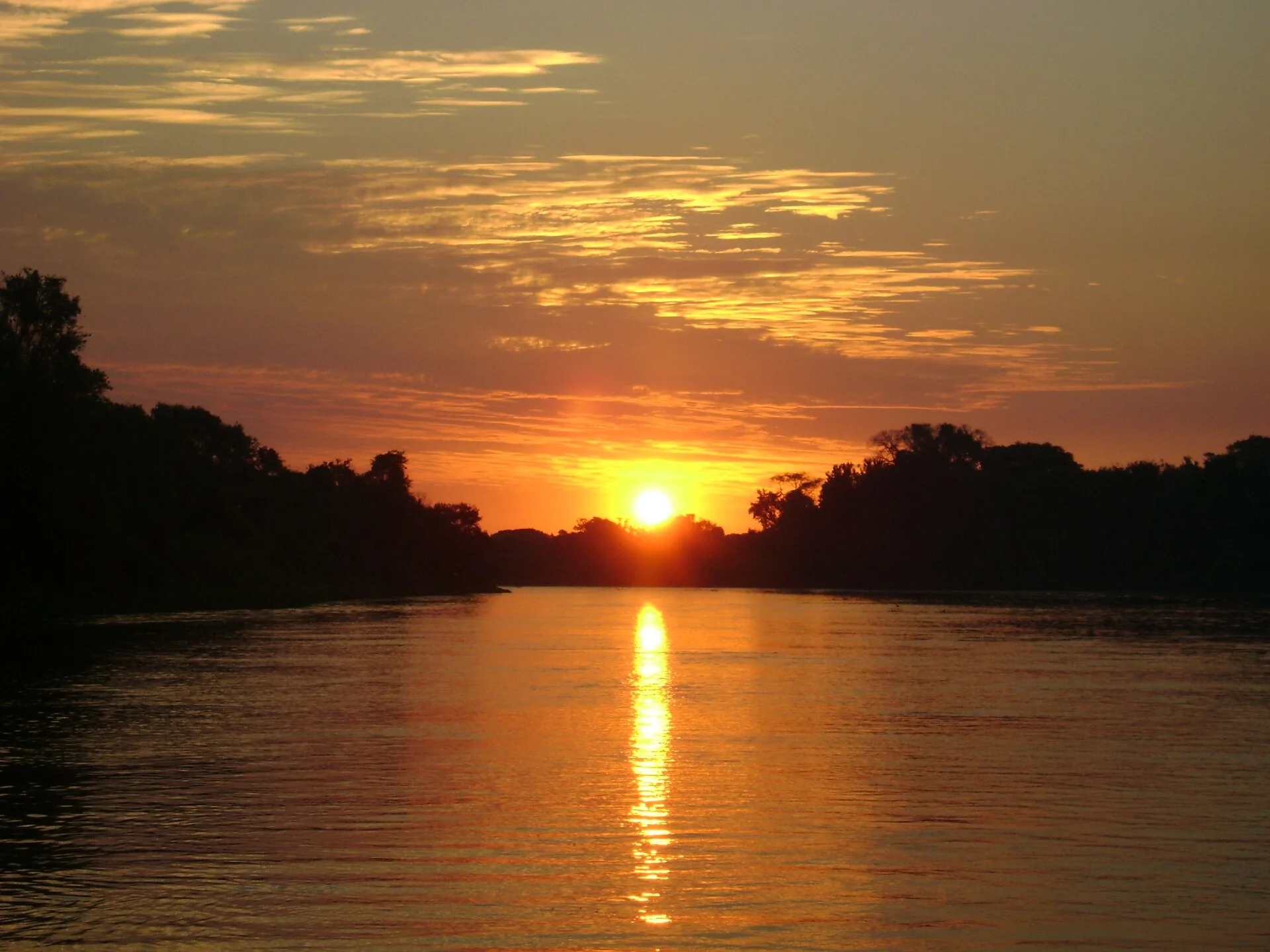
The second outing is late in the afternoon and runs into dusk, which is when the guard changes: diurnal wildlife withdraws and nocturnal species appear. Many operators also run a night safari with a spotlight, showing a Pantanal completely unlike the one in the photographs.
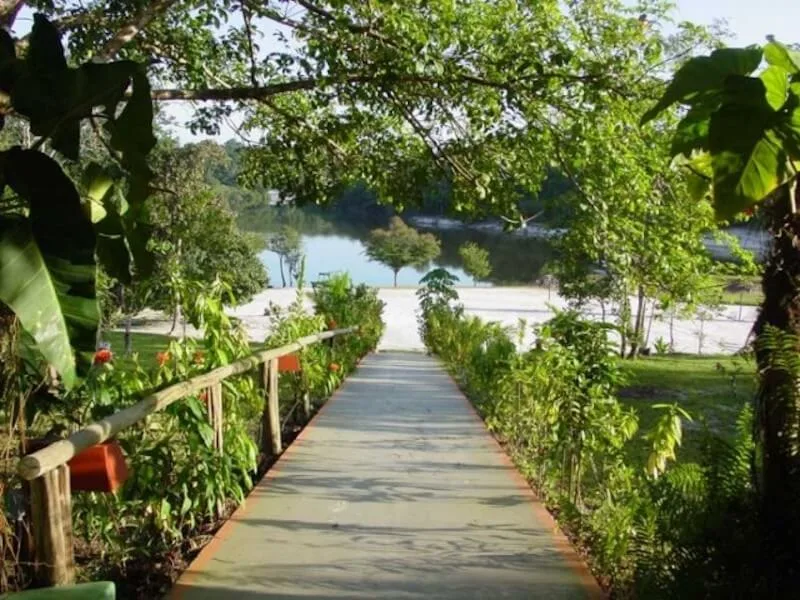
| Dry (May to September) | Flood (December to March) | |
|---|---|---|
| Wildlife | Concentrated around remaining water, much easier to see | Dispersed across the floodplain |
| Getting around | Internal tracks and vehicles | More boat, less road |
| Landscape | Open, dry grassland | Flooded plain, more striking |
| Best for | Mammal sightings | Birds, landscape photography |
Neither is wrong. The question is what you want to take home: wildlife or landscape.
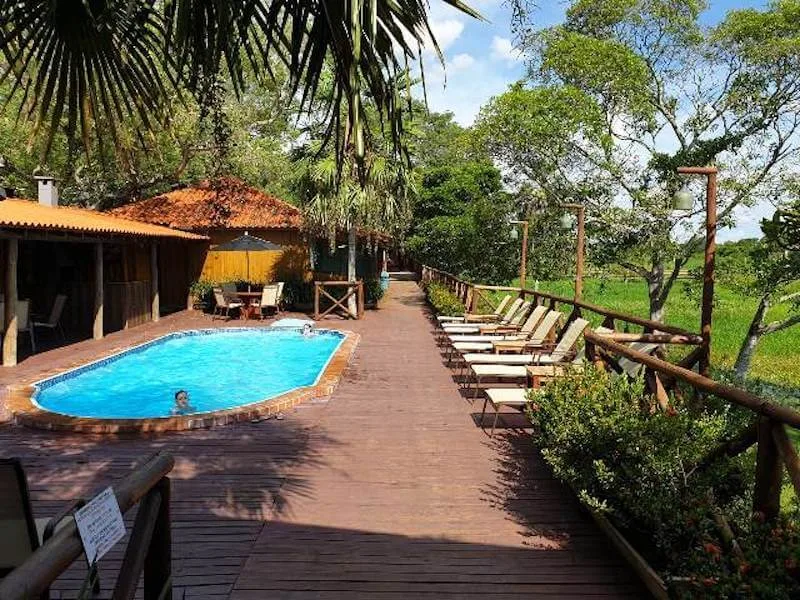
The Pantanal is the place in Brazil where seeing large wildlife is most likely — and still nothing is guaranteed. Anyone arriving with a species checklist to tick tends to be disappointed; anyone arriving to spend days in the field usually leaves with more than they expected.
It is also worth knowing that this is a working landscape: ranches that take visitors almost always keep producing. Cattle on the track, a ranch hand on horseback and fences are part of the scenery, not a flaw in it.
Fewer than two nights tends to deliver little, because the good windows are dawn and dusk. With two or three nights the number of field sessions starts to justify the journey.
Yes, and it is a common itinerary in Mato Grosso do Sul: a few days of clear rivers in Bonito and a few days of floodplain in the Pantanal, which are completely different landscapes.
Bonito, in Mato Grosso do Sul, is the one destination in Brazil where you cannot improvise. Every attraction runs on a booking system with a daily cap, and the
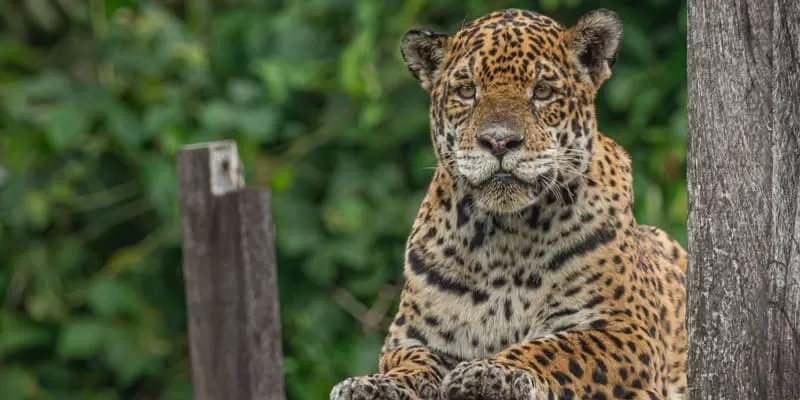
Fazenda San Francisco, in Miranda, is the closest Pantanal day-use site for anyone based in Bonito. It runs day and night photo safaris, a boat trip and one of
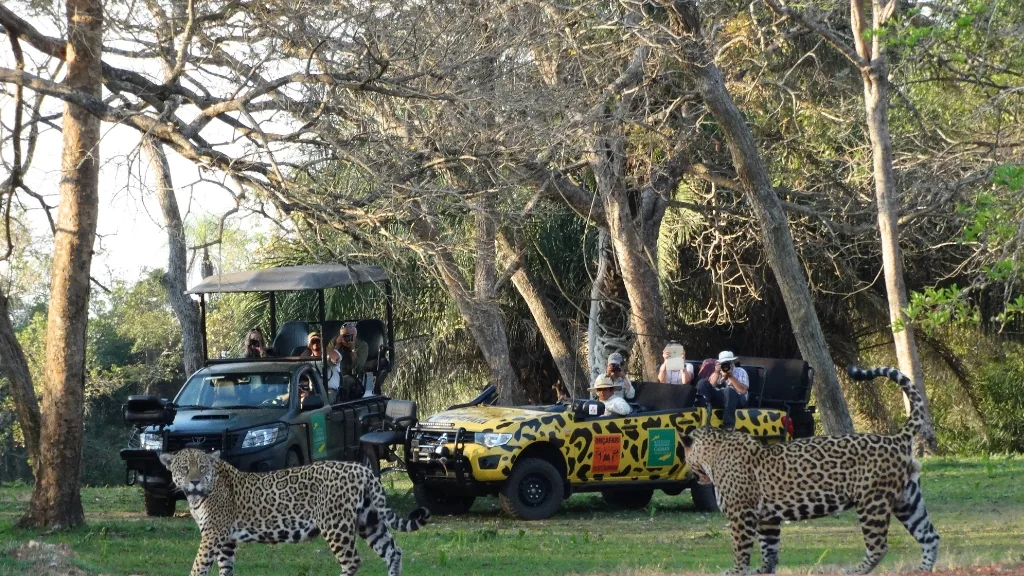
Miranda is where the Serra da Bodoquena ends and the Pantanal floodplain begins. It is the municipality that makes the Pantanal reachable from Bonito, whether a
The Pantanal of Mato Grosso do Sul is the largest flooded plain in the world, and it works the opposite way to what most people expect: the best time to see wil