
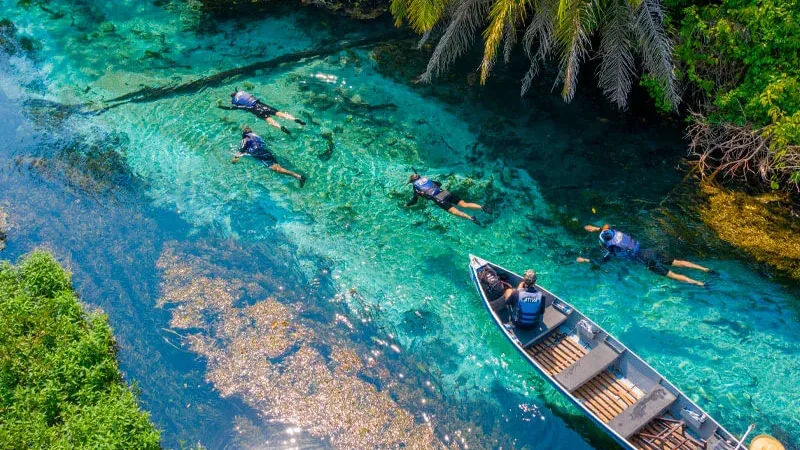
Bonito, MS travel guide
Bonito, in Mato Grosso do Sul, is the one destination in Brazil where you cannot improvise. Every attraction runs on a booking system with a daily cap, and the
The Pantanal of Mato Grosso do Sul is the largest flooded plain in the world, and it works the opposite way to what most people expect: the best time to see wildlife is the dry season, not the flood. This guide explains why, and what it means for your itinerary.
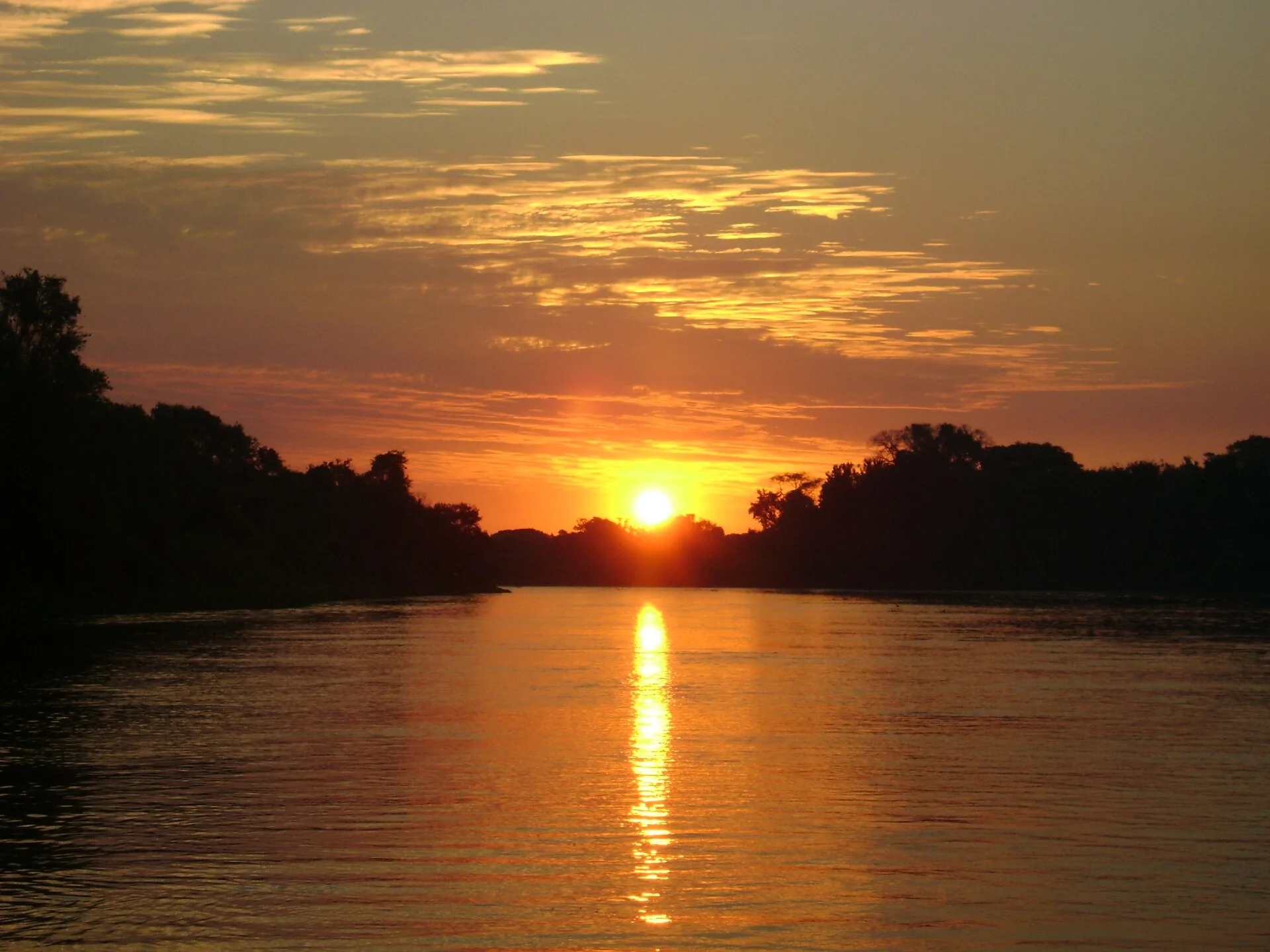
The Pantanal is a flooded plain covering part of Mato Grosso do Sul and Mato Grosso and extending into neighbouring countries. What defines it is not the vegetation or the relief but the water cycle: every year the plain floods and dries, and the whole system — wildlife, vegetation, cattle ranching, tourism — organises itself around that pulse.
Understanding that cycle is what separates a well-planned trip from a disappointment. The Pantanal has no absolute best time: it has two very different seasons, and the choice depends on what you want to see.
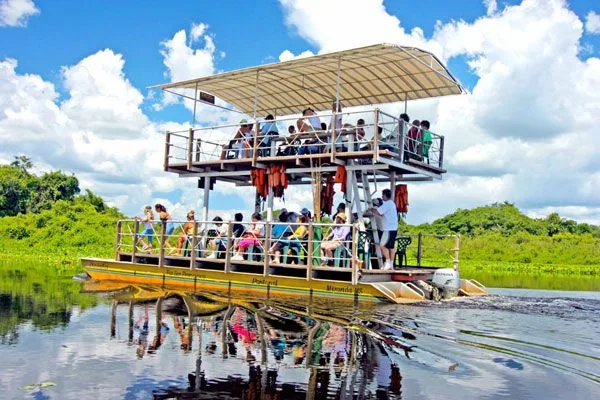
The summer rains fall on the plateau surrounding the Pantanal, not on the Pantanal itself. The water runs down the rivers and takes weeks to reach the plain, which is almost flat — the drop over hundreds of kilometres is minimal. With no gradient, the water does not drain: it spreads.
That is why the Pantanal flood lags behind the rain, and why it lasts for months. When the water finally retreats it leaves nutrients on the grassland and concentrates fish in the remaining lagoons — which triggers the whole food chain and explains the abundance of wildlife in the dry season.
| Dry (May to September) | Flood (December to March) | |
|---|---|---|
| Wildlife | Concentrated, far easier to see | Dispersed across the plain |
| Landscape | Open grassland, lagoons and channels | Flooded plain, more imposing |
| Getting around | Internal tracks and vehicles | Mostly by boat |
| Temperature | Hot days, nights that can be cold | High heat and humidity |
| Best for | Seeing large mammals | Birds, landscape photography, fishing |
You do not "arrive in the Pantanal" the way you arrive in a town: you enter it on roads that leave from settlements on its edge. On the Mato Grosso do Sul side the most used gateways are Miranda and Aquidauana, on the axis linking Campo Grande to Corumbá, plus the Estrada Parque that crosses the plain. Miranda is the most practical for anyone in Bonito.
Accommodation is in ranches and lodges inside the plain, and the transfer from the main road is part of the journey — sometimes long, on dirt. It is worth confirming how that stretch is covered before booking.
Accommodation inside the Pantanal is in ranches and lodges, almost always with the activity programme included. That is not a commercial package: it is a consequence of geography, since there is no restaurant on the corner and no way to travel alone on dirt roads crossing private land.
Standards vary widely, from simple facilities to full accommodation, and the transfer from the highway can be long. Confirming how that stretch is made, and in what vehicle, avoids the commonest surprise for first-time visitors.
Wildlife moves at dawn and dusk. A day trip that arrives in the morning and leaves in the afternoon occupies exactly the quietest window — which is why it delivers a sample rather than the experience. Two nights already secure four good field sessions, and from there the trip starts to justify the distance.
For wildlife, the dry season, May to September. For flooded landscape and birds, the flood. There is no single answer.
Yes, and it is one of the most coherent itineraries in central Brazil: clear rivers on one side, flooded plain on the other, a few hours apart.
Bonito, in Mato Grosso do Sul, is the one destination in Brazil where you cannot improvise. Every attraction runs on a booking system with a daily cap, and the
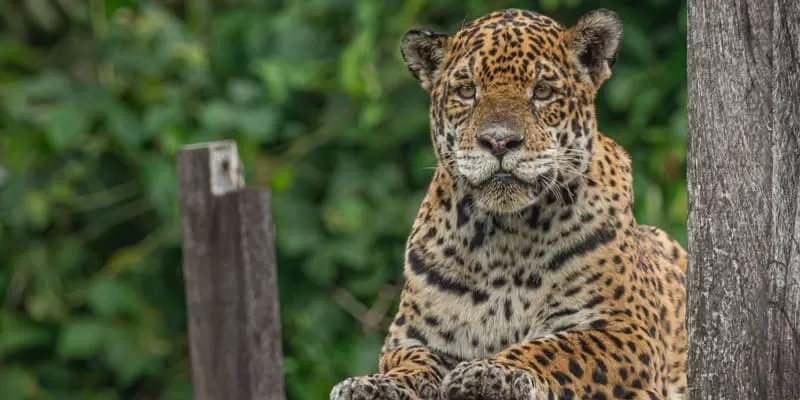
Fazenda San Francisco, in Miranda, is the closest Pantanal day-use site for anyone based in Bonito. It runs day and night photo safaris, a boat trip and one of
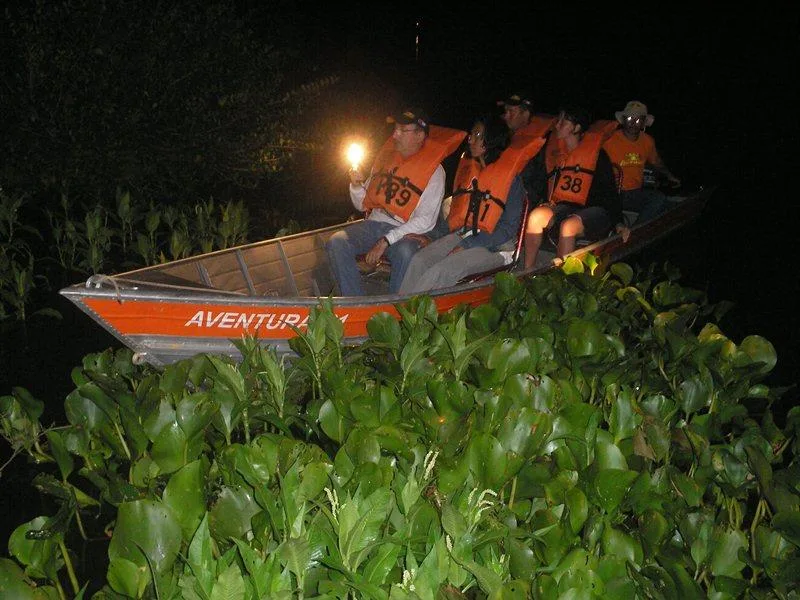
Lodges in the Pantanal of Mato Grosso do Sul exist for a practical reason: wildlife moves at dawn and dusk, and anyone who arrives by day and leaves by day miss
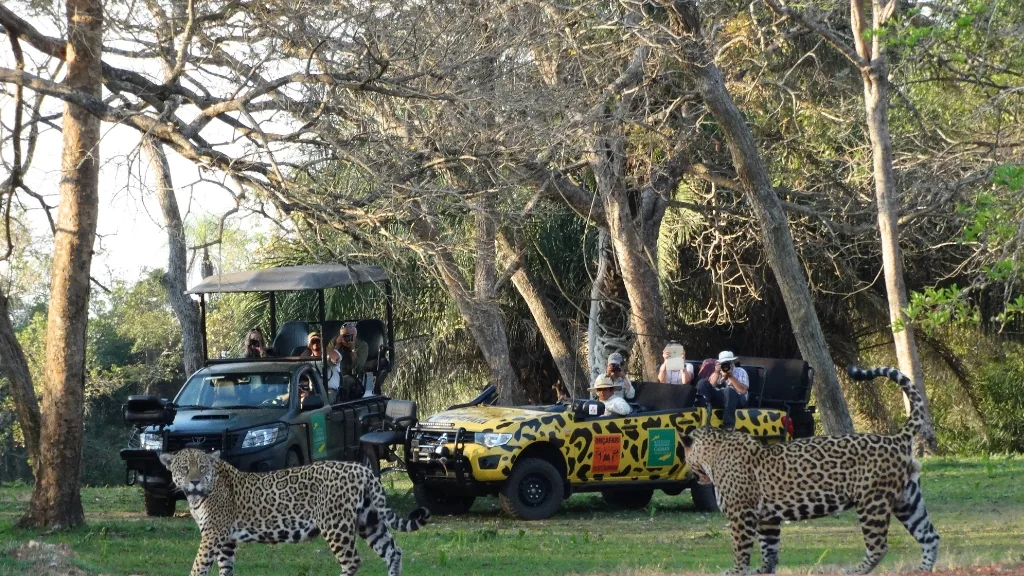
Miranda is where the Serra da Bodoquena ends and the Pantanal floodplain begins. It is the municipality that makes the Pantanal reachable from Bonito, whether a