
Bonito, MS travel guide
Bonito, in Mato Grosso do Sul, is the one destination in Brazil where you cannot improvise. Every attraction runs on a booking system with a daily cap, and the
Miranda is where the Serra da Bodoquena ends and the Pantanal floodplain begins. It is the municipality that makes the Pantanal reachable from Bonito, whether as a day trip or as the first stop of a longer stay.
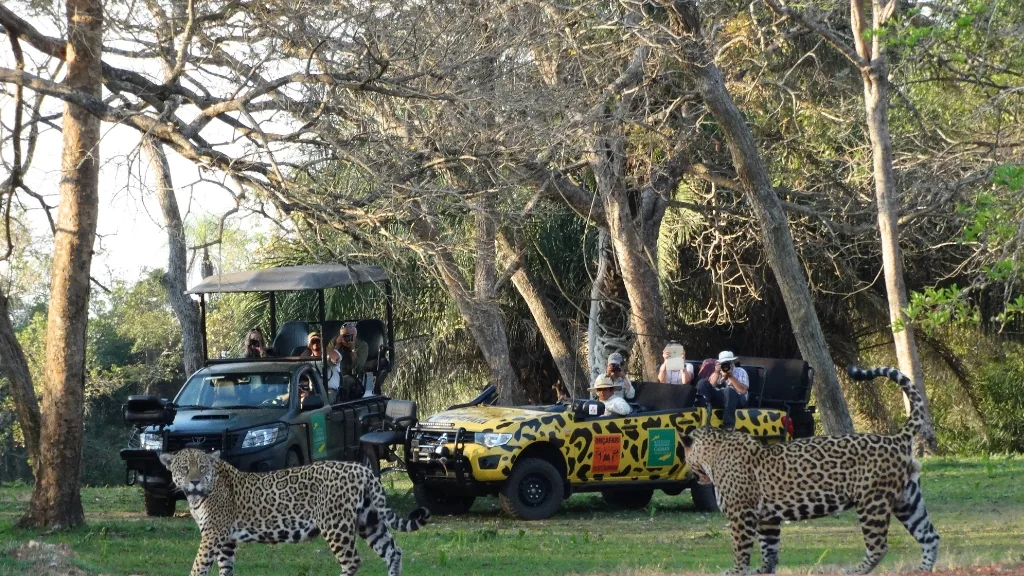
Miranda sits at the point where the relief of the Serra da Bodoquena gives way to the flooded plain of the Pantanal, in Mato Grosso do Sul. That geographical position makes it the most practical entrance to the Pantanal for anyone based in Bonito: it is the closest wildlife ranch, and day-use safaris from Bonito happen here.
The change of landscape is abrupt and worth the trip in itself. You leave a region of clear rivers and caves and arrive, in a little over an hour of driving, at flooded grassland, caimans on the bank and water birds in flocks.
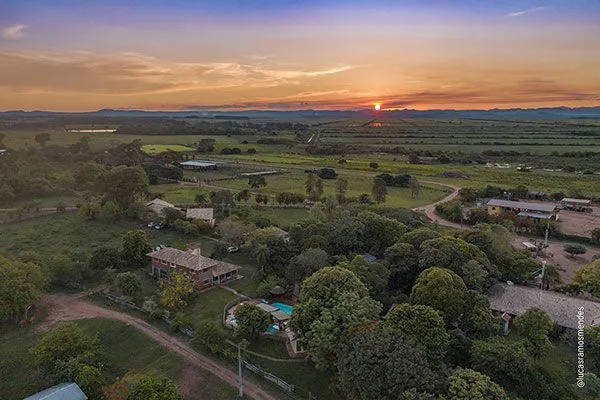
Miranda lies on the road that links Campo Grande to Corumbá, which makes it reachable by car and by bus — unlike many Pantanal entrances. From Bonito the drive takes a few hours and a day trip is feasible, if tight.
Within the municipality the picture changes: ranches sit on dirt roads, and access depends on the season and the water level. This is not a place to improvise a route in your own car — transfers are usually arranged with the ranch or the operator.
Miranda is home to communities of the Terena people, one of the most significant Indigenous presences in Mato Grosso do Sul. Part of that culture appears in the region in craftwork, in place names and in the history of the municipality itself.
Visits to Indigenous communities, where they exist, are organised by the communities themselves and follow rules they set. It is not a tour sold at any desk, and it is worth seeking out what is actually authorised rather than turning up unannounced.
The Pantanal alternates flood and dry, and the difference between the two is greater than between the seasons of any other Brazilian destination. In the dry, May to September, the water retreats and the wildlife concentrates on what is left — the best period for sightings. In the flood, December to March, the plain inundates, animals spread out and movement depends more on boats; the landscape compensates for the wildlife you lose.
It is worth it as a sample, and better than not going. But the good wildlife windows are dawn and dusk, and a same-day trip usually misses both.
It is, especially in summer. A hat, water and light long sleeves are more useful here than anywhere else on the itinerary.
Bonito, in Mato Grosso do Sul, is the one destination in Brazil where you cannot improvise. Every attraction runs on a booking system with a daily cap, and the
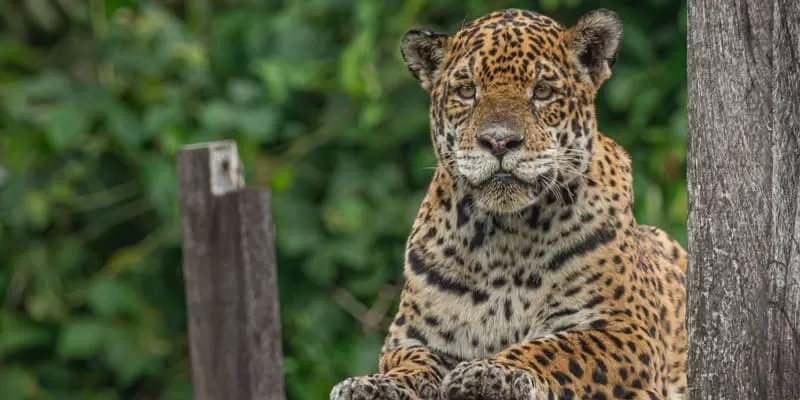
Fazenda San Francisco, in Miranda, is the closest Pantanal day-use site for anyone based in Bonito. It runs day and night photo safaris, a boat trip and one of
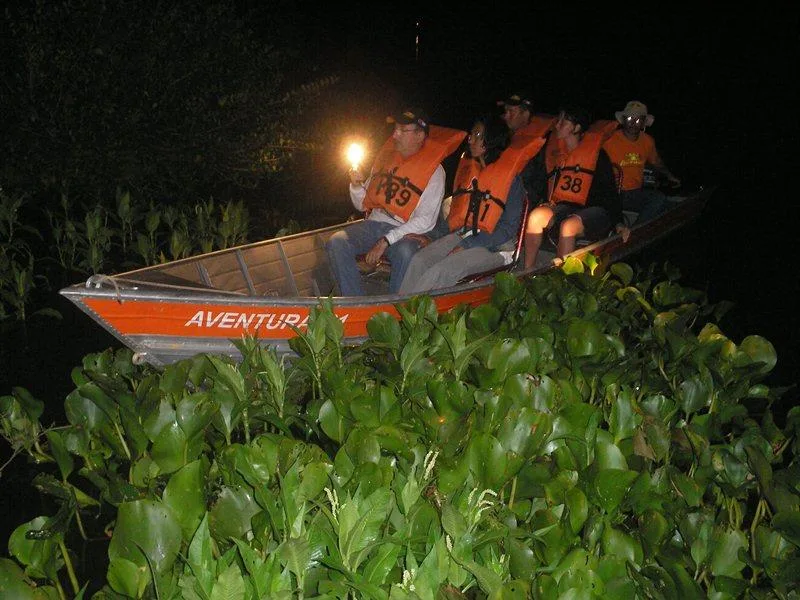
Lodges in the Pantanal of Mato Grosso do Sul exist for a practical reason: wildlife moves at dawn and dusk, and anyone who arrives by day and leaves by day miss
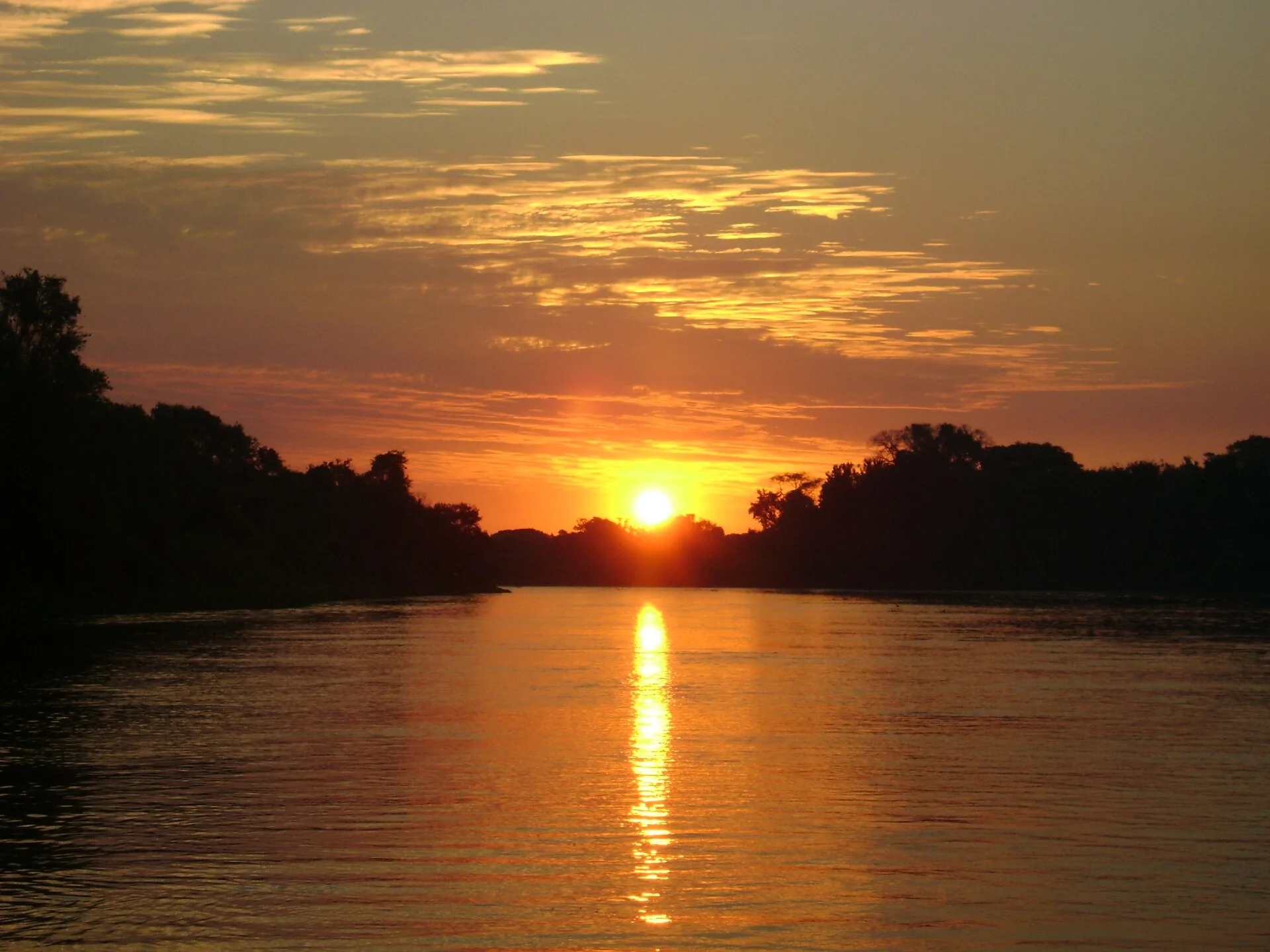
The Pantanal of Mato Grosso do Sul is the largest flooded plain in the world, and it works the opposite way to what most people expect: the best time to see wil