

Bonito, MS travel guide
Bonito, in Mato Grosso do Sul, is the one destination in Brazil where you cannot improvise. Every attraction runs on a booking system with a daily cap, and the
The night outing in Bonito shows the part of the day a conventional itinerary ignores: the wildlife that only moves after dark and a sky with almost no light pollution. It is short, low-effort and fits into any day.
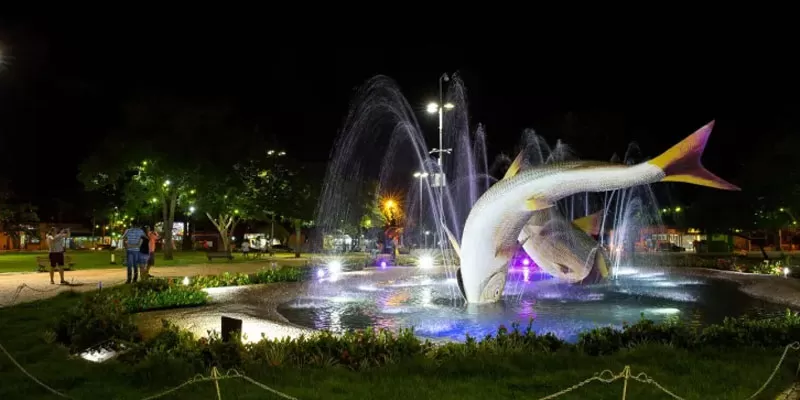
The night outing in Bonito is a guided walk after dusk, in rural country, to observe nocturnal wildlife and the sky. The route is short and the effort low; what changes is the method — you walk slowly, in silence, with a torch, and much of what you find is located first by sound.
It is a useful counterpoint to an itinerary that is almost entirely aquatic by day. After two or three days in rivers, a night in the forest completely changes the record of the trip.
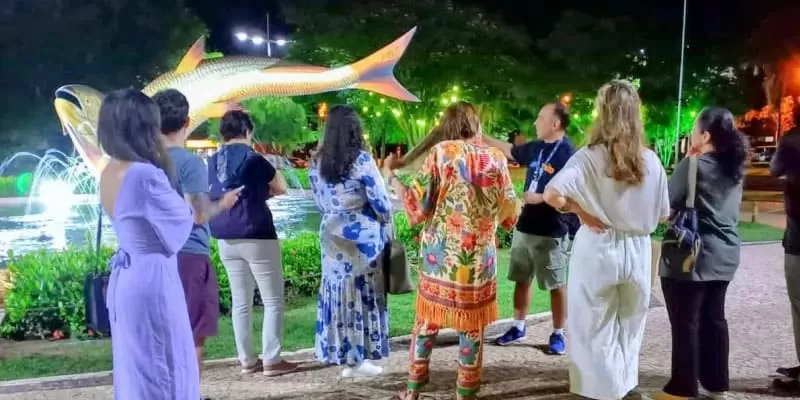
The technique is simple and counter-intuitive: walk slowly, speak little and sweep the torch at eye height rather than at the ground. Most night sightings begin with a reflection — many animals have a reflective layer behind the retina that returns the light and gives away their position from tens of metres away.
Hearing does the rest. Much of what is in the forest at night is identified by sound before it is seen, which is why the group silence is not a formality: it is the guide working tool.
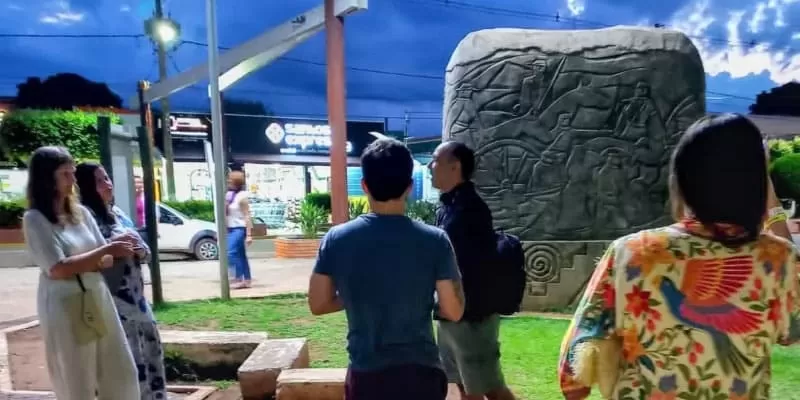
Adjust your expectations: wild animals are not guaranteed and the night does not deliver a parade. What usually turns up are insects, amphibians, nocturnal birds, eyes reflecting the torchlight in the distance and, with luck, a small mammal. The sky, on the other hand, is predictable: away from urban lighting, the number of visible stars surprises anyone who lives in a city.
Away from town lighting, the Milky Way is clearly visible on moonless nights, and constellations that shrink to three or four points in an urban sky show themselves whole.
The moon phase matters more than the season: a full moon brightens the sky and erases the faint stars, exactly as street lighting does. If sky watching is your priority, choose a night near the new moon.
The rainy season, warmer and more humid, brings far more amphibian and insect activity — the night is livelier. For the sky, the opposite: dry, moonless nights deliver many more stars.
There is no guarantee: this is wild fauna. What is certain is the forest at night, the sound and the sky.
It does, provided they can walk slowly and stay quiet, and provided they are rested. Physical effort is low.
Bonito, in Mato Grosso do Sul, is the one destination in Brazil where you cannot improvise. Every attraction runs on a booking system with a daily cap, and the
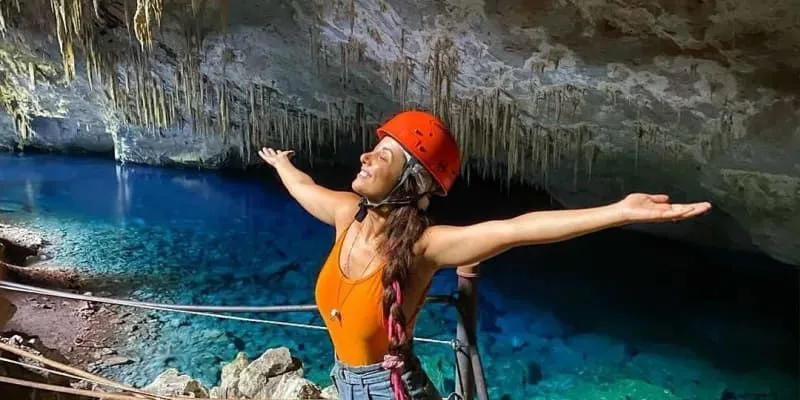
Projeto Jiboia is an environmental education project in Bonito that presents snakes to the public with a talk and guided contact. It is short, covered, works on
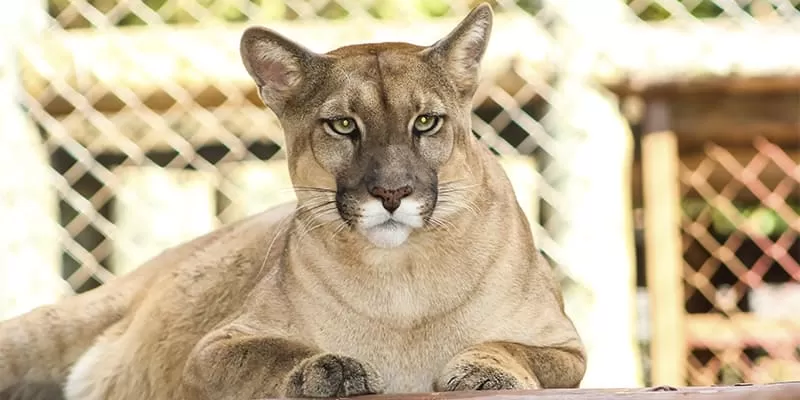
The Bio Park brings together, in a controlled setting, the aquatic and terrestrial wildlife of the Bonito region and the Pantanal. It is a short, largely covere

The Rota Zagaia is the shortest quad bike trail around Bonito and the closest to the centre. It suits anyone who wants to try the activity without committing a