
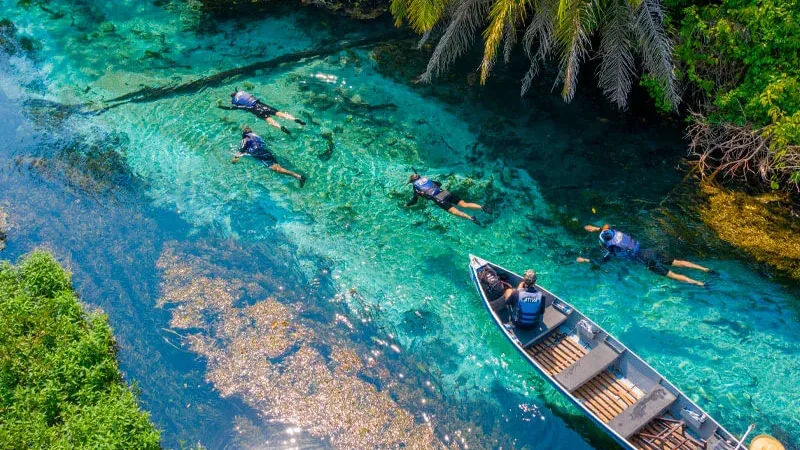
Bonito, MS travel guide
Bonito, in Mato Grosso do Sul, is the one destination in Brazil where you cannot improvise. Every attraction runs on a booking system with a daily cap, and the
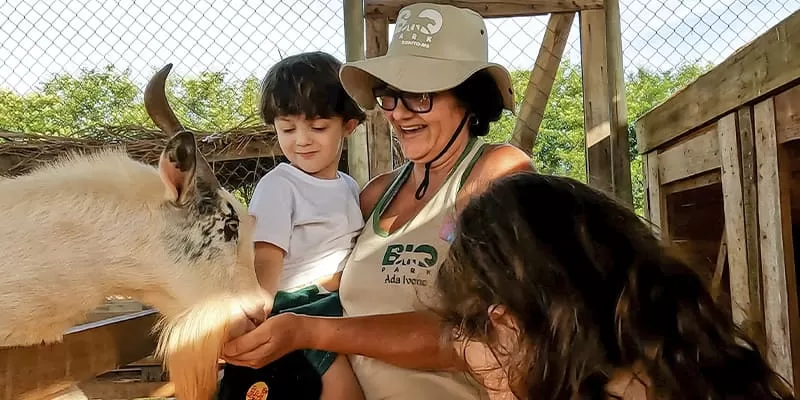
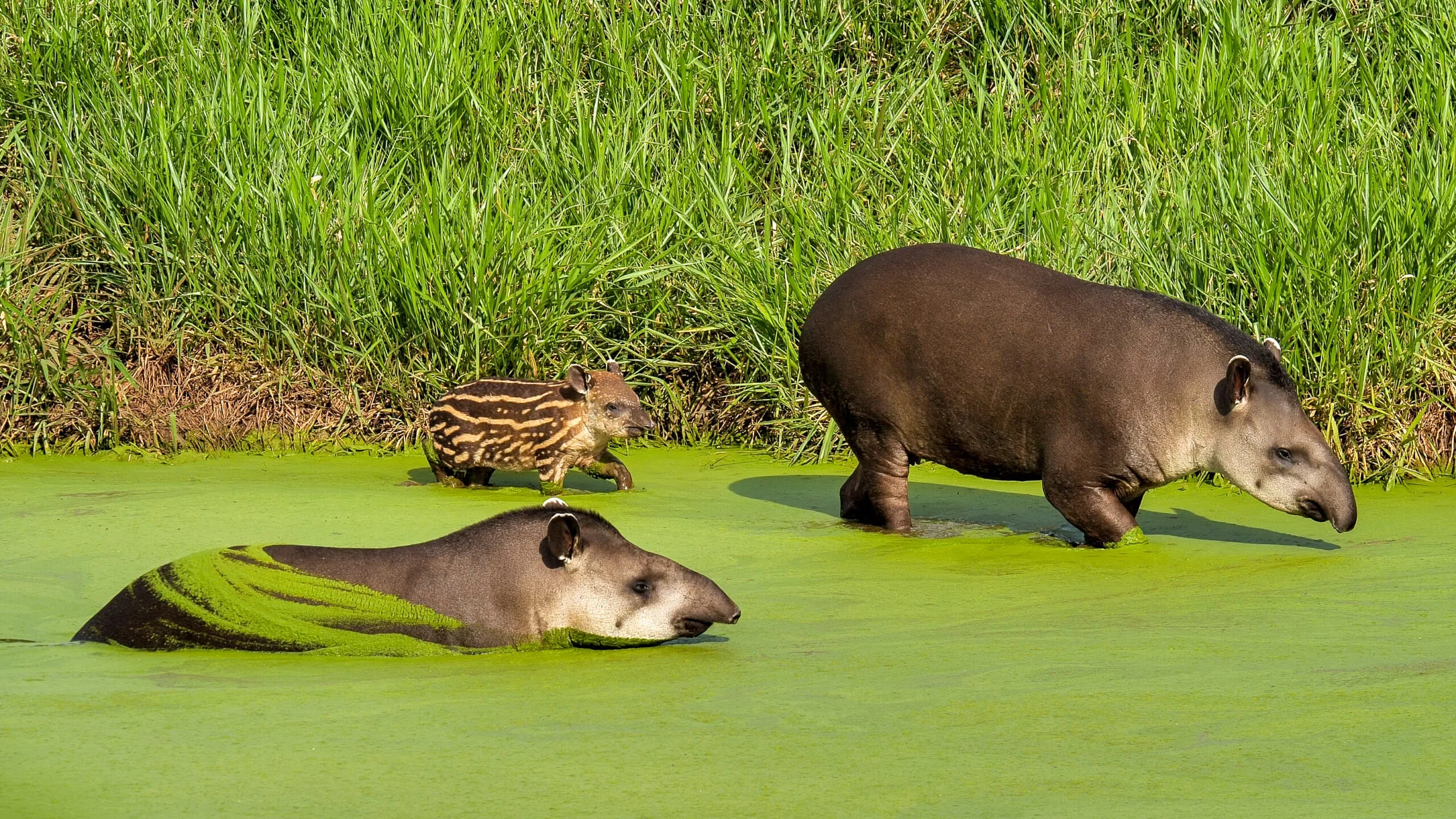
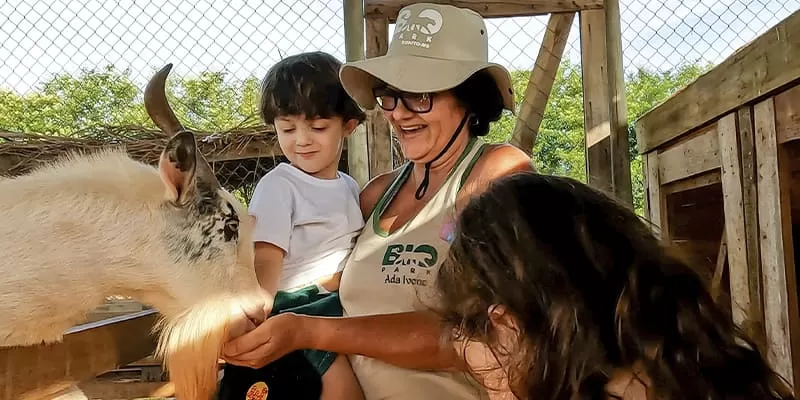
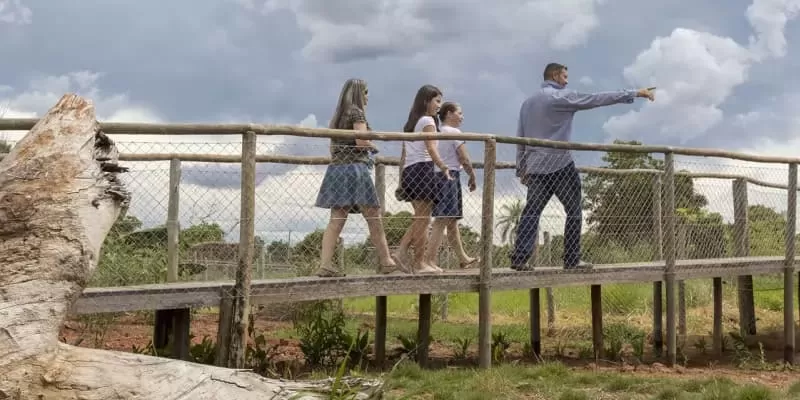
The Bio Park brings together, in a controlled setting, the aquatic and terrestrial wildlife of the Bonito region and the Pantanal. It is a short, largely covered visit and the best place to understand what you will see later in the rivers and on the trails.
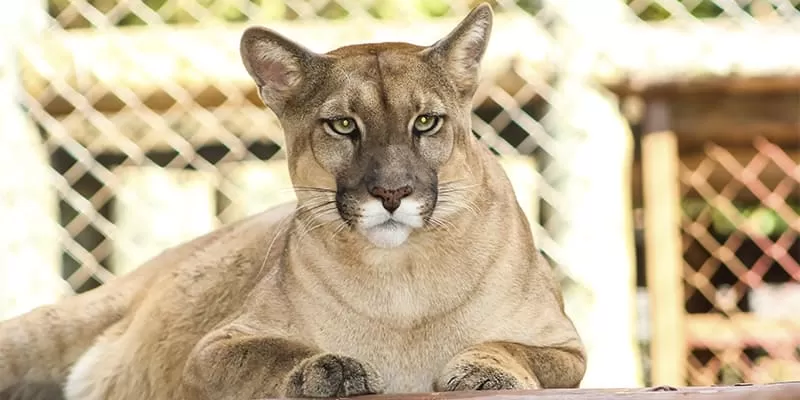
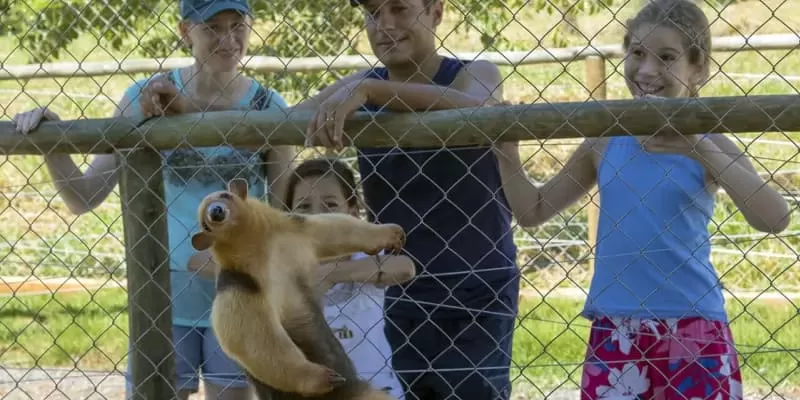
The Bio Park is a visitor centre in Bonito dedicated to the wildlife of the region — the fish of the spring-fed rivers, the species of the Pantanal and the life of the Serra da Bodoquena. The visit is guided, runs through aquariums and enclosures, and has a strong environmental education component.
The best moment to fit it into your itinerary is at the start. After seeing the fish identified up close and hearing their names, the snorkel float the next day stops being a succession of silver shapes and becomes recognisable.
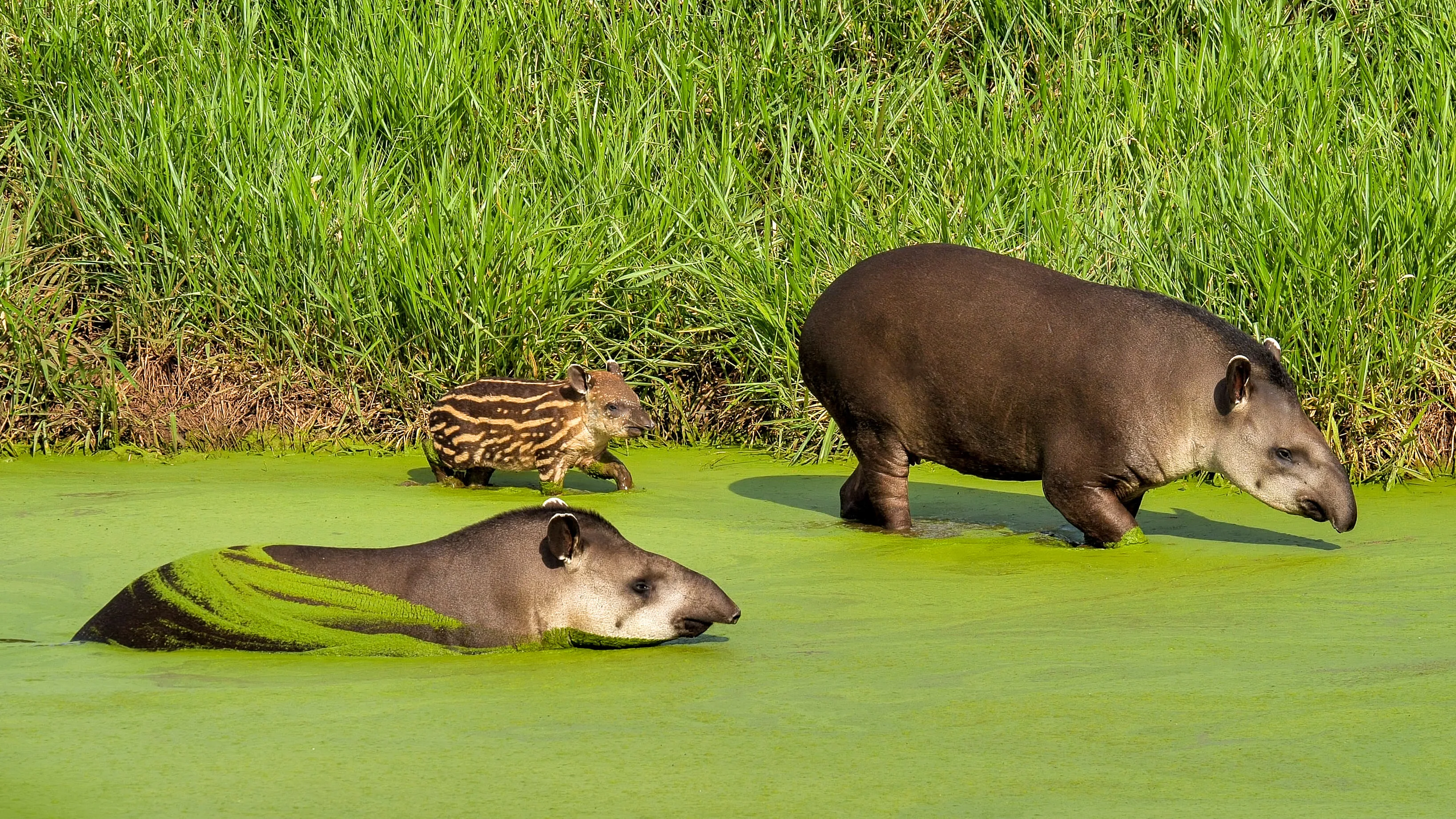
The piraputanga is the emblematic fish of the region: silver, with reddish fins, known for leaping to catch fruit falling from bank vegetation. The dourado, larger and golden, is the most visible predator in the Formoso system. The curimbatá moves in dense shoals near the bottom, and the piau has stripes that give it away from a distance.
Knowing those four names changes an entire float. Instead of "lots of fish", you start recognising who is there and why each one occupies that part of the water column.
Tourism in Bonito depends on a fragile resource: clear water. It is only maintained by preserved riparian forest, by controlling how many people enter each river per day, and by rules of behaviour in the water. Explaining that to arriving visitors is part of what keeps the model working.
An environmental education centre does that job better than a five-minute briefing before an activity — and it reaches people who have not yet set foot in a river.
It works all year and does not depend on rain, sun or river clarity. That makes it one of the few reliable cards in an itinerary and a dependable plan B when another activity falls through.
Before. Seeing and naming the species first changes what you notice in the water afterwards.
Very much so: the route is short, largely covered and visually direct.
Bonito, in Mato Grosso do Sul, is the one destination in Brazil where you cannot improvise. Every attraction runs on a booking system with a daily cap, and the
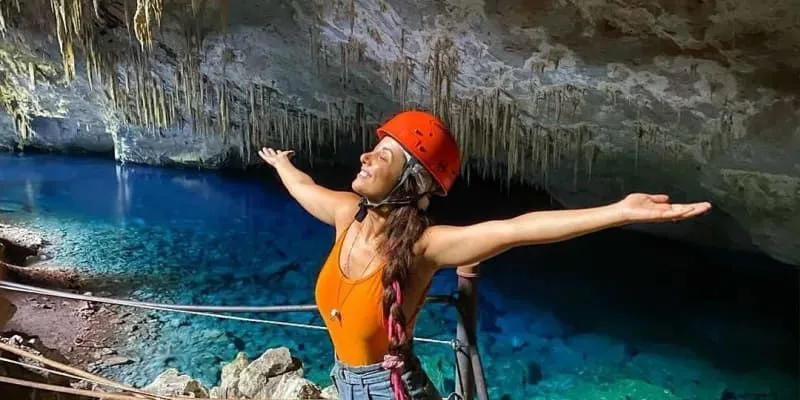
Projeto Jiboia is an environmental education project in Bonito that presents snakes to the public with a talk and guided contact. It is short, covered, works on
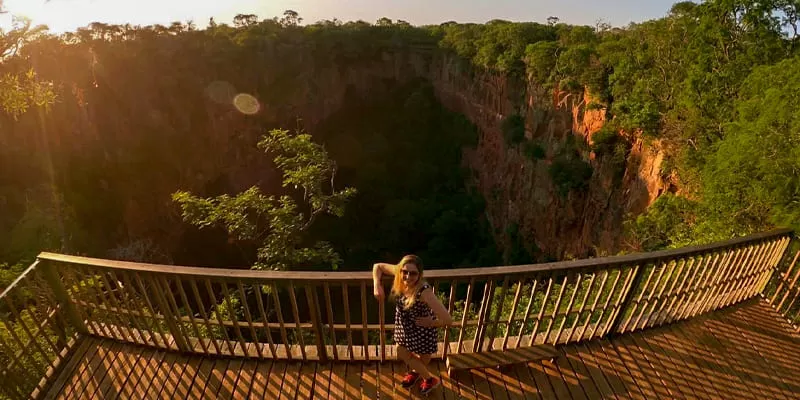
The Buraco das Araras is a vast sinkhole in the municipality of Jardim, on the road to the Rio da Prata, inhabited by red-and-green macaws. The visit is a short
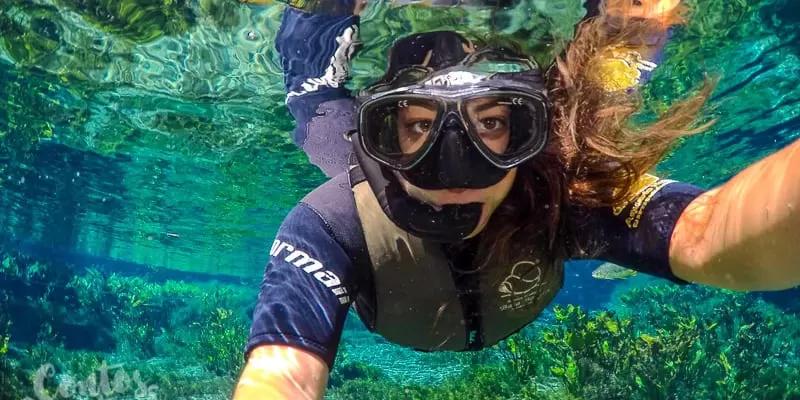
The Aquário Natural sits at the source of the Baía Bonita river, minutes from Bonito. It is the most structured and the shortest float in the region, with a rai