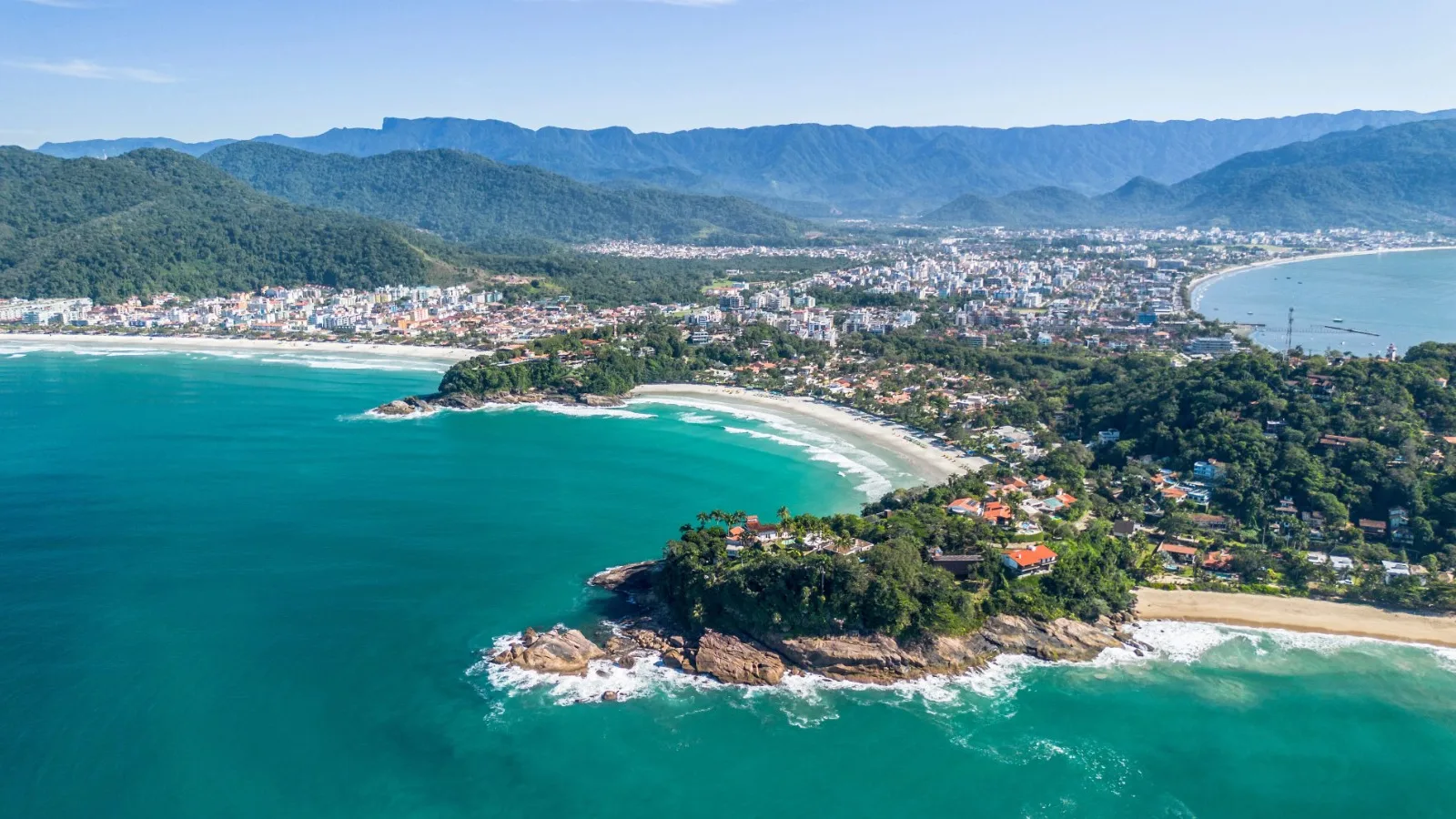
Ubatuba has dozens of beaches along a long, indented coast. They are not interchangeable, and choosing by photograph is how people end up driving an hour to the wrong one.
Ubatuba
Planning a trip to Ubatuba?
Everything on this page comes from the decisions that shape the trip: when to go, where to base yourself and how long the place deserves.
Anyone travelling here tends to check the sky before committing to a day outdoors: Full forecast for Ubatuba.
Ubatuba has dozens of beaches spread along a long, indented coast on the north shore of São Paulo state. They are not interchangeable, and the most common mistake visitors make is choosing one from a photograph and then driving an hour to discover it is the wrong kind of beach for the day they wanted.
A sheltered cove and an open surf beach a few kilometres apart behave like different places. One is warm, shallow and quiet with almost no shore break; the other has waves, current and a stretch of sand you can walk for a long time without meeting anyone.
This page sorts the beaches of Ubatuba by the kind of day rather than by name, because that is the decision you are actually making. Pick the type first, and the specific beach becomes a detail rather than a gamble.
Sort by day, not by name
Every beach on this coast sits somewhere on two axes. The first is exposure: how much of the open ocean reaches the sand, which decides the waves, the current and how cold the water feels when you walk in.
The second is access: whether you park beside the sand, walk down through forest for twenty minutes, or need a boat because there is no road at all. That axis decides how many people share the beach with you, and it correlates almost perfectly with how quiet it is.
Those two together explain nearly everything. A sheltered beach with a car park is busy and easy; an exposed beach at the end of a trail is empty and demanding. Decide which trade you want for that particular day, and the list of dozens becomes a list of four.
The two filters that matter
Before looking at any name, answer these two questions about the day you have:
Who is swimming? Small children and nervous swimmers need a sheltered cove, not an open beach on a swell.
How far will you walk? A twenty-minute forest descent is nothing to some groups and the end of the discussion for others.
Are you carrying gear? Cool boxes, umbrellas and toddlers do not go down a muddy trail.
Do you want food and shade provided, or will you bring your own?
Is the sea up? Swell changes a calm beach less than it changes an exposed one.
What time are you arriving? The popular beaches are a parking problem after mid-morning in high season.
Two minutes on those questions saves an hour in the car and most of the disappointment people report about Ubatuba.
Calm water and a first day
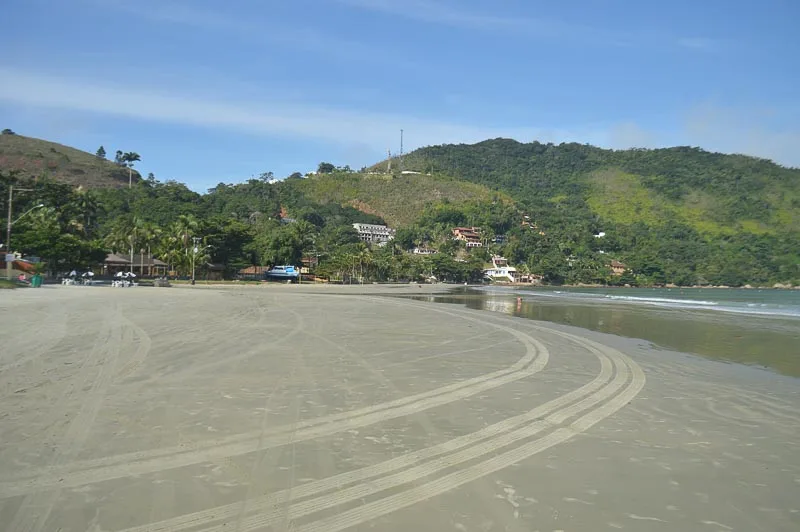
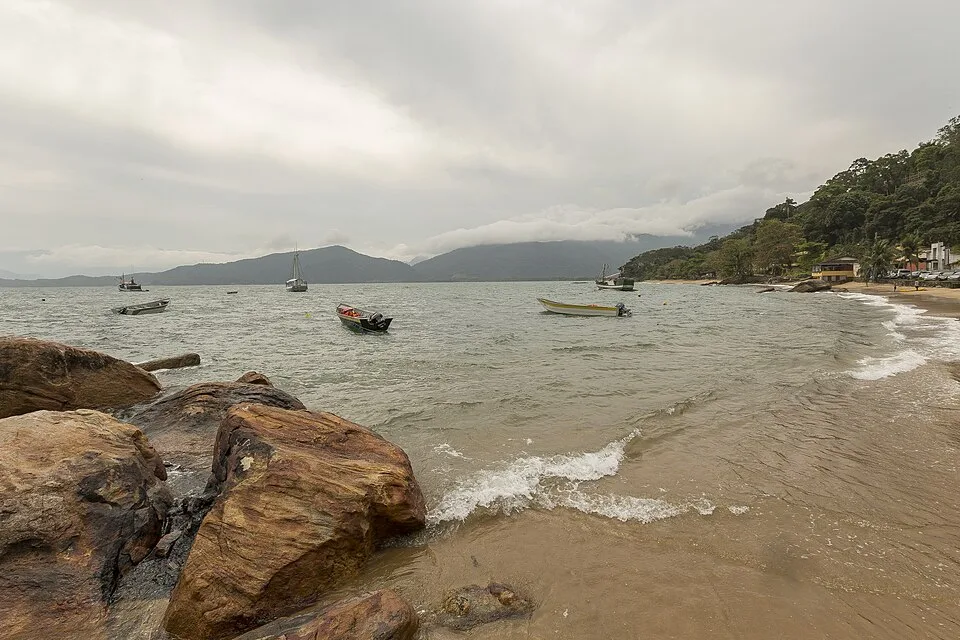
The sheltered coves sit behind headlands that take the swell before it reaches the sand, which leaves warm, shallow water and very little shore break. They are the most forgiving beaches in Ubatuba and the right place to start.
They also have the most structure: parking close to the sand, kiosks, somewhere to eat and shade you did not have to carry. For families with small children, for anyone who is not a confident swimmer and for the first day before you know the coast, this is the category.
The trade-off is that they are the busiest in high season. Arriving after mid-morning in January means parking a long way back and carrying everything, and the same beach on a weekday outside the season is a different and much better place.
Surf and open sea
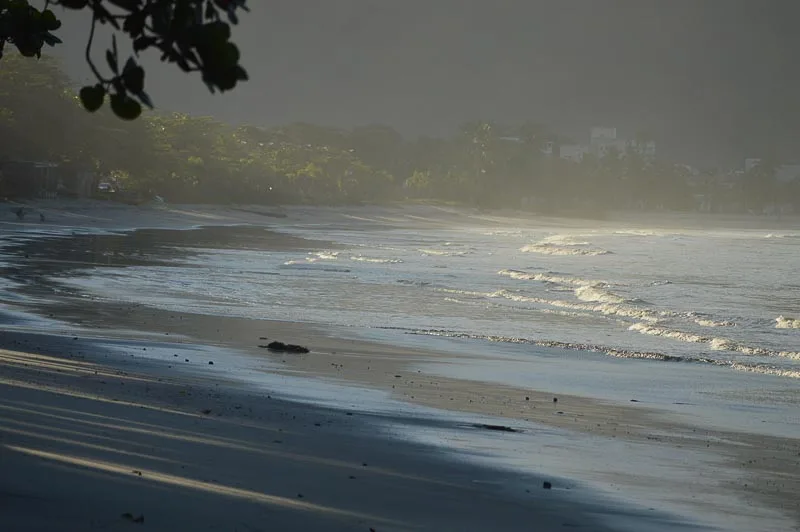
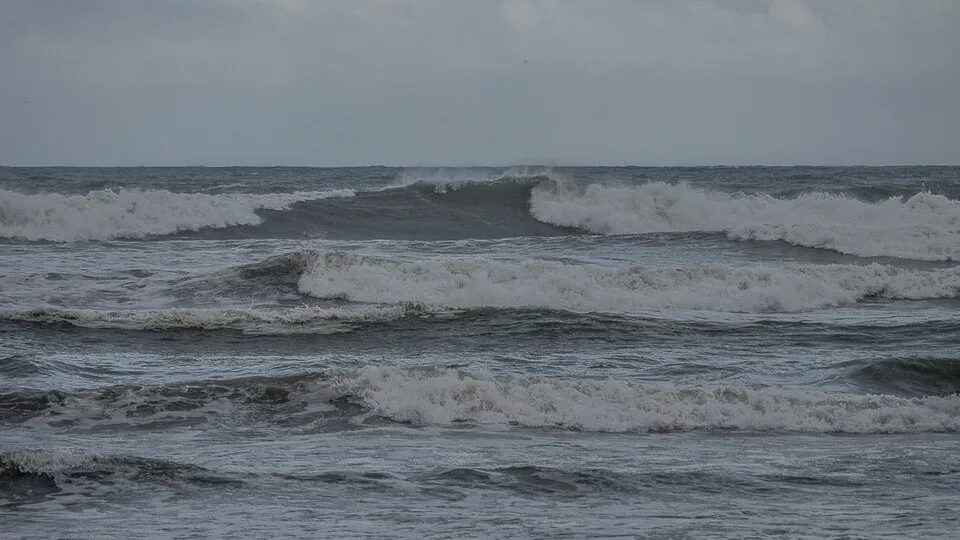
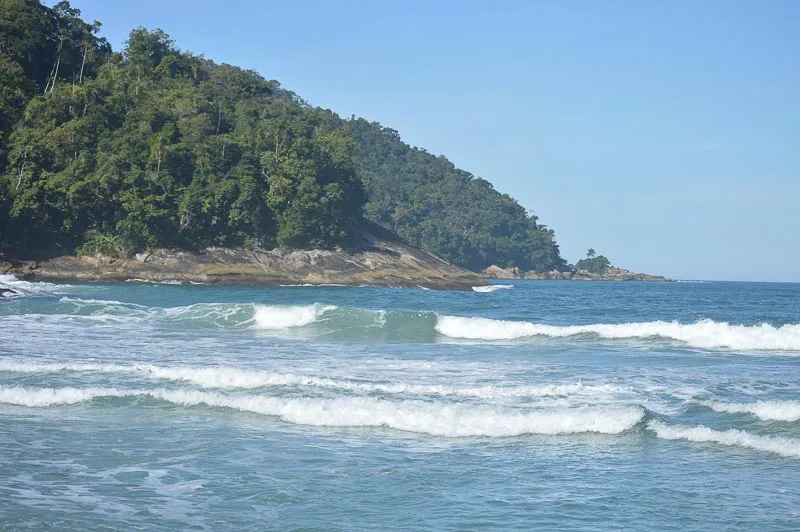
The beaches facing open ocean take the swell directly, and they are the reason Ubatuba has a surf reputation on this coast. Long stretches of sand, consistent waves and far fewer people per metre than the sheltered coves.
They are also where the current is real. Shore break and rip currents are normal here rather than exceptional, and the same beach that is a pleasant swim on a flat morning is a hazard on a big day. Read the flags, ask locally and watch the water for a few minutes before anyone goes in.
For walkers and for anyone who prefers space to structure, these are the best beaches in the municipality. For a family day with young children on a day with swell, they are the wrong choice and no amount of supervision changes that.
Beaches you walk to
Several beaches in Ubatuba are reached only on foot, by trails that drop through Atlantic rainforest from the coastal road above. The walk is usually short but rarely flat, and it stays muddy and slippery for days after rain.
What the walk buys is space. These are the beaches with no kiosk, no parking and a fraction of the people, and on a weekday out of season you may have one entirely to yourself for hours.
Take water and take out everything you take in, including the rubbish. Start early enough that you are not climbing back in the dark, and wear something on your feet that copes with roots and mud rather than sandals.
Beaches with no road
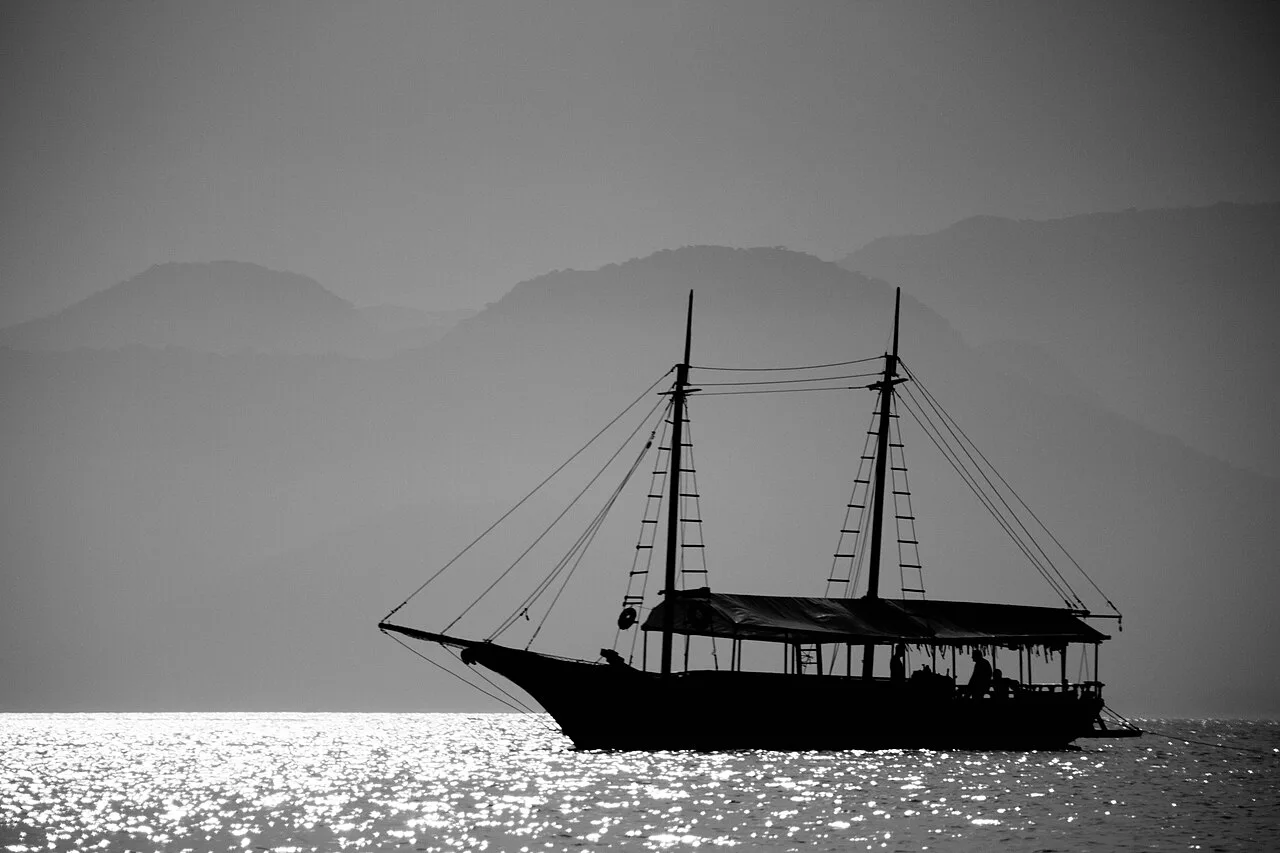
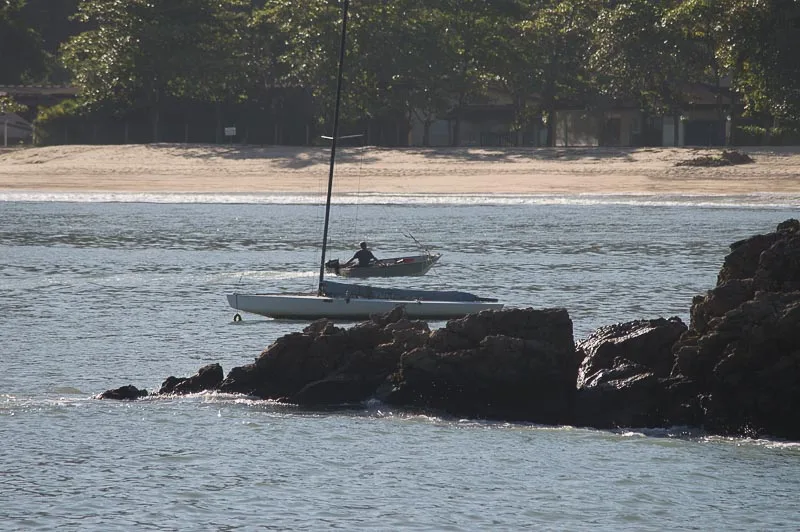
A handful of beaches have neither road nor trail, and a boat is the only way in. You arrange a drop-off and a pick-up, and for the hours in between the beach holds whoever else chose the same day, which is usually nobody.
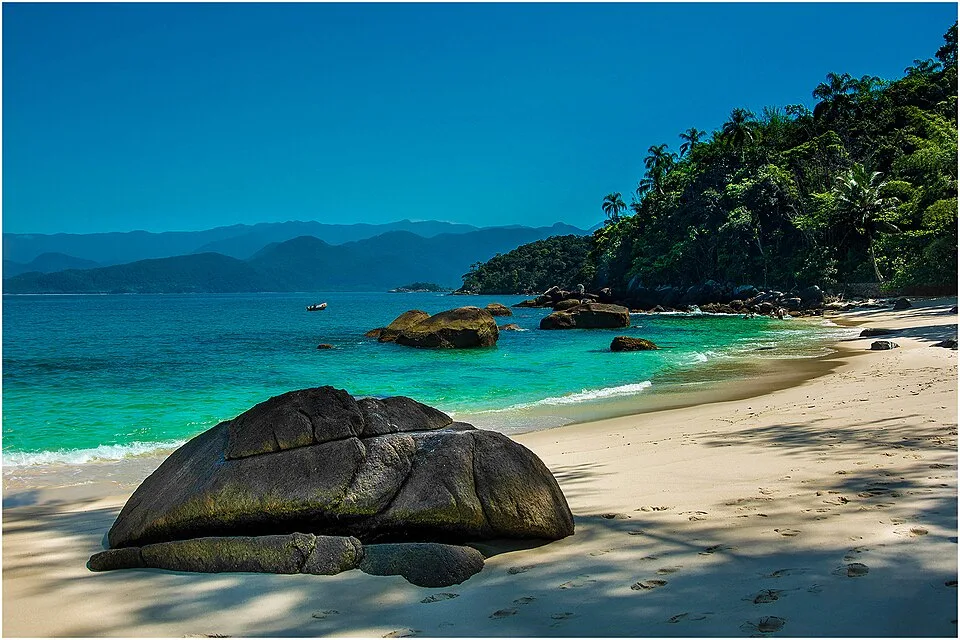
It is the most expensive way to spend a day on the sand in Ubatuba and, on the right day, the one people remember for years. Some of the images that sell this coast were taken on beaches in this category.
Nothing is provided: no water, no shade, no kiosk and no help. Agree the return time clearly before you step off the boat, take more water than you think, and accept that swell can cancel the whole idea on the morning.
Town beaches
The beaches around the centre of Ubatuba are the practical ones rather than the beautiful ones. They have pavements, restaurants, bus stops and everything else within walking distance, and they are where a car-free trip is actually lived.
The water is not the clearest on the coast and the setting is urban, but the convenience is real: a swim before dinner, an afternoon without a drive, and somewhere to be when the weather is too unsettled to commit to a boat.
They are also the right base for anyone staying a short time or without a car. Being able to walk to the sand, to a restaurant and to a bus stop is worth more over three days than a prettier beach forty minutes away.
The far north, towards Picinguaba
The northern end of the municipality, around Picinguaba, is where Ubatuba is at its least developed. The state park reaches the coast here, the village is small, and the beaches feel closer to the Costa Verde beyond than to the town.
It is the quietest and, for many visitors, the most beautiful part of the coast. It is also the furthest from everything: a long drive from the centre, limited services, and the kind of place where you buy what you need before you arrive.
Go for a day if you are based in town, or base yourself there deliberately if quiet matters more than convenience. Without a car it is difficult, and that difficulty is much of why it has stayed the way it is.
Reading the sea before you swim
Rip currents are a normal feature of the exposed beaches on this coast, not a rare event. They form where water pushed onto the beach by waves finds a channel back out, and they run seaward fast enough that swimming against one does not work.
The rule is to swim parallel to the beach until you are out of the current, then come in. Most people caught in one are exhausted by trying to swim straight back, which is the instinct and the wrong response.
Read the flags where there are flags, ask at a kiosk where there are not, and watch the water for a few minutes before letting children in. A beach that looks calm from the road can have a channel running off it, and the person who knows is the one who was there yesterday.
When it rains
This is a rainforest coast, and rain is part of the climate rather than a failure of the trip. It tends to arrive in the afternoon and it can be heavy without lasting, so a wet start does not always end the beach day.
When it does settle in, the waterfalls inland are better in rain than out of it and the forest trails are cooler. Plan the coast for the clear mornings and keep the inland day in reserve rather than fixing it to a date.
What to bring
The town beaches have everything and the good ones have nothing. Assume the second unless you know otherwise:
Water, and more of it than a town beach would make you think.
Shade of your own for the beaches without kiosks, which is most of the ones worth the walk.
Footwear for the trail, not sandals; the descents are roots, mud and rock.
A dry bag for phones and keys, and somewhere safe to leave a car key that is not a shoe.
Cash for the kiosks, which do not all have signal for card machines.
A bag for your rubbish, because several of these beaches have no bins by design.
Ubatuba is a long stretch of the São Paulo north coast where the Atlantic rainforest reaches the sand. It has more beaches than any trip can cover, and where yo
Ubatuba sits on a coast where several beaches and islands have no road to them. A boat here is transport as often as it is a day out, and which trip makes sense