Ubatuba sits on a coast where several beaches and islands have no road to them. A boat here is transport as often as it is a day out, and which trip makes sense depends on the sea that morning.
Ubatuba
Planning a trip to Ubatuba?
Everything on this page comes from the decisions that shape the trip: when to go, where to base yourself and how long the place deserves.
Anyone travelling here tends to check the sky before committing to a day outdoors: Full forecast for Ubatuba.
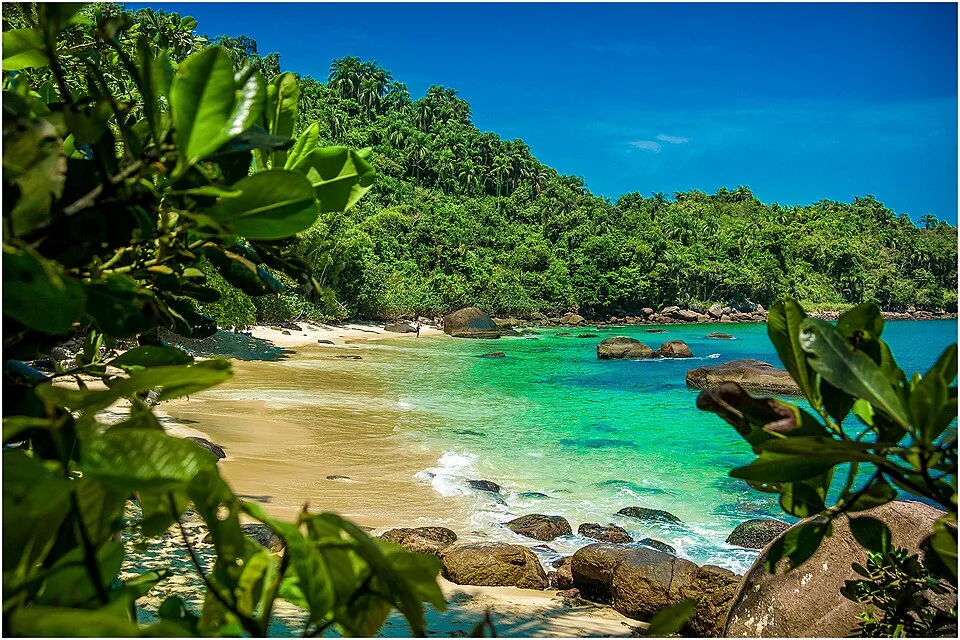
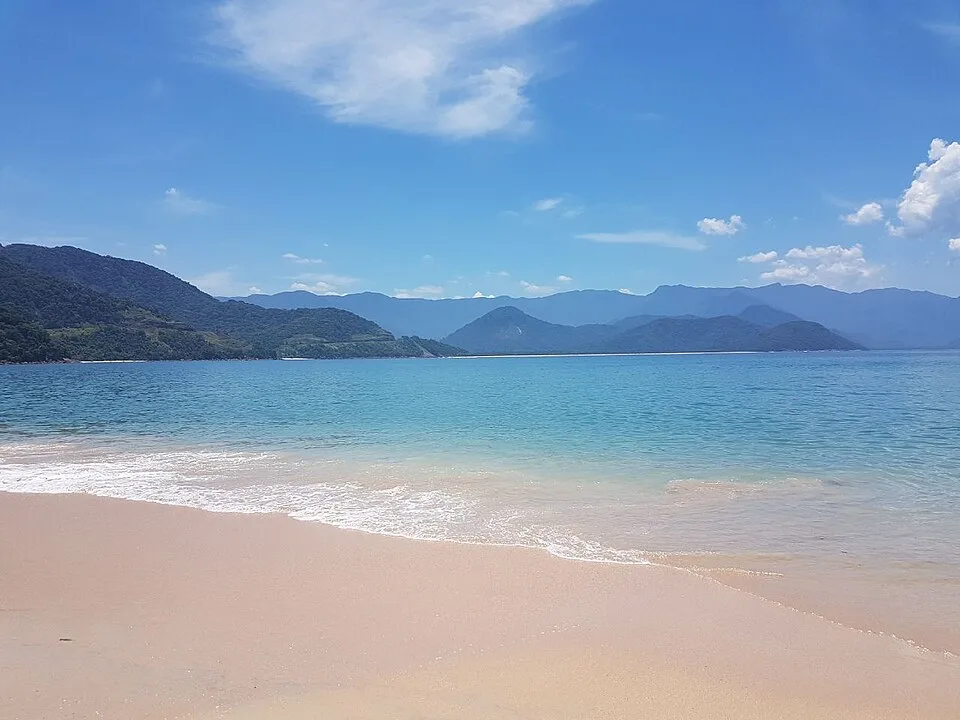
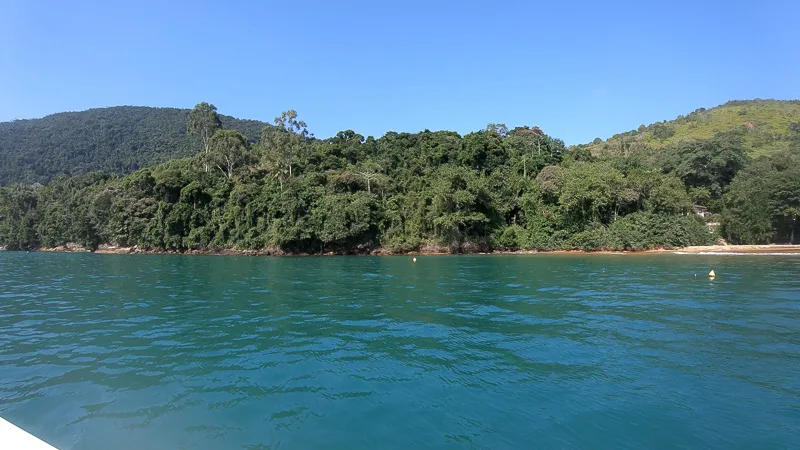
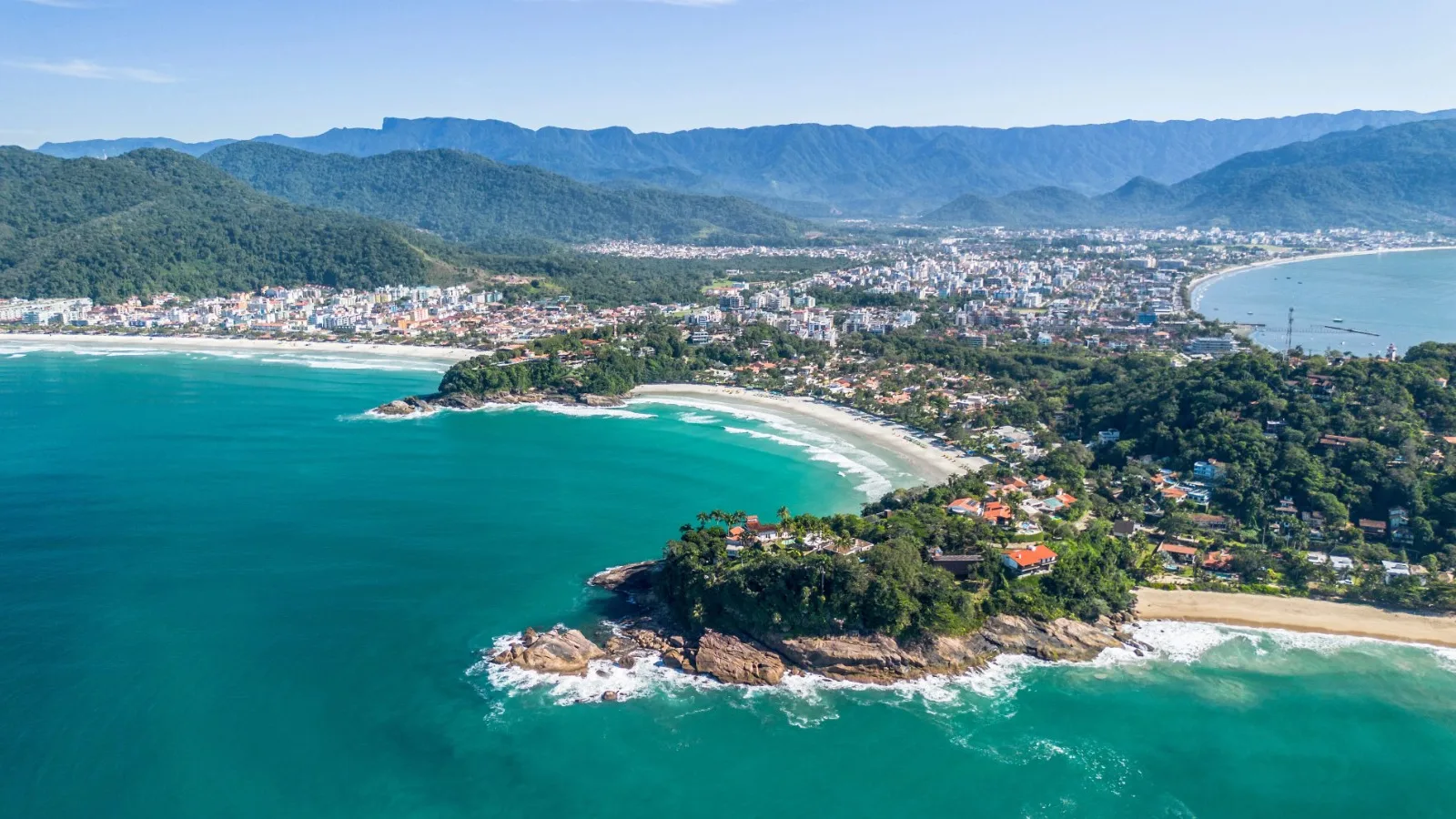
Ubatuba sits on a coast where the Serra do Mar drops almost into the sea, leaving a chain of coves between forested headlands. Several of those coves, and every island off the shore, have no road to them at all. A boat in Ubatuba is therefore transport as often as it is an excursion.
Six kinds of departure leave from this stretch of the São Paulo north coast, and they are not variations on one another. Two are island days, one is a coastal cruise, one is diving, one is a small-island crossing and one is simply a ride to a beach you cannot drive to.
Booking the wrong one is the common mistake. A schooner is not a way to reach a quiet island, and a boat transfer is not a guided tour. This page sets out what each is for, so the day you buy is the day you wanted.
On this coast the boat is the road
Understanding that the boat is the access rather than the entertainment changes how you plan a trip to Ubatuba. It means the crossing is not the treat at the end of the week; it is the thing that unlocks the beaches the road cannot reach, and it deserves a place early in the schedule.
It also changes the budget. A transfer to a road-free beach costs what it costs because someone is running a boat twice for you, and comparing that price with a shared schooner is comparing a taxi with a bus. Both are reasonable; they are not the same purchase.
For anyone visiting Ubatuba without a car, this matters even more. Several of the best beaches have no road anyway, so a car would not have helped, and the departure points are reachable on foot or by municipal bus. The constraint turns out not to be one.
What differs between the trips
The departures look similar on a booking page and behave very differently on the water. These are the variables that decide which suits your day:
Shared or private — a schooner carries a crowd, a transfer carries your group.
Crossing time — some islands are a few minutes offshore, others a real passage.
Whether you choose the stops — on a cruise the boat decides; on a transfer you do.
Structure on arrival — some islands have a kiosk and toilets, others have sand and nothing else.
Visitor caps — the protected sites limit numbers per day and enforce it.
Weather sensitivity — the longer and more exposed the crossing, the more often it is cancelled.
Decide first whether you want a day organised for you or a beach to yourself, and the rest of the choice follows.
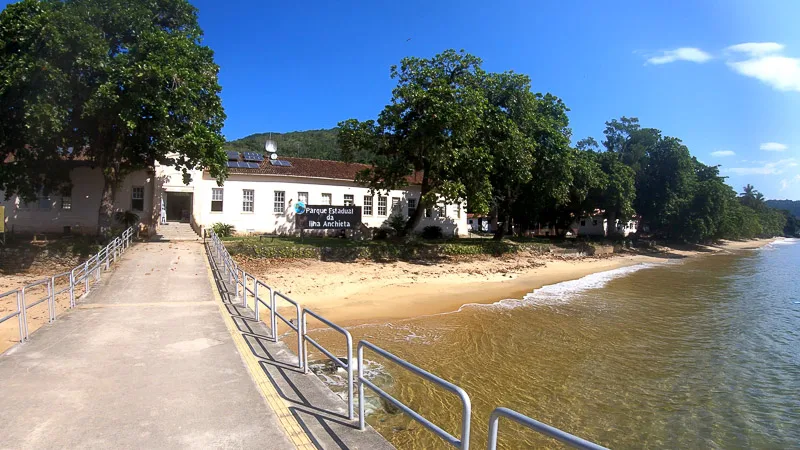
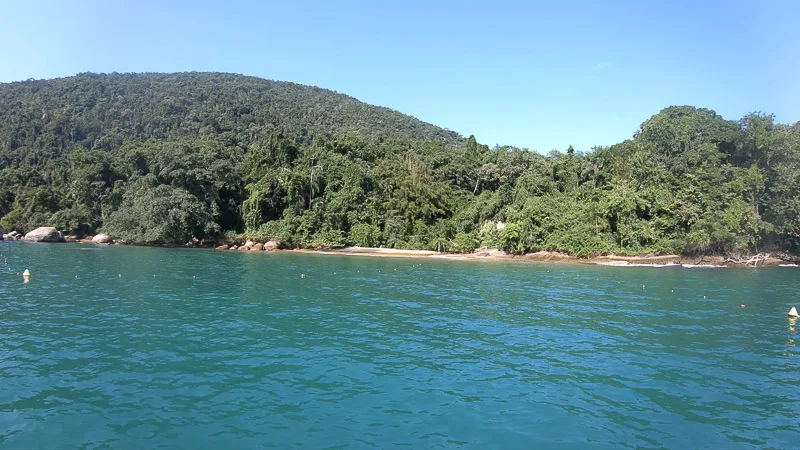
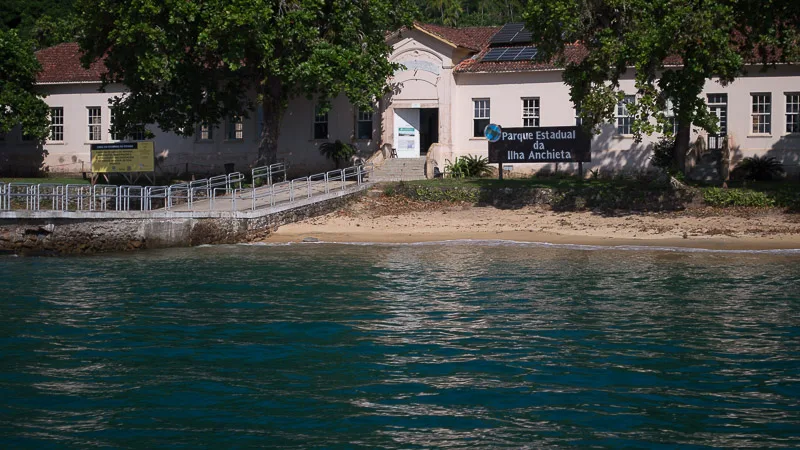
Ilha Anchieta
A state park on an island a short crossing from the mainland, with beaches, marked trails and the ruins of a prison that closed in the middle of the last century. It is the island day with the most to do beyond swimming, and the only one where the history is why some people go.
Access is regulated: there is a daily visitor limit, an entry procedure and rules about where you may walk. The trails lead to beaches on the far side of the island and to viewpoints over the channel, and they take a morning if you want to see more than the landing beach.
Confirm current conditions with the park administration and not only with the boat operator, because it is the park that decides how many people land and on which days. Take water and food; what is available on the island is limited.
Ilha das Couves
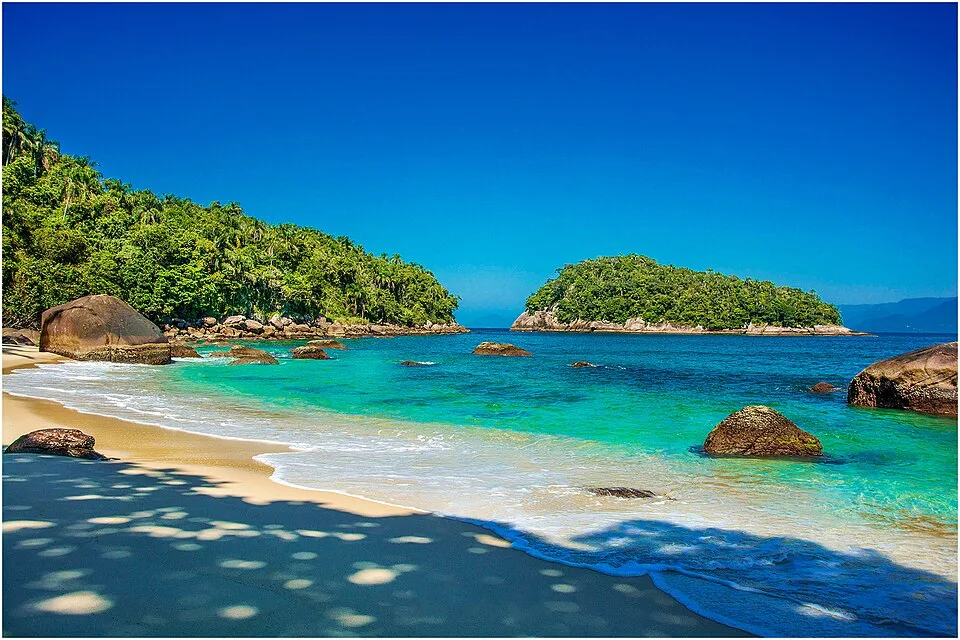
The clear-water island, reached from the northern end of the municipality rather than from the town centre. Crossings are short and leave from a small beach, and the draw is snorkelling over rock rather than a long stretch of sand.
It is small, it has almost no structure and it takes a daily cap on visitors, which is why it remains worth going to. Two beaches face each other across a narrow neck of land, and you can walk between them in a couple of minutes.
Go early, take everything you need for the day, and treat a cancellation for swell as the system working rather than failing. On a flat morning the water here is the clearest on this part of the coast.
Ilha do Prumirim
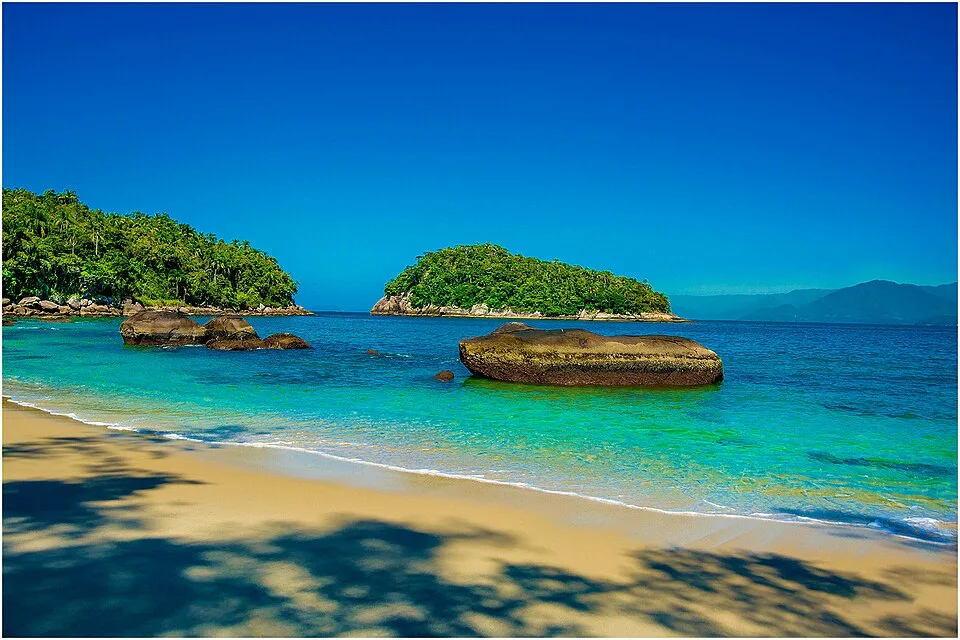
A small island a short crossing from the beach of the same name, in the northern half of the municipality. Boats leave when they have people, the passage takes minutes, and the island is essentially one beach with clear water and rock at either end.
It is the lowest-commitment island day available: no booking window, no long drive, no full-day plan. You go across, spend a few hours and come back, which makes it a good afternoon rather than a whole day.
There is little shade and little structure, so take water and sun protection. Because the crossing is so short, it is also among the least likely to be cancelled when the sea is merely choppy.
Schooner trips
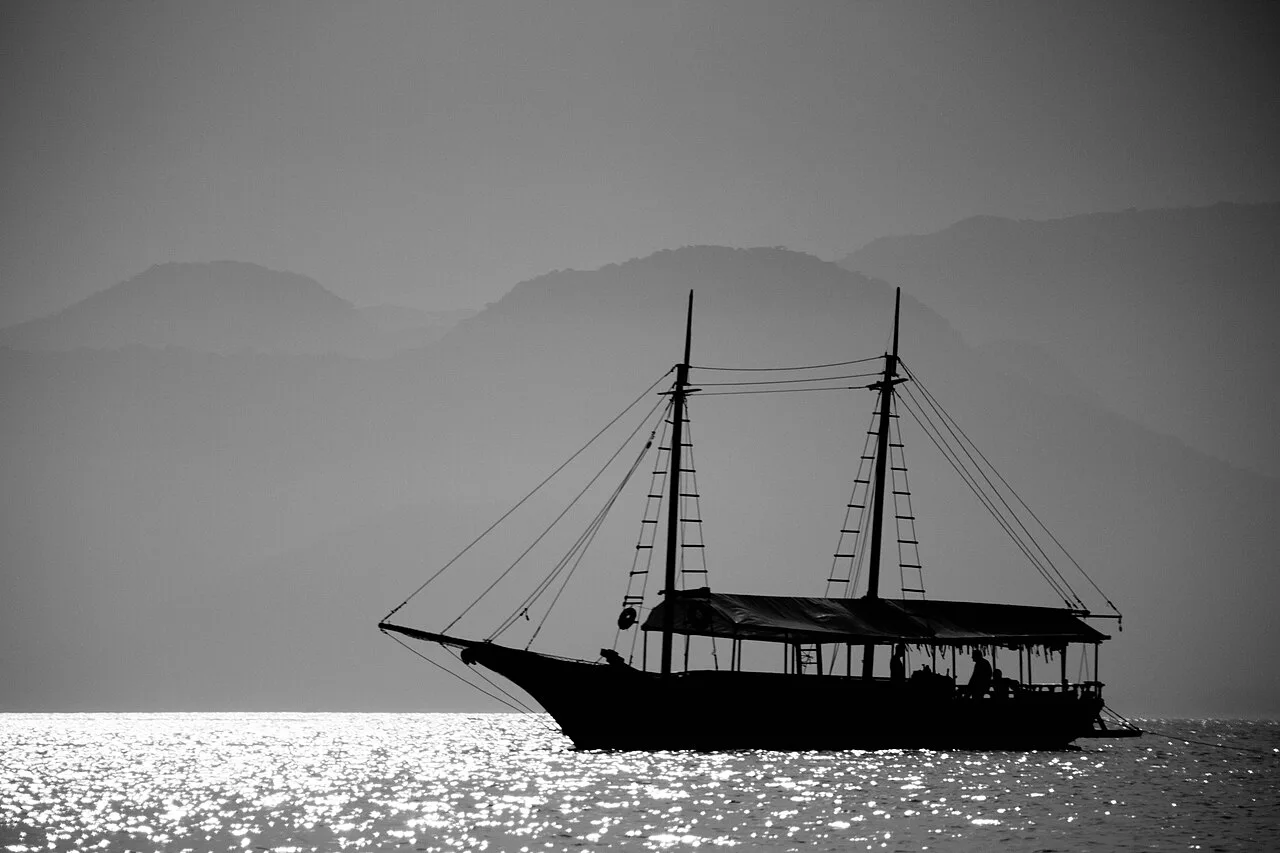
A half day on a larger boat that runs along the coast with stops to swim, usually with food and music on board. It is the least demanding way to see the coastline of Ubatuba and the easiest thing to book at short notice.
It suits a group that wants the day organised for it, and it suits a first visit, when you do not yet know the coast well enough to choose your own stops. The commentary on board is often the first time visitors hear how the islands and the beaches relate to one another.
It does not suit anyone hoping for quiet. These are shared departures with a full deck, the stops are chosen by the boat, and the schedule is the same whether or not the water at a given anchorage is at its best that morning.
Boat transfers
Several beaches on this coast have no road, and the boat that takes you there is transport rather than a tour. You agree a drop-off and a pick-up time, and the beach is yours for the hours in between.
This is the option visitors underuse, and it is the one that changes a trip: it turns a crowded coast into an empty one for a day. It is also the only way to reach some of the beaches that appear on postcards of the São Paulo north coast.
Agree the return time clearly before you step off, and take water, food and shade with you — most of these beaches have none of the three. Confirm how the boatman will reach you if the sea turns, because there is no road out.
Diving
Dive operations run from Ubatuba to the islands and rocky points offshore, where the bottom is rock and the visibility depends on swell and on how recently it rained. Both certified diving and supervised first dives are available.
It is the activity that most rewards picking your day. After a run of calm weather the water clears noticeably; after rain and swell, the same site is a green blur. Operators will tell you this honestly if you ask which sites are working that week.
Certification, medical questionnaires and minimum ages apply and differ between operators. Confirm them when you book rather than on the pontoon, and say upfront if anyone in the group has a relevant condition.
When boats do not run
Crossings are cancelled for swell, for wind and for poor visibility, and the call is made in the morning at the departure point rather than the night before. An operator who runs anyway in bad conditions is not doing you a favour, and a trip called off is a trip that would have been unpleasant at best.
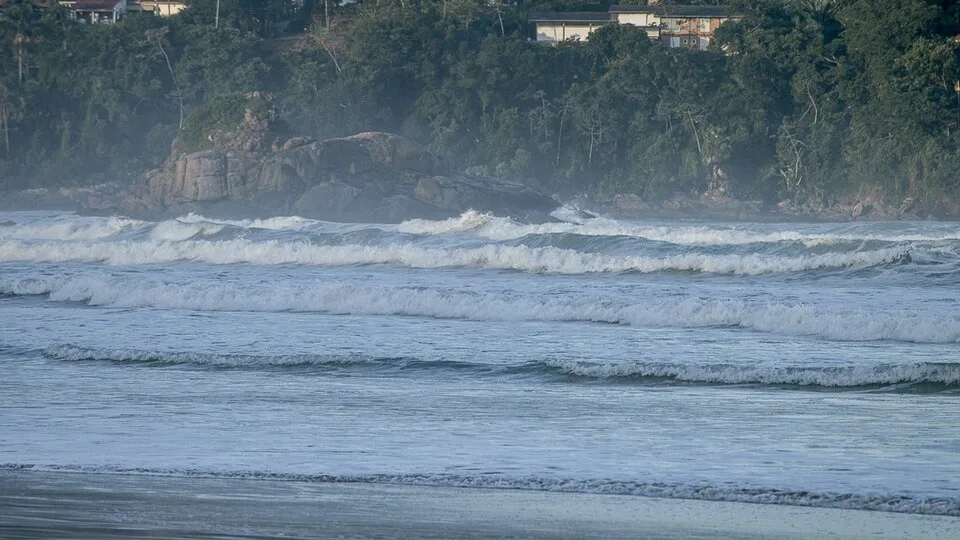
Swell from the south is the usual cause on this coast, and it can arrive under a clear sky with no warning visible from the beach. That is why the decision belongs to the person looking at the water and not to the person holding the booking.
Plan the boat day early in your stay rather than on the last morning, so a cancellation has somewhere to move to. The waterfalls and the rainforest trails inland are the standard replacement, and they are better on exactly the days the sea is not.
What to bring
These are days where you are away from shops and shade for hours, and where anything you forget stays forgotten until the boat comes back:
Water, more than you think — several of these beaches have nothing at all.
Sun protection and your own shade; the boat and the sand both reflect.
A dry bag for phones, documents and anything you would mind losing to spray.
Food, unless the operator states it is included and you have confirmed it.
Cash, since card machines do not work on a beach without signal.
Something warm for the return crossing, which is windier than the outward one.
Leave nothing valuable in an unlocked car at the departure point, and confirm before you board whether there is anywhere on the boat to keep a bag dry.
Ubatuba is a long stretch of the São Paulo north coast where the Atlantic rainforest reaches the sand. It has more beaches than any trip can cover, and where yo
Ubatuba has dozens of beaches along a long, indented coast. They are not interchangeable, and choosing by photograph is how people end up driving an hour to the