
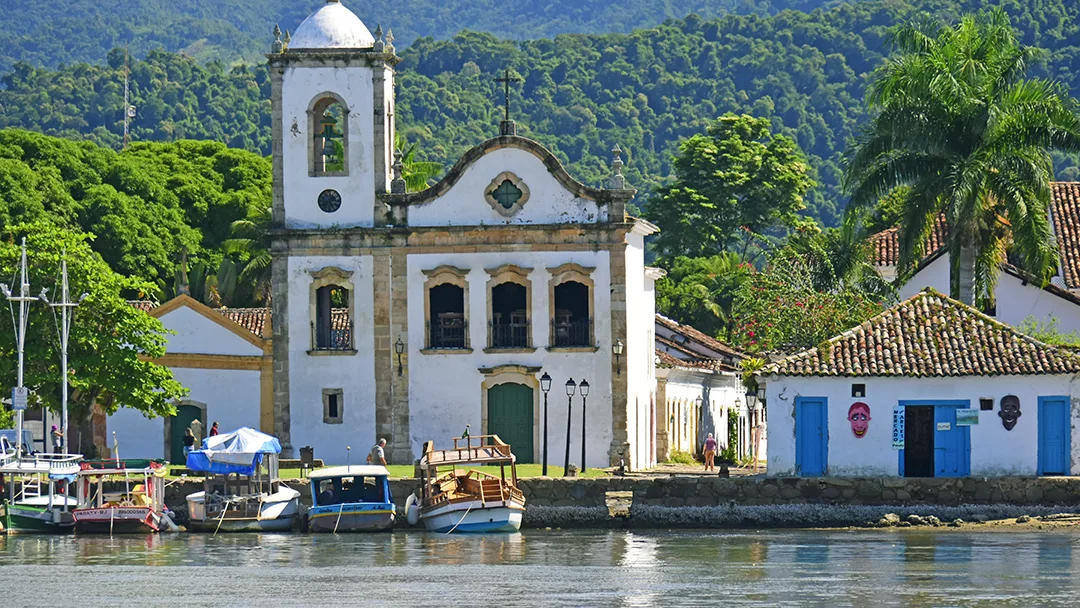
Paraty travel guide
Paraty combines a preserved colonial centre, a bay full of islands and the rainforest of the Serra do Mar. Three distinct kinds of day sit within reach of one b
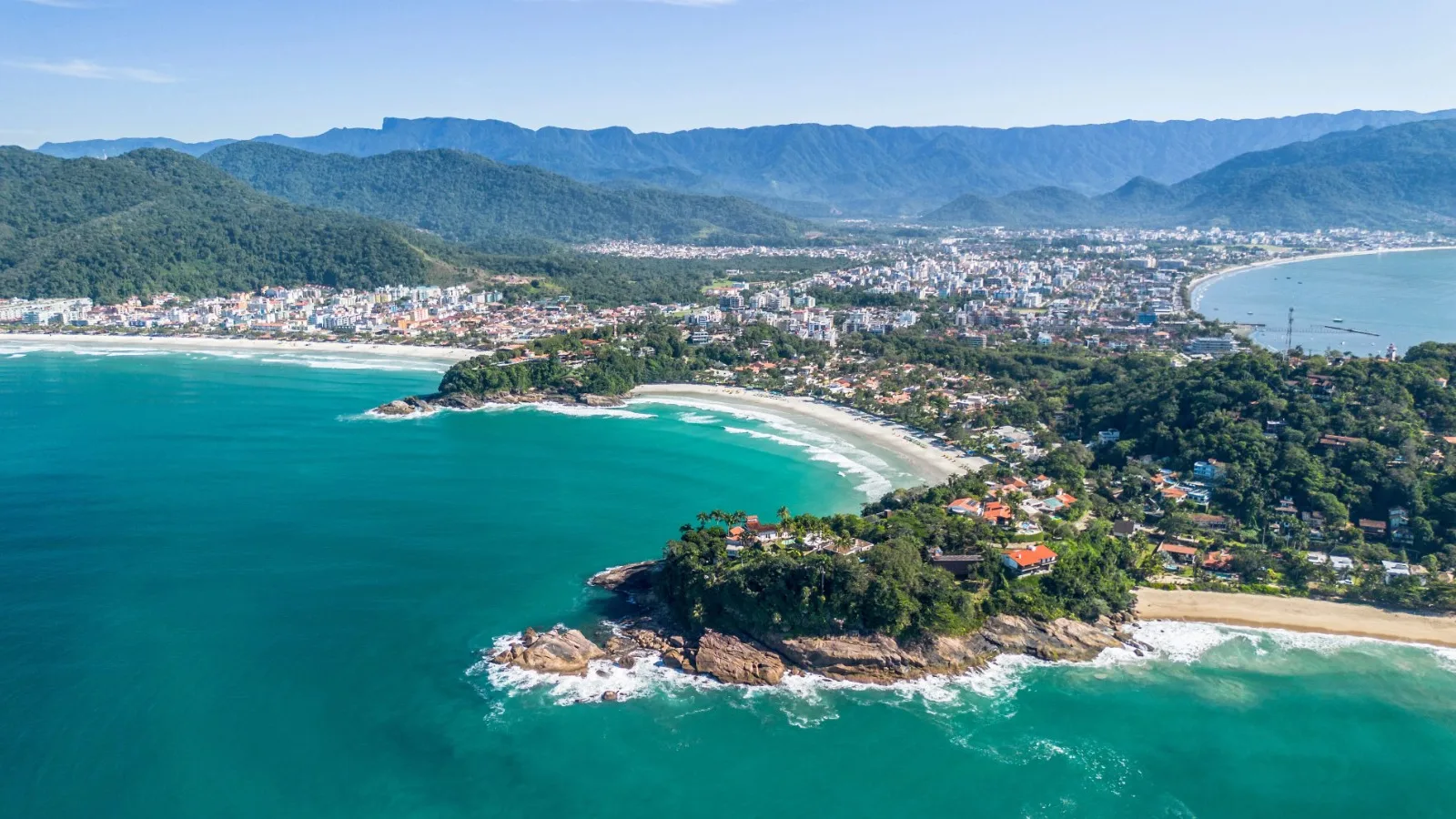
Ubatuba is a long stretch of the São Paulo north coast where the Atlantic rainforest reaches the sand. It has more beaches than any trip can cover, and where you sleep decides which ones you actually see.
Everything on this page comes from the decisions that shape the trip: when to go, where to base yourself and how long the place deserves.
Anyone travelling here tends to check the sky before committing to a day outdoors: Full forecast for Ubatuba.
Read the guideUbatuba occupies the northern end of the São Paulo coast, where the Serra do Mar drops almost directly into the sea. That geography explains the place: the mountains leave little flat land, so the coast is a chain of coves separated by forested headlands rather than one continuous beach.
It also explains the two things visitors get wrong. The beaches are spread along tens of kilometres of a single coastal road, so distances are longer than a map suggests. And the same rainforest that makes the place beautiful is the reason it rains here more than on the coast further south.
The summer months are hot, the sea is warm and the town is full. They are also the wettest months, and the coastal road carries holiday traffic that can turn a short hop between beaches into a long one. If you come then, move early in the day and book accommodation well ahead.
Late autumn through winter is drier, quieter and cooler. The sea is cold enough that swimming becomes a decision rather than a default, but the trails are better, the waterfalls still run and the coast belongs to far fewer people. Spring sits between the two and is the compromise most repeat visitors settle on.
This is the decision that shapes the trip, and it is made before you arrive. The central area and the urbanised beaches near it give you restaurants, buses, boat departures and a supermarket within reach — the base that works without a car and the one that suits a first visit.
The southern beaches are where most family accommodation sits, with calmer water and more structure per beach. The far north, towards the state park, is the quietest and the most beautiful, and it is also where you need a car or a very deliberate plan to move at all.
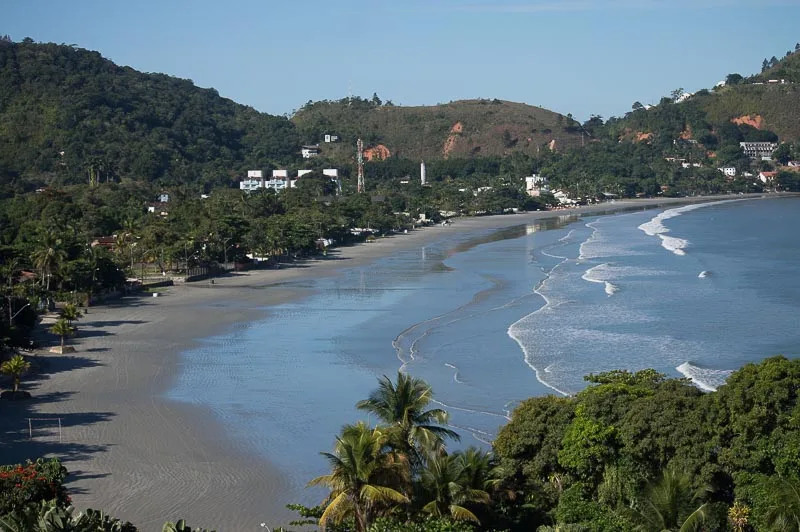
Pick the section of coast first and the room second. A guesthouse an hour from where you want to spend your days is a worse trip than a plainer room in the middle of them.
One road runs the length of the municipality, and everything hangs off it. A car gives you the whole coast and, in high season, gives you the traffic and the parking problem with it. Municipal buses connect the centre with the beaches north and south, with less frequency outside summer.
Boats are the part people forget. Several beaches and the islands have no road at all, so a boat is not a tour but the access — and those are often the days that make the trip. Plan at least one of them, and plan it early enough that bad weather has somewhere to move it to.
Four nights is the point where the trip stops being a rush. That gives you two beach days in the section you chose, one boat or island day, and one inland day for the waterfalls and the forest — which is also the day that absorbs the weather when the sea closes.
A weekend works if you stay near the centre and accept a small radius. Anything longer than a week is better split between here and a second base along the coast, rather than spent driving the same road every morning.
Paraty combines a preserved colonial centre, a bay full of islands and the rainforest of the Serra do Mar. Three distinct kinds of day sit within reach of one b
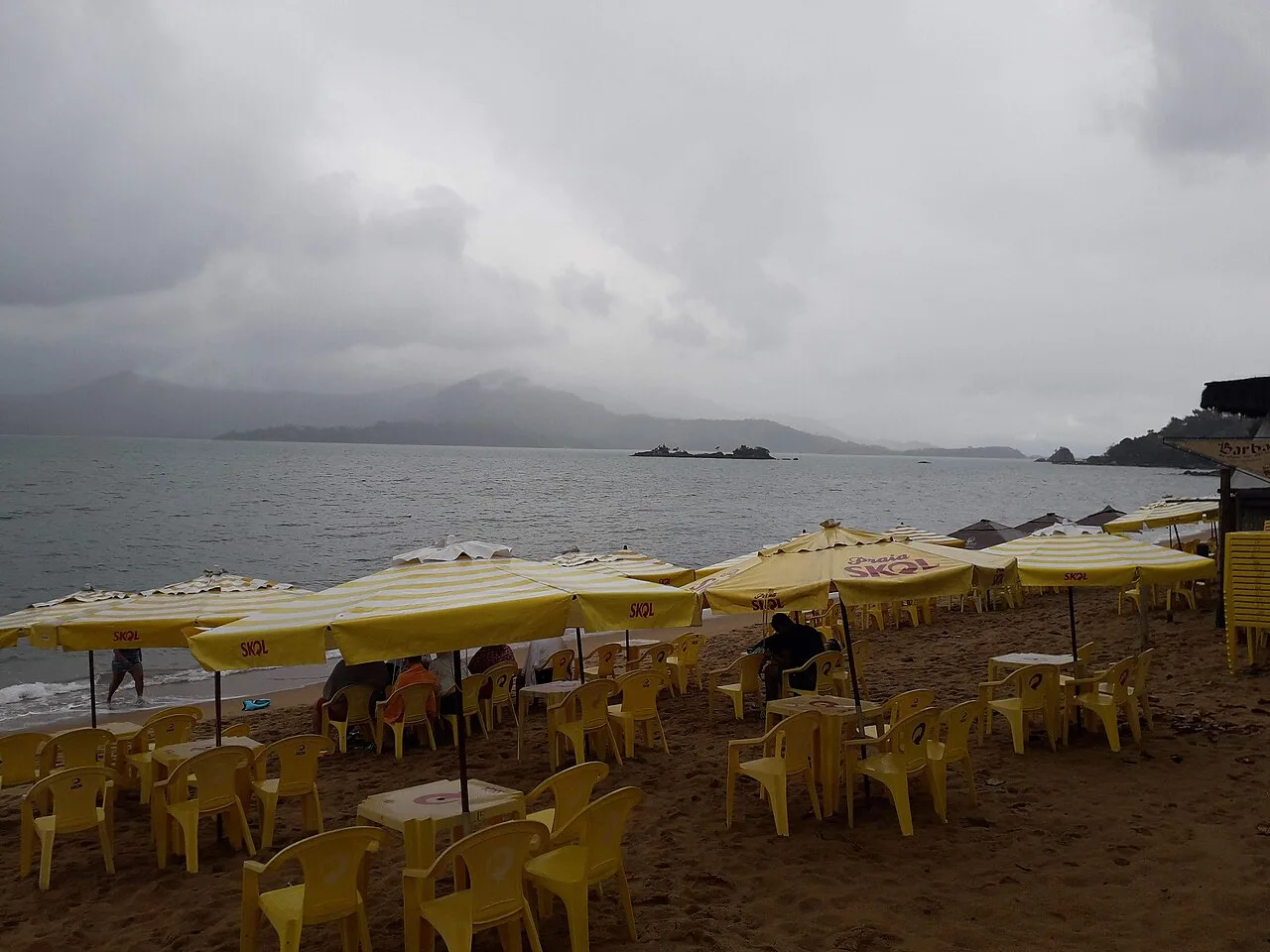
Ilhabela and Ubatuba sit close together on the São Paulo north coast and are genuinely different trips. One is an island you cross to; the other is a coastline