Ilhabela and Ubatuba sit close together on the São Paulo north coast and are genuinely different trips. One is an island you cross to; the other is a coastline you drive along, and almost every other difference follows from that.
Ilhabela and Ubatuba are the two best known destinations on the north coast of São Paulo state, they are close to each other, and visitors planning a first trip to this coast routinely have to choose between them. The choice is genuine: they are not variations on the same place.
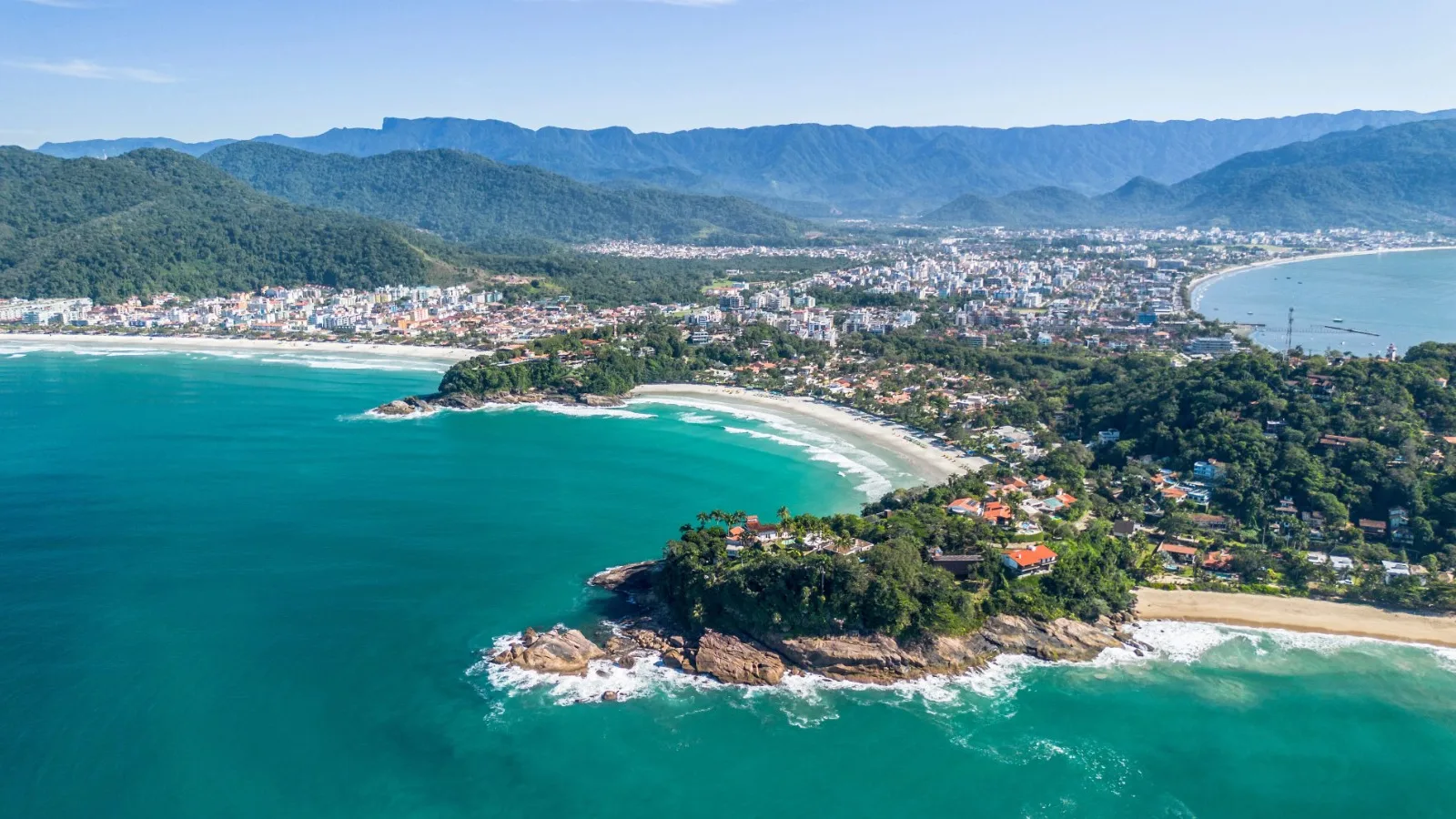
Ilhabela is an island, reached by ferry, mountainous and heavily forested, with most of its surface inside a state park and its developed side facing the mainland. Ubatuba is on the mainland, strung along a coastal road, with a far larger number of beaches spread over a much longer distance.
That single structural difference — an island you cross to, against a coastline you drive along — produces almost every other difference between them. This page works through those differences by criteria rather than declaring a winner, because which one is better depends entirely on the trip you are taking.
Access changes everything
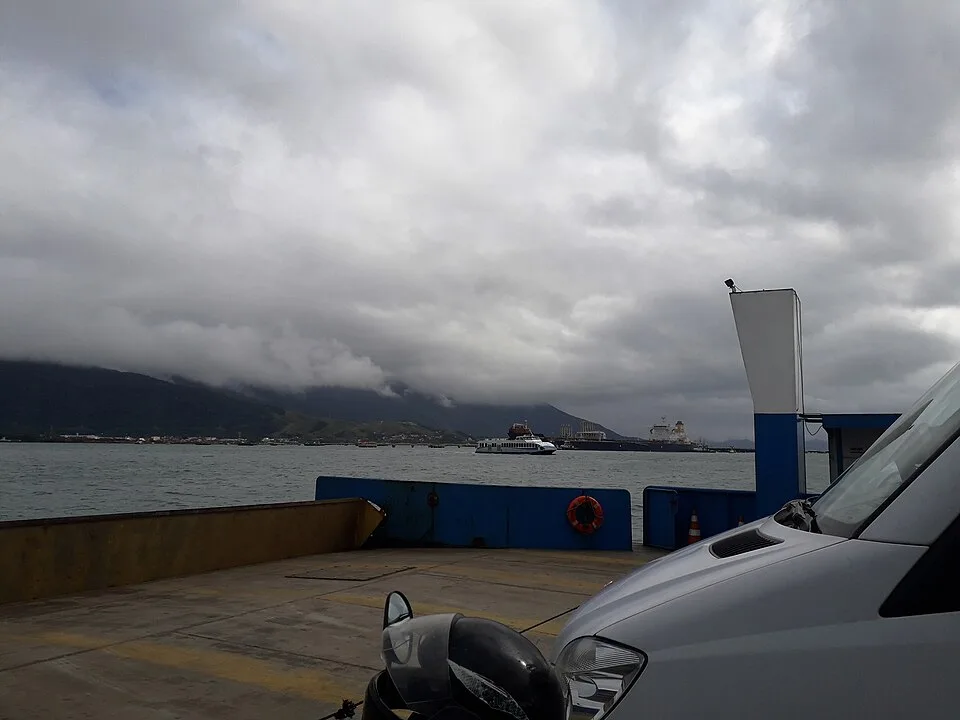
Reaching Ilhabela means a ferry from São Sebastião, and the ferry is the whole planning problem. On ordinary days it is a short and frequent crossing; on holiday weekends and at the start of school holidays the queue of vehicles is long enough to become the memorable part of the journey.
Ubatuba has no such gate. You drive in and you are there, which means arrival is predictable and a change of plan costs nothing. The flip side is that the coastal road through Ubatuba carries the same holiday traffic without a ferry to meter it, so the town is busier at ground level in high season.
If you are travelling without a car, the calculation inverts. Ubatuba has municipal buses along its length and boat departures reachable on foot from the centre; on Ilhabela, the developed strip is walkable but the rest of the island effectively requires a vehicle, and the best beaches require a particular kind of vehicle.
The comparison at a glance
The criteria below are the ones that actually change a trip. Treat the table as a summary of the sections that follow rather than as the answer on its own.
Criterion
Ilhabela
Ubatuba
Getting there
Ferry from São Sebastião; queues on holiday weekends
Straight in by road; no crossing
Size of the area
Compact island; short distances on the developed side
Long municipality; beaches spread over tens of kilometres
Number of beaches
Fewer, and the remote ones are hard to reach
Many, with several categories of access
Sheltered swimming
Strong: the mainland-facing side is calm
Strong: several sheltered coves
Surf
Limited on the developed side; the exposed coast is hard to reach
A defining feature; several open-ocean beaches
Sailing
The main sailing centre on this coast
Present but not the identity of the place
Waterfalls and forest
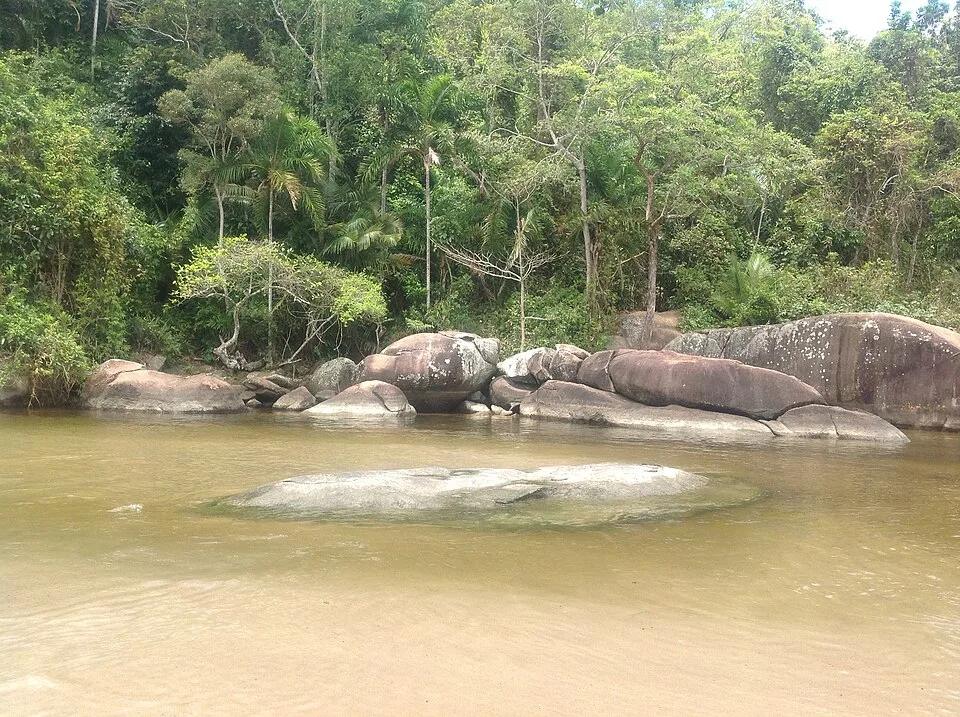
Extensive, and close to the road
Extensive, mostly inland behind the coast
Without a car
Difficult beyond the developed strip
Workable with the right base
Biting insects
Borrachudos are a real and well-known issue
Present but less prominent
Best for
A compact base, sailing, forest close at hand
Variety of beaches, surf, longer stays
Nothing in that table is a verdict. Two of the rows will matter to you and the rest will not, and which two depends on who is travelling.
Beaches and effort
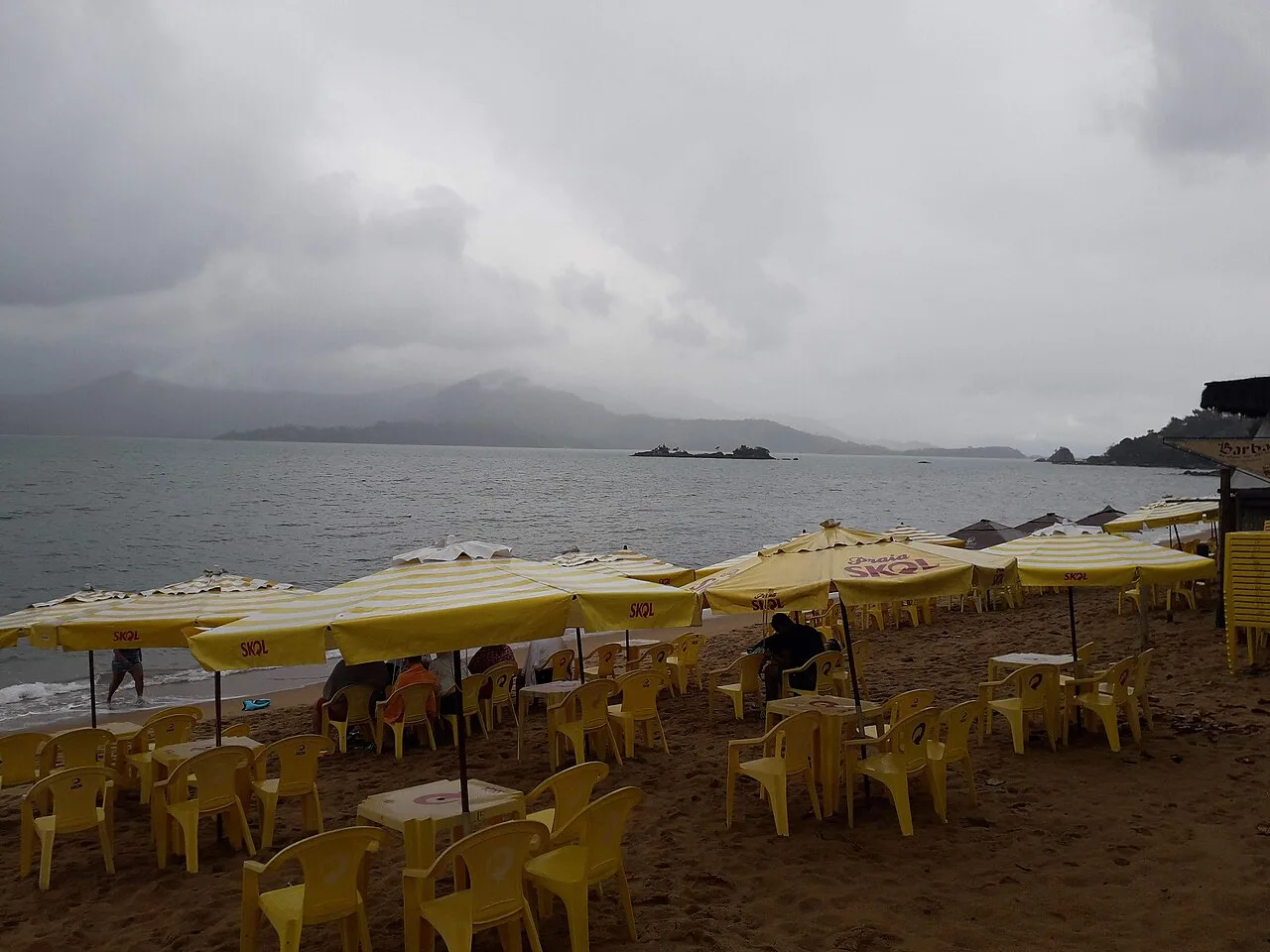
Ubatuba has more beaches, and more kinds of beach. Sheltered coves, open surf beaches, beaches reached on foot through forest and beaches with no road at all are all present within the same municipality, which is why a week there can be genuinely varied.
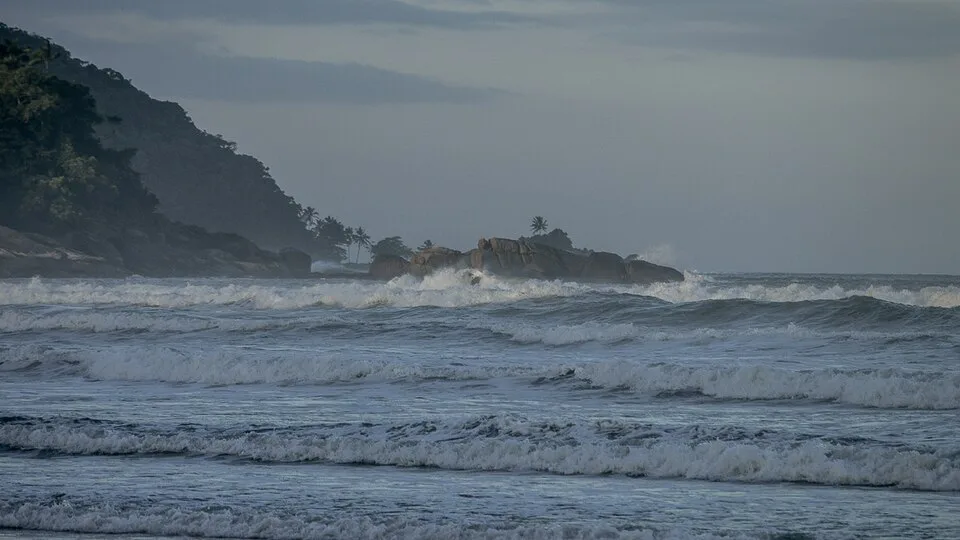
Ilhabela has fewer beaches but a stronger contrast between its two sides. The side facing the mainland is calm, developed and easy; the ocean-facing side is largely undeveloped and reaching it means either a four-wheel-drive track, a boat or a substantial walk.
That asymmetry is the crux. On Ilhabela the spectacular beaches are behind a real barrier, and the day you spend reaching one is a committed day. In Ubatuba the equivalent beaches are also behind a barrier, but the barrier is a trail or a boat rather than a vehicle you probably did not rent.
The one thing nobody mentions
Borrachudos — small biting flies — are a genuine feature of Ilhabela and are discussed by everyone who has been. They concentrate near running water and in shaded forest, they are most active in the warmer months, and the bites itch for days rather than hours.
This is not a reason to avoid Ilhabela, and it is not a myth invented by people who prefer Ubatuba. It is a reason to arrive with repellent, to reapply it, and to expect that a waterfall day in the forest is where you will need it most.
Who each one suits
Rather than a winner, here is who each destination actually serves better. Most travellers recognise themselves immediately in one of the two.
Choose Ilhabela if
You want a compact base where the forest is a few minutes from the sand and you do not need to drive far to change scenery. The developed strip puts restaurants, beaches and trailheads within a short distance of each other, which suits a shorter stay.
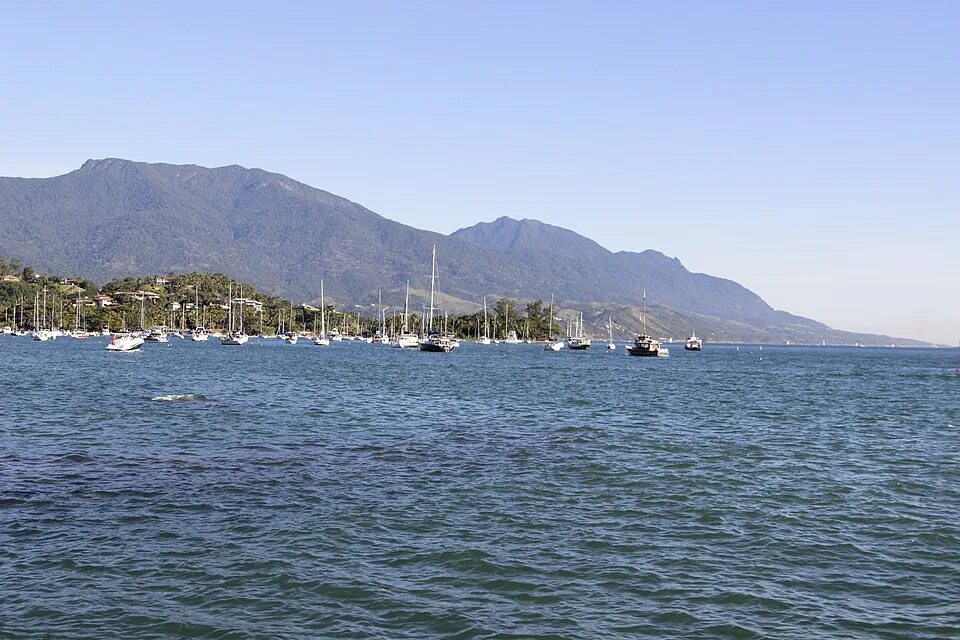
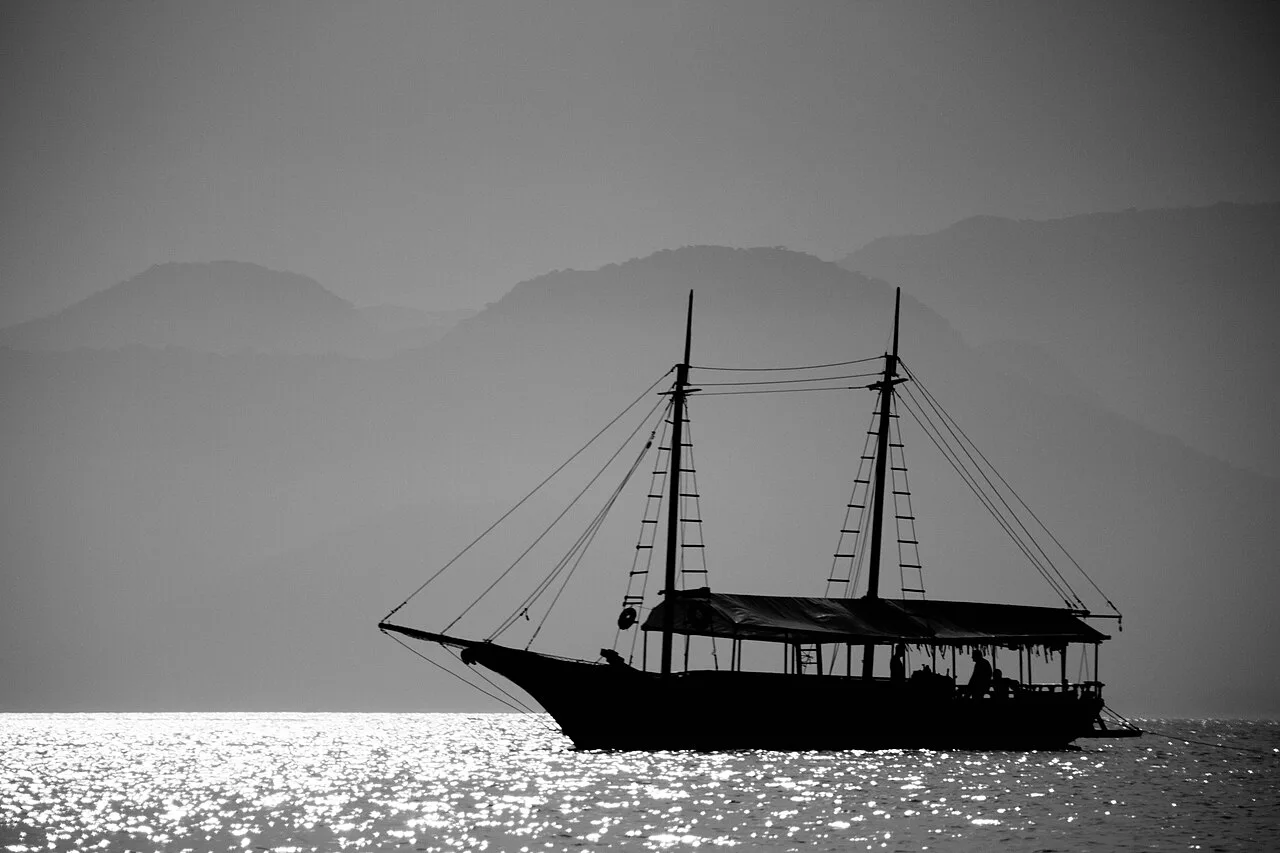
You sail, or you want to. Ilhabela is the sailing centre of this coast, with an established scene and the sheltered channel that makes it possible, and that is genuinely not replicated in Ubatuba.
The idea of an island appeals to you for its own sake, and you accept the ferry as part of the deal. With a four-wheel drive or a boat, the far side of the island is among the best coastline in the state.
Choose Ubatuba if
You want variety and a longer stay. Ubatuba has more beaches and more categories of beach, so a week there does not repeat itself and different members of a group can want different days.
You surf, or someone in the group does. The open-ocean beaches are a defining feature of Ubatuba rather than a hard-to-reach corner, and they are reachable by road.
You are travelling without a car, or you want the option of changing plans on the morning. No ferry, buses along the coast, and boat departures you can reach on foot from the centre.
Doing both in one trip
They are close enough that doing both in one trip is reasonable, and the usual mistake is trying to do it in too few days. Each deserves at least three nights to be more than a drive-through, and the transfer between them takes a meaningful part of a day once the ferry is counted.
The sensible shape for a longer trip on this coast is two bases rather than one plus day trips. Sleep in each, and use the road between them once, rather than crossing back and forth and spending the holiday in traffic and ferry queues.
What this comparison cannot settle
This comparison is built on structural differences that do not change from year to year. There are several things it deliberately does not attempt:
Prices. Accommodation and ferry costs change constantly and vary enormously by season.
Ferry waiting times. They depend on the day, and any number published here would be wrong most of the time.
Which specific beach is best. That is a matter of the sea on the day and of what you like.
Restaurants and nightlife. Both change hands too often for a page like this to be useful.
Current access to particular trails and beaches, which is decided by the park authorities and changes.
Weather in your dates, which is the single biggest variable and the one nobody can give you.
For anything on that list, ask locally in the days before you travel. For the structural questions — ferry or no ferry, one beach type or six, car or no car — this page is the answer, and those are the questions that decide the trip.
Ubatuba is a long stretch of the São Paulo north coast where the Atlantic rainforest reaches the sand. It has more beaches than any trip can cover, and where yo
Ubatuba has dozens of beaches along a long, indented coast. They are not interchangeable, and choosing by photograph is how people end up driving an hour to the