Ubatuba is a beach destination with a mountain behind it. The inland day is not a consolation prize for bad weather — on the days the sea is closed, it is the better day.
Ubatuba
Planning a trip to Ubatuba?
Everything on this page comes from the decisions that shape the trip: when to go, where to base yourself and how long the place deserves.
Anyone travelling here tends to check the sky before committing to a day outdoors: Full forecast for Ubatuba.
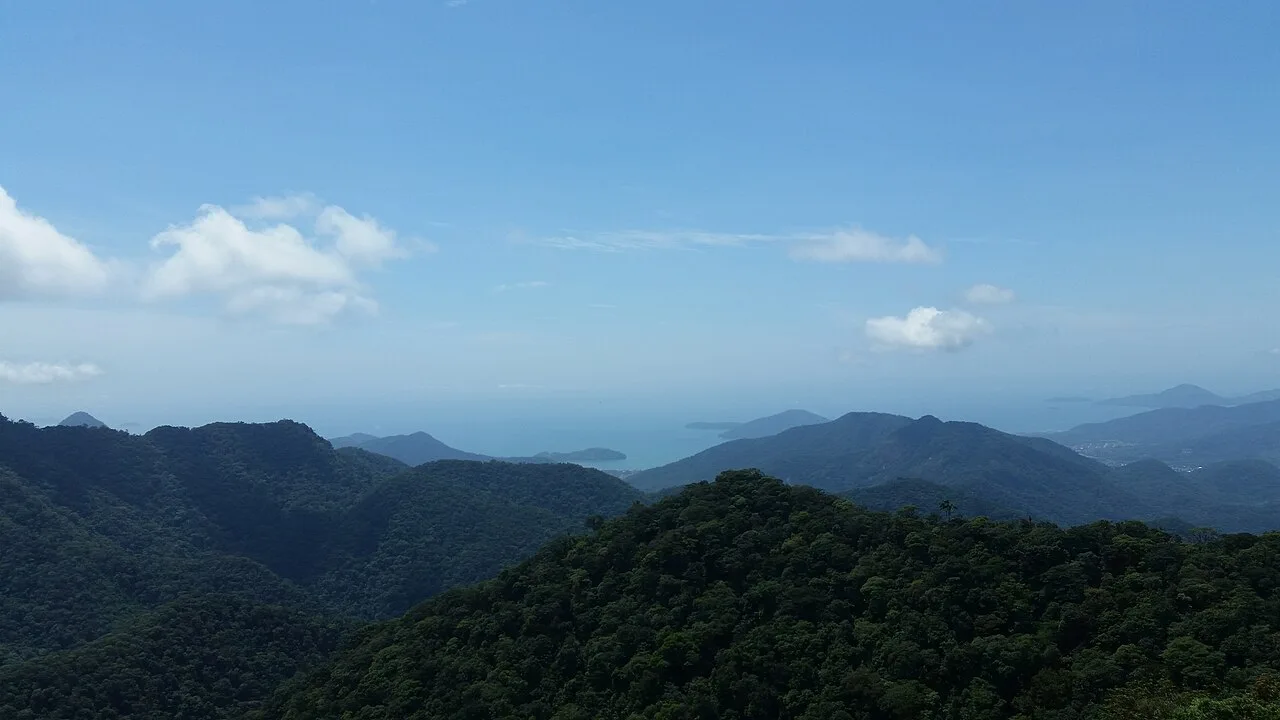
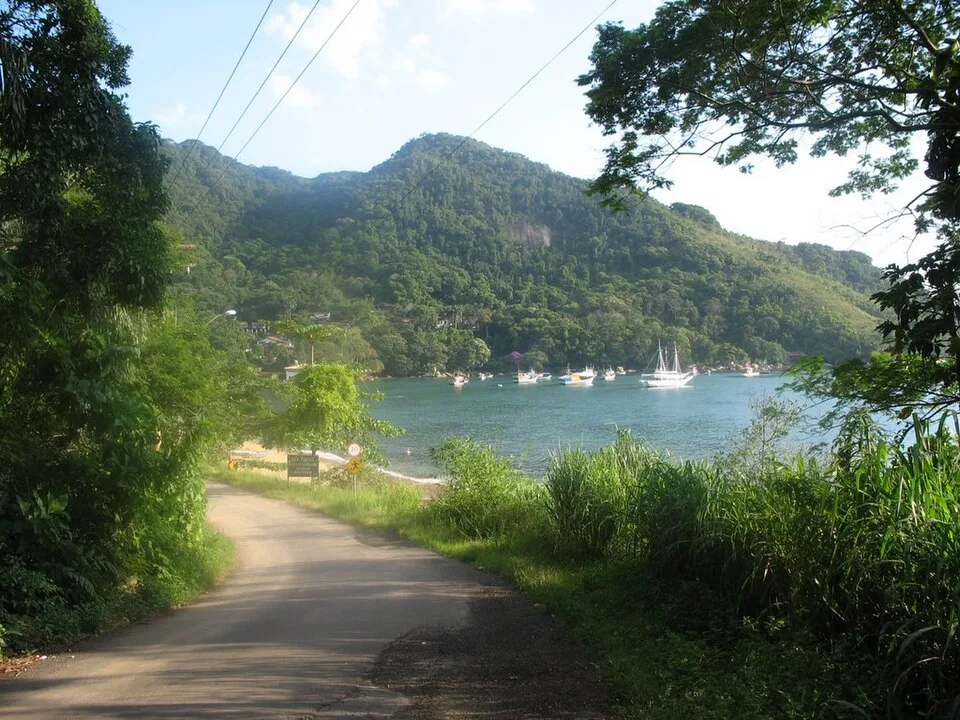
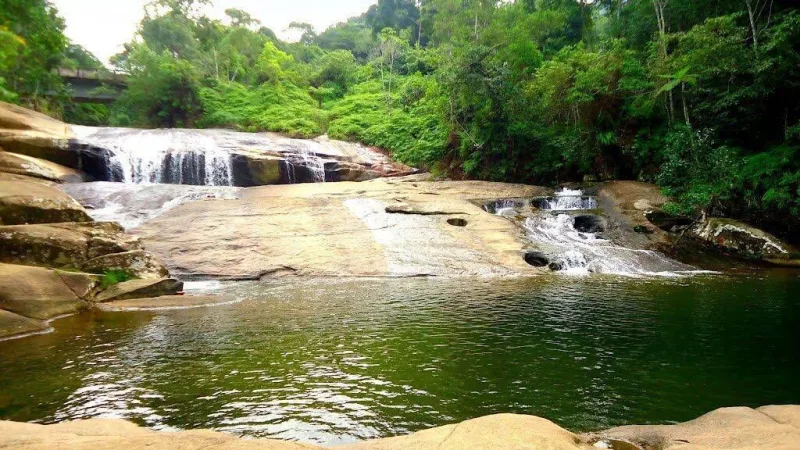
Ubatuba is a beach destination with a mountain behind it. The Serra do Mar rises immediately inland, and the rivers coming off it reach the sea in a very short distance, which is why there are waterfalls within a few kilometres of the sand.
The inland day is not a consolation prize for bad weather. On the days the sea is closed by swell or the sky has settled into rain, it is straightforwardly the better day: the falls run fuller, the forest is cooler and the trails are empty because everyone else went to the beach anyway.
Three kinds of inland day are available in Ubatuba, and they ask for very different amounts of you. Knowing which one you are choosing before you set out is the difference between an afternoon in a pool and a four-hour walk in wet boots.
Why there is so much water behind the beach
The Serra do Mar is the escarpment where the Brazilian plateau drops to the coastal plain, and in Ubatuba it does so almost at the shoreline. Moist air pushed up that slope condenses and falls as rain, which is why this stretch of the São Paulo coast is among the wettest in the state.
That rain feeds short, steep rivers. They have no distance in which to slow down, so they arrive at the sea over a series of rock steps — and those steps are the waterfalls that a visitor drives twenty minutes to reach.
The same geography protected the forest. The slope was too steep to clear for agriculture, so the Atlantic rainforest survives here in a way it did not further inland, and most of what you walk through is inside a state park.
Three kinds of inland day
Sort the options by how much walking you are prepared to do, because that decides everything else about the day:
Roadside falls — a short walk from a car park or a bus stop, pools you can get into, sometimes a kiosk.
Forest trails — an hour or more on foot, inside the state park, reaching falls, viewpoints or beaches with no road.
Indoor visits — the aquarium and the marine conservation base, for the day the rain does not stop at all.
Guides — some park trails require an accredited guide; roadside falls do not.
Season — the falls are fullest in the wetter months, which is also when the trails are muddiest.
With children — roadside falls and indoor visits work; the longer park trails generally do not.
Mixing two of them in a day works, as long as the walking one comes first and the indoor one is the fallback for when everybody has had enough.
Waterfalls near the road
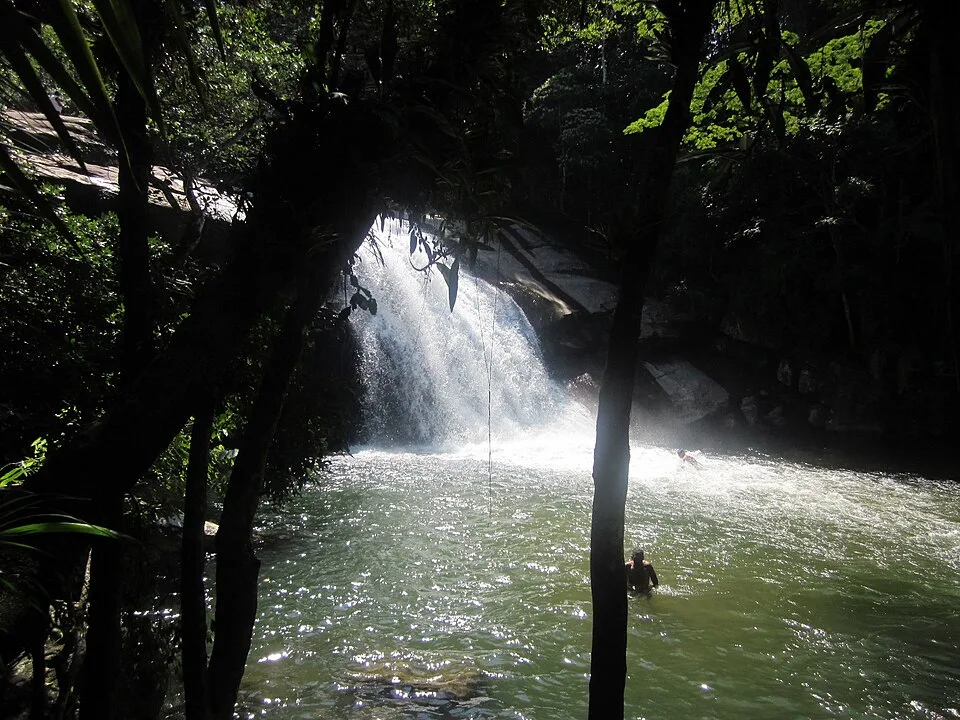
Several falls in Ubatuba sit a short walk from a road or a parking area, with pools deep enough to swim and, at some, a kiosk selling food. They are the easy version of the inland day and the one that works with children or with anyone who does not want a trail.
The water is cold — noticeably colder than the sea — and the rock around the pools is slippery in a way that catches people every season. Shoes with grip matter more here than anything else you bring.
Levels rise fast after rain upstream even when the sky where you are standing is clear. Where a pool is roped off or a local tells you not to get in, that is information about the river rather than caution.
Rainforest trails
The protected forest behind the coast has marked trails, many of them inside the Serra do Mar state park, leading to falls, viewpoints and beaches that have no road. This is the day that asks for shoes, water and several hours.
The forest is dense and the ground is roots, mud and rock, so distances take longer than the same distance would on a path at home. What you get in return is Atlantic rainforest at close range, which is one of the most threatened forest types on the continent.
Some routes require an accredited guide and some require booking in advance, and both rules exist for the same reason: this is terrain where a wrong turn is expensive. Check what applies to the specific trail rather than to the park as a whole.
Núcleo Picinguaba
The coastal section of the Serra do Mar state park, at the northern end of the municipality, where the protected forest reaches the sea. It is the part of Ubatuba where the landscape looks most like what the whole coast used to be.
Trails here link the village, the beaches and the forest above, and several of them are among the best walks available on this part of the coast. There is a visitor structure, and access to some areas is controlled.
It is a long drive from the centre of Ubatuba, so treat it as the day rather than as an afternoon. Confirm which trails are open and whether a guide is required before you set out, because both change.
Aquário de Ubatuba
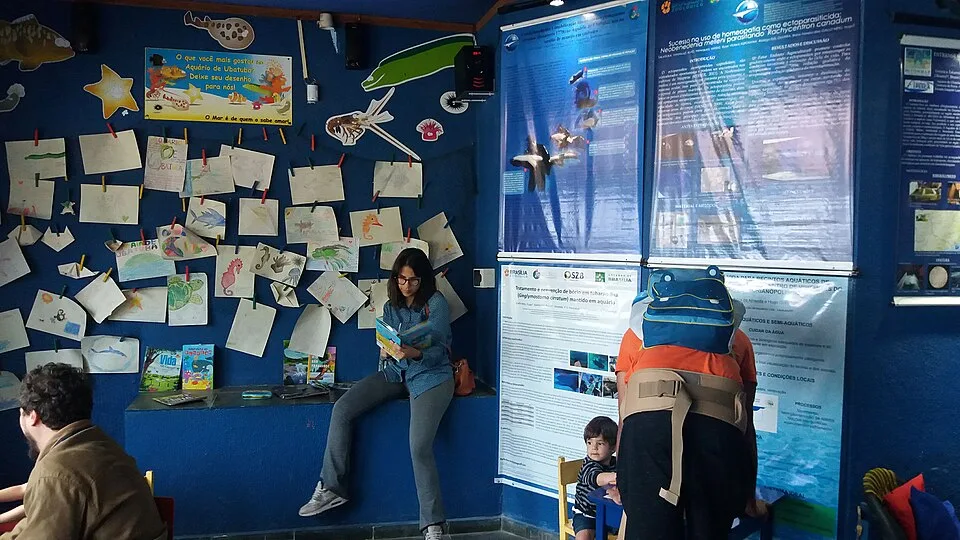
An aquarium in the centre of town holding marine and freshwater species from this coast, with tanks you can walk around and explanations of what lives offshore. It takes an hour or two and it is entirely indoors.
It is the standard answer to a full day of rain with children, and the most convenient thing in Ubatuba to reach without a car. Being in the centre, it also fits into a gap between other plans rather than requiring a day.
Go before a snorkelling day rather than after. Knowing what you are looking at turns a reef into several identifiable species, and that applies to a rocky point off Ubatuba as much as anywhere else.
Sea turtle conservation base
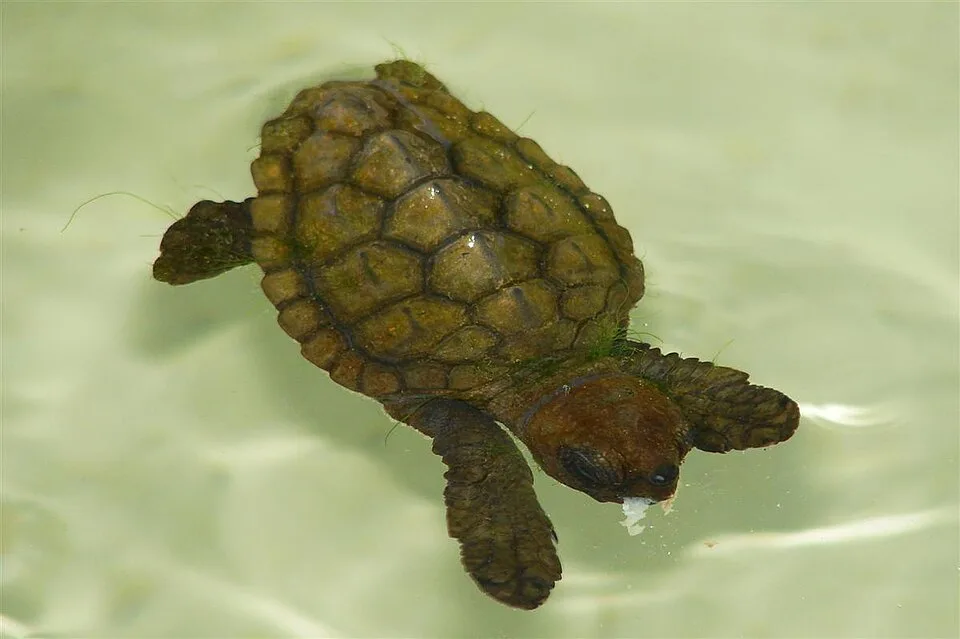
A conservation project working with sea turtles maintains a base in Ubatuba with an area open to visitors, where the work is explained and some of the animals in care can be seen. It is the more interesting of the two indoor options if you want to understand the coast rather than only look at it.
The explanation is the value. Understanding why certain beaches here have nesting restrictions in season, and what happens to a turtle that swallows plastic, changes how you read the coast for the rest of the trip.
It works well with children and it works in rain. It also runs on a schedule rather than being open-ended, so confirm visiting hours before you make the trip across town.
Caiçara culture
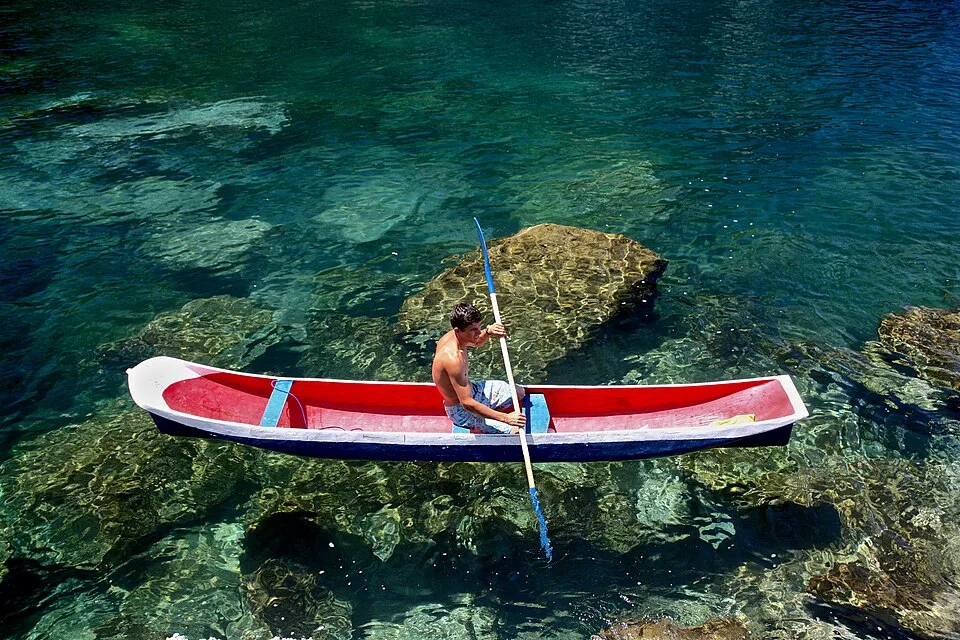
The caiçara are the coastal communities of this part of Brazil, descended from Indigenous, Portuguese and African ancestry, whose livelihood was fishing and small-scale agriculture long before tourism arrived. Several communities on this coast are still there.
Where a community organises visits itself — a meal, a boat, a walk explained by someone who lives there — it is among the most worthwhile things available in Ubatuba. Where it does not, a community is not an attraction and should not be visited as one.
Ask who is running what you are booking. A visit arranged by the community is a different transaction from one arranged about the community, and the difference is visible in who answers your questions and who is paid.
Waterfalls are not swimming pools
The rivers behind Ubatuba are short and steep, and they respond to rain in the hills within minutes rather than hours. A pool that is calm when you arrive can be moving hard by the time you have eaten lunch beside it.
The sky above you tells you nothing. Rain falling on the escarpment a few kilometres inland arrives as a rise in the water long before you see a cloud, and that is how people are caught out here every season.
Get out of the water if the level rises or the colour changes, do not jump into a pool whose bottom you have not seen, and treat a closed area as a decision made by someone who has watched that river longer than you have.
Using this as a plan B
Do not fix the inland day to a date. Keep it loose and spend it on the morning the boat is cancelled or the swell closes the beach you wanted, which is exactly when the falls are at their best and the forest at its coolest.
That also solves the other problem. Waterfalls near the road in Ubatuba are busy on sunny weekends and almost empty on grey ones, so the day nobody else wants is the day they are worth going to.
What to bring
Assume nothing is provided except at the aquarium and the roadside falls with kiosks:
Closed shoes with grip that can get wet — wet rock beside a waterfall is the most slippery surface on this coast.
Swimwear under your clothes and a dry change for the drive back.
Water and food for the trail days; there is nothing to buy inside the park.
Insect repellent, applied before you set out.
A dry bag for phones — humidity alone will get into a pocket here.
A light waterproof, because this is a rainforest and the forecast is a suggestion.
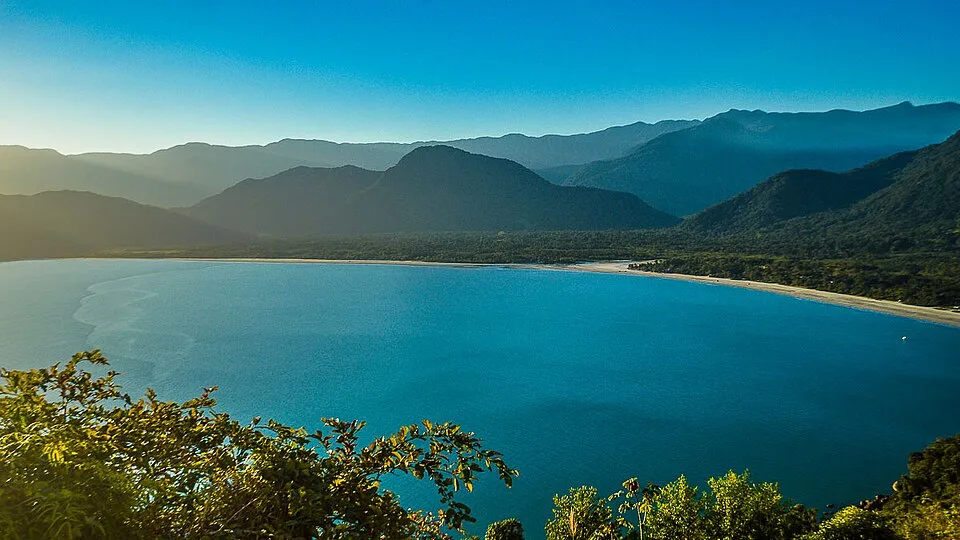
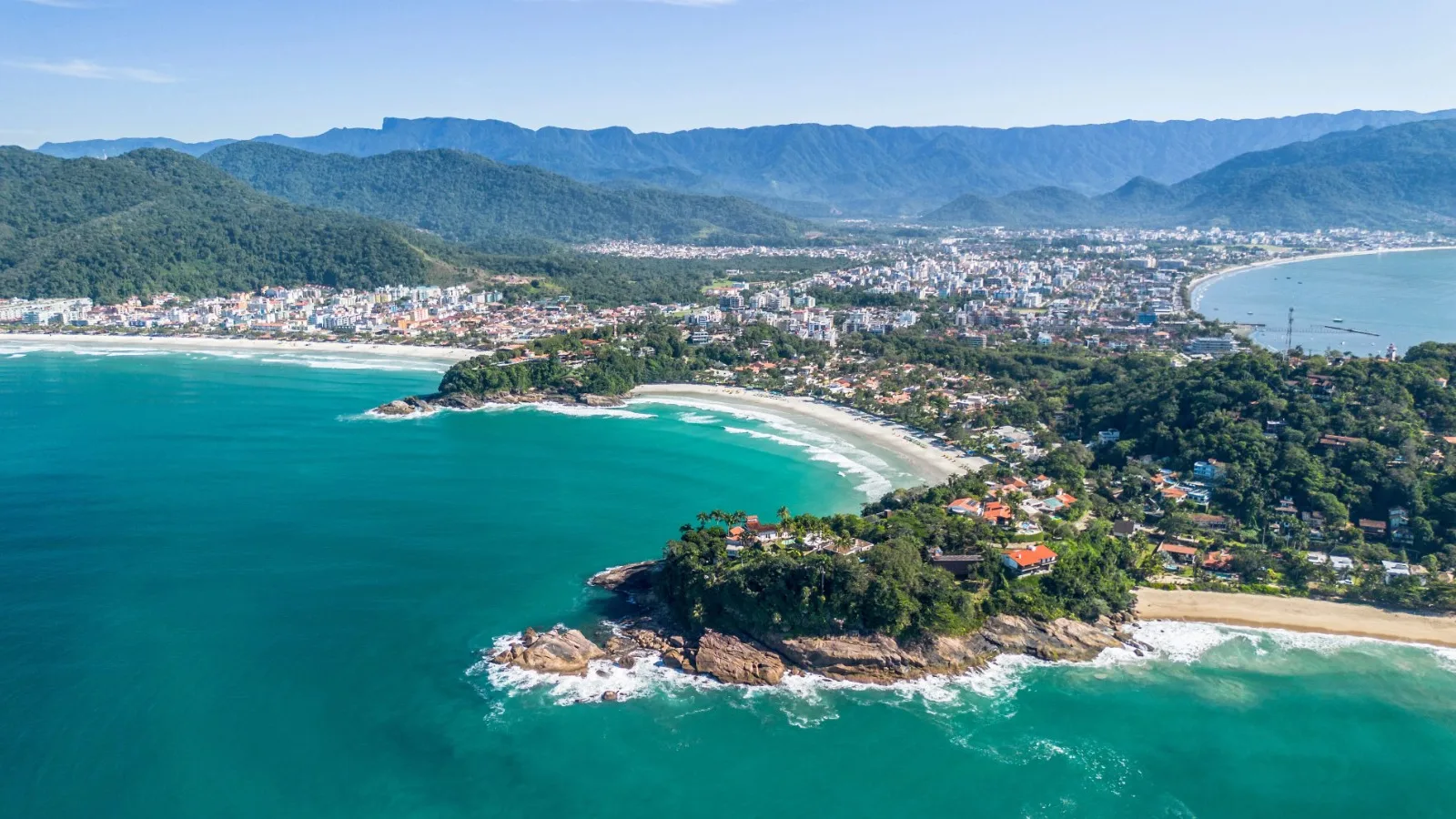
Ubatuba is a long stretch of the São Paulo north coast where the Atlantic rainforest reaches the sand. It has more beaches than any trip can cover, and where yo
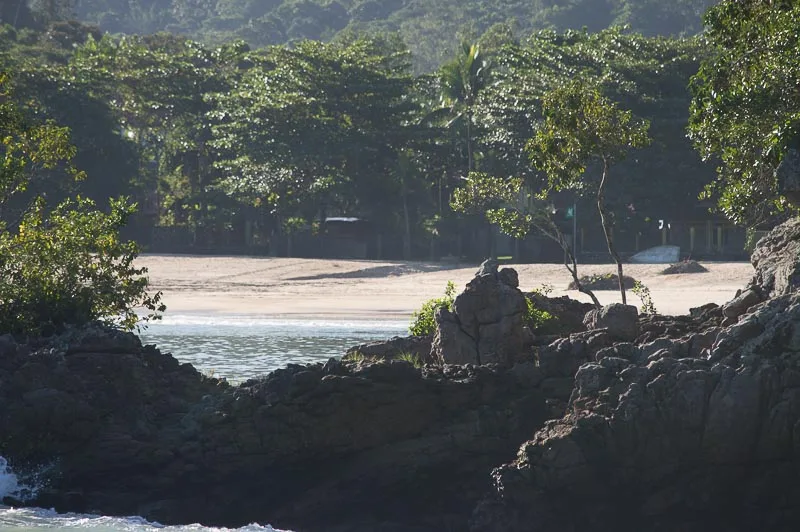
Ubatuba has dozens of beaches along a long, indented coast. They are not interchangeable, and choosing by photograph is how people end up driving an hour to the